Medizinonline Medizinonline
  • News
    • News
    • Market & Medicine
  • Patients
    • Disease patterns
    • Diagnostics
    • Therapy
  • Partner Content
    • Diabetes
      • Dia-Month Club – Type 2 Diabetes
      • Diabetes in Motion
      • Diabetes Podcasts
    • Gastroenterology
      • IBD matters
    • Oncology
      • Swiss Oncology in motion
    • Orthopedics
      • Osteoporosis in motion
  • Departments
    • Allergology and clinical immunology
    • General Internal Medicine
    • Anesthesiology
    • Angiology
    • Surgery
    • Dermatology and venereology
    • Endocrinology and Diabetology
    • Nutrition
    • Gastroenterology and Hepatology
    • Genetics
    • Geriatrics
    • Gynecology
    • Hematology
    • Infectiology
    • Cardiology
    • Nephrology
    • Neurology
    • Emergency and intensive care medicine
    • Nuclear Medicine
    • Oncology
    • Ophthalmology
    • ORL
    • Orthopedics
    • Pediatrics
    • Pharmacology and toxicology
    • Pharmaceutical medicine
    • Phlebology
    • Physical medicine and rehabilitation
    • Pneumology
    • Prevention and health care
    • Psychiatry and psychotherapy
    • Radiology
    • Forensic Medicine
    • Rheumatology
    • Sports Medicine
    • Traumatology and trauma surgery
    • Tropical and travel medicine
    • Urology
    • Dentistry
  • CME & Congresses
    • CME continuing education
    • Congress Reports
    • Congress calendar
  • Practice
    • Noctimed
    • Practice Management
    • Jobs
    • Interviews
  • Log In
  • Register
  • My account
  • Contact
  • Publications
  • Contact
  • Deutsch
  • English
  • Français
  • Italiano
  • Português
  • Español
Subscribe
Medizinonline Medizinonline
  • News
    • News
    • Market & Medicine
  • Patienten
    • Krankheitsbilder
    • Diagnostik
    • Therapie
  • Partner Content
    • Diabetes
      • Dia-Month Club – Type 2 Diabetes
      • Diabetes in Motion
      • Diabetes Podcasts
    • Gastroenterology
      • IBD matters
    • Oncology
      • Swiss Oncology in motion
    • Orthopedics
      • Osteoporosis in motion
    • Phytotherapie
    • Rheumatology
  • Departments
    • Fachbereiche 1-13
      • Allergology and clinical immunology
      • General Internal Medicine
      • Anesthesiology
      • Angiology
      • Surgery
      • Dermatology and venereology
      • Endocrinology and Diabetology
      • Nutrition
      • Gastroenterology and Hepatology
      • Genetics
      • Geriatrics
      • Gynecology
      • Hematology
    • Fachbereiche 14-26
      • Infectiology
      • Cardiology
      • Nephrology
      • Neurology
      • Emergency and intensive care medicine
      • Nuclear Medicine
      • Oncology
      • Ophthalmology
      • ORL
      • Orthopedics
      • Pediatrics
      • Pharmacology and toxicology
      • Pharmaceutical medicine
    • Fachbereiche 26-38
      • Phlebology
      • Physical medicine and rehabilitation
      • Phytotherapy
      • Pneumology
      • Prevention and health care
      • Psychiatry and psychotherapy
      • Radiology
      • Forensic Medicine
      • Rheumatology
      • Sports Medicine
      • Traumatology and trauma surgery
      • Tropical and travel medicine
      • Urology
      • Dentistry
  • CME & Congresses
    • CME continuing education
    • Congress Reports
    • Congress calendar
  • Practice
    • Noctimed
    • Practice Management
    • Jobs
    • Interviews
Login

Sie haben noch keinen Account? Registrieren

  • Journal Club

Atopic dermatitis and the skin microbiome: new study findings

    • Allergology and clinical immunology
    • Dermatology and venereology
    • Education
    • Infectiology
    • RX
    • Studies
  • 3 minute read

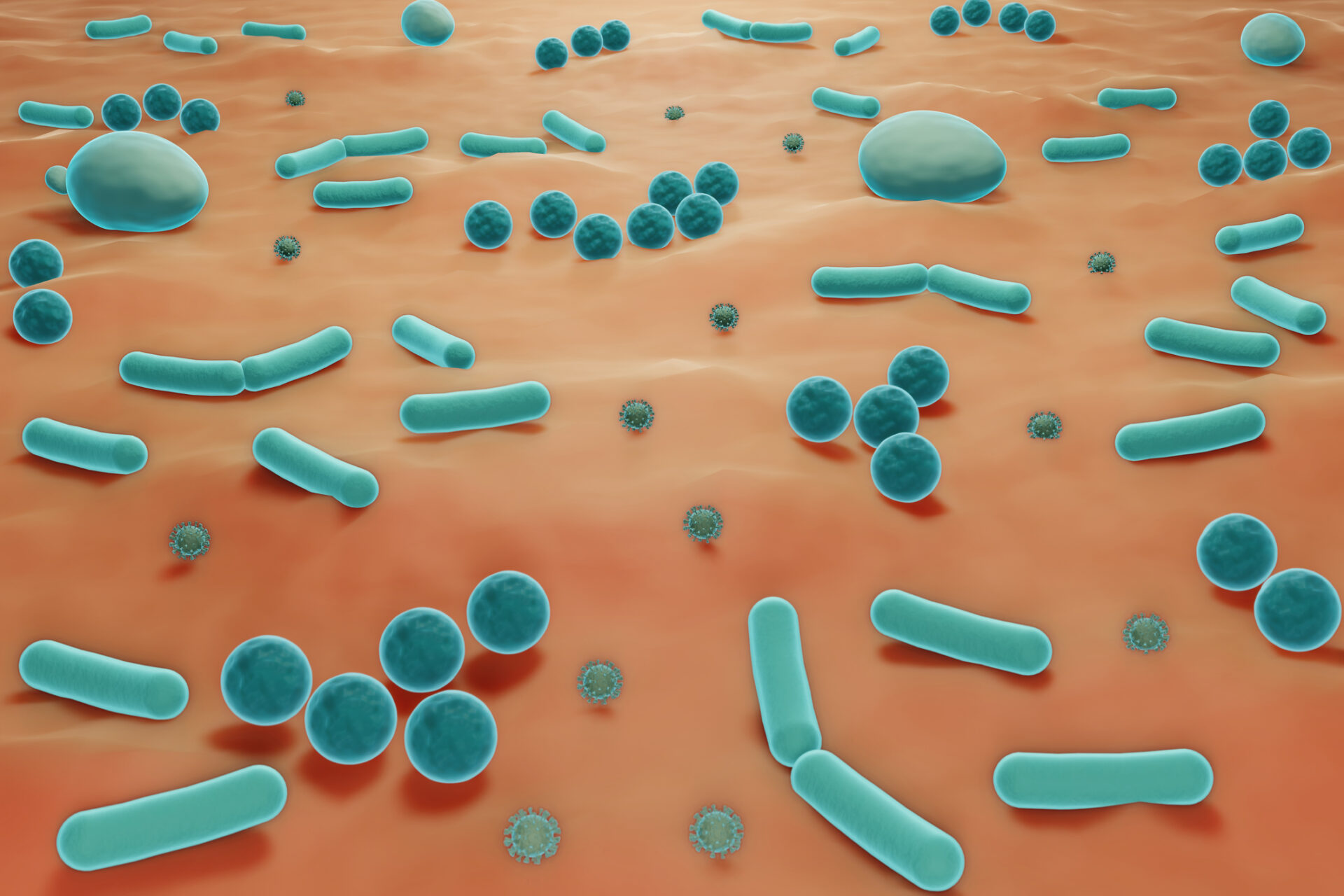
Exploring the links between the cutaneous microbiome and the severity of atopic dermatitis (AD) and patient-related co-factors is an important aspect in the development of new personalized AD therapies, especially those targeting the skin microbiome. With this in mind, an international research team launched an interesting study that was published in JEADV in 2023.

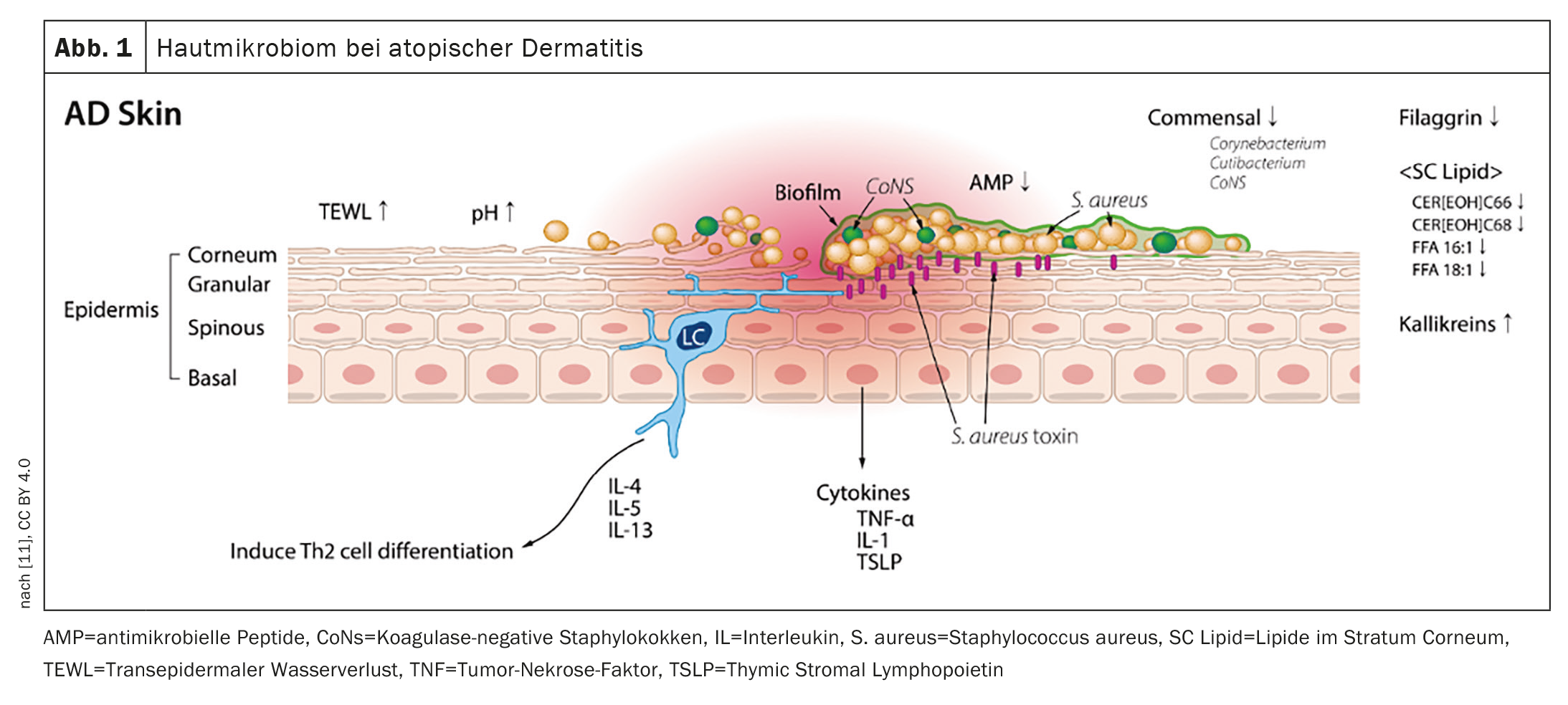
Atopic dermatitis (AD) is characterized by polymorphic eczematous lesions with intense, persistent itching [1–3,10]. The etiology is complex and not yet fully understood. A variety of genetic and environmental factors play a role in the pathogenesis. These include dysregulated proinflammatory immune reactions and an impaired epidermal barrier due to filaggrin mutations [4,5]. In addition, empirical studies indicate that AD is associated with a dysbiosis of the skin microbiome [6].

Molecular biological analysis of the cutaneous microbiome

In summary of previous findings, it can be stated that the cutaneous microbiome of AD patients is characterized by reduced microbial diversity and an altered composition compared to skin-healthy individuals [6]. There is evidence that increased colonization with Staphylococcus aureus (S. aureus) reduces the diversity of the cutaneous microbiota in the area of AD predilection sites and that AD severity is associated with the skin microbiome [7–9,10]. To find out more, an international research team launched a study in which the skin microbiome of 48 adults with moderate to severe AD was analyzed using next generation sequencing (16S rRNA gene amplicon** sequencing) [9].

** Amplicons” are the selectively amplified DNA fragments
Conclusion: AD severity and microbial diversity are associated

The evaluations showed that in lesional skin, the severity of AD is positively associated with the relative frequency of S. aureus (r=0.53$, p<0.001) and that there is a negative correlation with the “evenness”, i.e. an equal distribution of different bacterial species (r= -0.58, p<0.001) [9]. Multiple regression confirmed the association between AD severity and microbiome diversity, including Shannon index& (in lesional skin, p<0.001), evenness (in non-lesional skin, p=0.015) and relative abundance of S. aureus (p <0.012). These results are consistent with previous study findings and provide valuable additional insights. For example, the reduced “evenness” is mainly due to the relative abundance of S. aureus and less to a reduced “richness” (number of bacterial genera/species) of the microbiome. Furthermore, the severity of AD was associated with the patients’ IgE levels (p<0.001), age (p<0.034) and gender (p=0.012).

$ r=correlation coefficient (Spearman’s rank correlation coefficient)
& Shannon index = Diversity index according to Shannon


Literature:

  1. Weidinger S, et al: Nature Rev Dis Primers 2018; 4(1): 1.
  2. Sroka-Tomaszewska J, Trzeciak M: Int J Mol Sci 2021; 22(8): 4130.
  3. Wasserbauer N, Ballow M: Am J Med 2009; 122(2): 121-125.
  4. Guttman-Yassky E, et al: Semin Cutan Med Surg 2017; 36(3): 100-103.
  5. Sacotte R, Silverberg JI: Clin Dermatol. 2018; 36(5): 595-605.
  6. Paller AS, et al: J Allergy Clin Immunol 2019; 143(1): 26-35.
  7. Nakatsuji T, et al: Sci Transl Med 2017; 9(378).
  8. Kong HH, et al: Genome Res 2012; 22(5): 850-859.
  9. Rauer L, et al: JEADV 2023; 37(4): 772-782.
  10. Deng T, et al: Clin Cosmet Investig Dermatol 2023; 16: 2153-2173.
  11. Kim JE, Kim HS: Microbiome of the Skin and Gut in Atopic Dermatitis (AD): Understanding the Pathophysiology and Finding Novel Management Strategies. Journal of Clinical Medicine 2019; 8(4): 444. www.mdpi.com/2077-0383/8/4/444#,(last accessed 17.10.2023).

DERMATOLOGY PRACTICE 2023; 33(5): 19
Autoren
  • Mirjam Peter, M.Sc.
Publikation
  • DERMATOLOGIE PRAXIS
Related Topics
  • Atopic dermatitis
  • JEADV
  • microbial diversity
  • Rauer et al
  • S. aureus
  • skin microbiome
Previous Article
  • AID systems for type 1 diabetes

New real-world data shows: AI makes the difference

  • Congress Reports
  • Endocrinology and Diabetology
  • Prevention and health care
  • RX
  • Studies
View Post
Next Article
  • IBD and exposure to altitude

Don’t fly so high, sick patient

  • Congress Reports
  • Gastroenterology and Hepatology
  • General Internal Medicine
  • RX
  • Studies
View Post
You May Also Like
View Post
  • 6 min
  • Preclinical study on phytotherapeutic agent

Active ingredient combination of peppermint and caraway oil modified fecal microbiota

    • RX
    • Education
    • Gastroenterology and Hepatology
    • General Internal Medicine
    • Pharmaceutical medicine
    • Phytotherapy
    • Studies
View Post
  • 4 min
  • Casuistry

Rituximab used effectively against IgG4-RD colitis

    • RX
    • Cases
    • Education
    • Gastroenterology and Hepatology
    • General Internal Medicine
    • Radiology
    • Rheumatology
View Post
  • 5 min
  • Sarcoidosis

New options from JAKi to mTOR

    • RX
    • Congress Reports
    • General Internal Medicine
    • Pneumology
    • Studies
View Post
  • 6 min
  • Head and neck squamous cell carcinoma

Precision immunotherapy and local treatment

    • RX
    • Congress Reports
    • Dermatology and venereology
    • Oncology
    • ORL
    • Studies
View Post
  • 3 min
  • From symptom to diagnosis

Abdominal pain – Prostate cysts

    • RX
    • Cases
    • Education
    • General Internal Medicine
    • Radiology
    • Surgery
    • Urology
View Post
  • 0 min
  • Multimodal Parkinson's Treatment

Positive Effects of a Music-Based Intervention

    • RX
    • Education
    • Geriatrics
    • Neurology
    • Physical medicine and rehabilitation
    • Psychiatry and psychotherapy
View Post
  • 8 min
  • Psychooncology

Communication as the key to therapy adherence

    • RX
    • CME continuing education
    • General Internal Medicine
    • Practice Management
View Post
  • 9 min
  • Cardiology

Minimally invasive – the quiet triumph of modern heart surgery

    • RX
    • Cardiology
    • CME continuing education
    • Studies
    • Surgery
  • IBD matters

    Zum Thema
Top CME content
  • 1
    Current State of Knowledge and New Therapeutic Approaches
  • 2
    Why is it so hard to lose weight?
  • 3
    Functional limb preservation between infection control, vascular medicine and resurfacing
  • 4
    Algorithms, avatars and the unburdened mind
  • 5
    Communication as the key to therapy adherence

Newsletter

Sign up and stay up to date

Subscribe
Medizinonline Medizinonline
  • Contact
  • General terms and conditions
  • Imprint

Input your search keywords and press Enter.