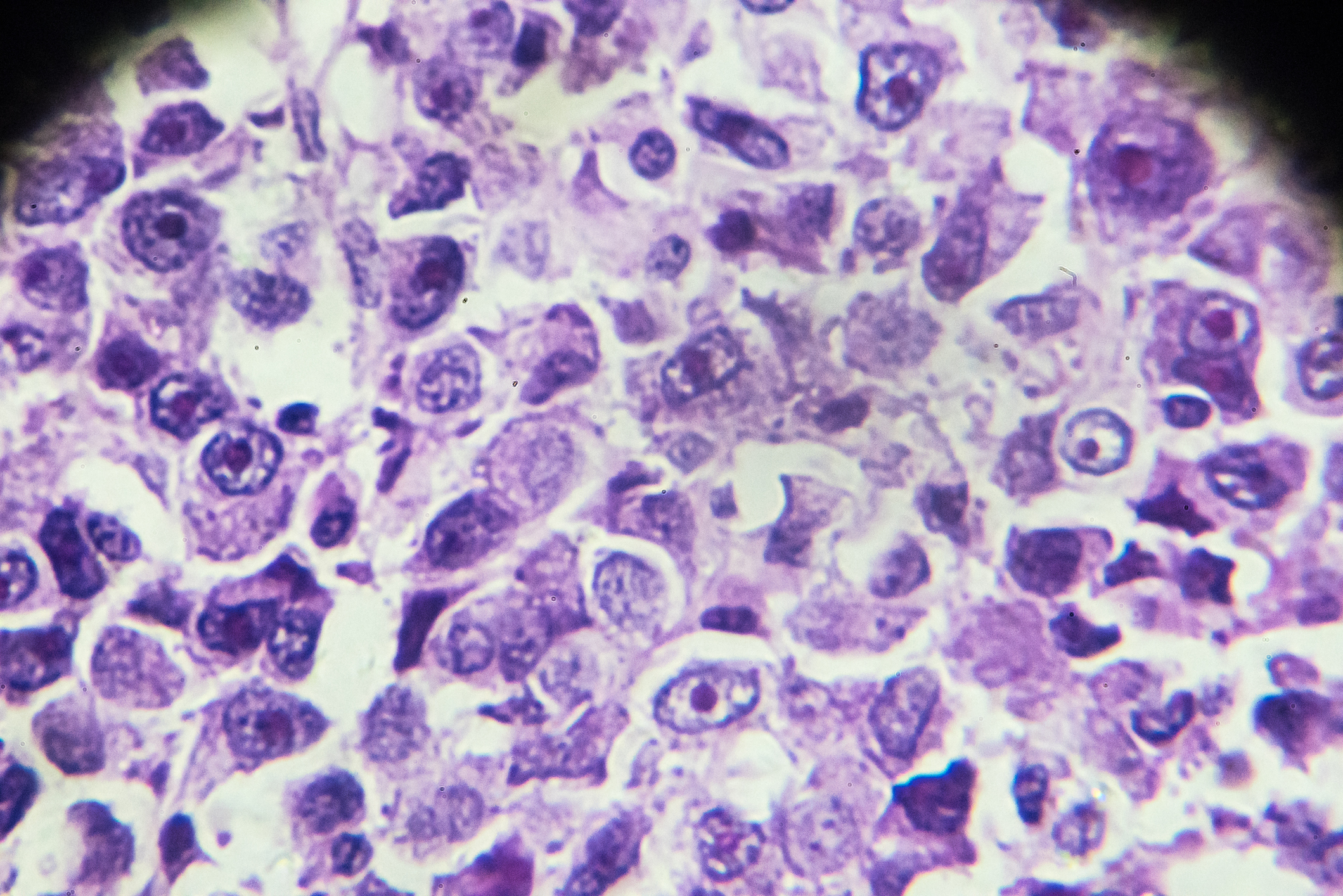
Rare EGFR mutations such as exon 20 insertion changes have long been considered a therapeutic dead end in non-small cell lung cancer (NSCLC). Current data show that innovative mechanisms of action also open up clinically relevant options in NSCLC. Highly sensitive molecular diagnostics and new antibody formats are now bringing this patient group more into the focus of precision oncology.
Autoren
- Dr. oec. Odile Schwarz-Herion
Publikation
- InFo ONKOLOGIE & HÄMATOLOGIE

Related Topics
- Amivantamab
- Amivantamab safety profile
- bispecific EGFR-MET antibody
- C-Helix insertion variants
- CHRYSALIS Study
- CLN-081
- EGFR exon 20 insertion mutation
- EGFR signal transduction
- EGFR-TKI resistance
- Lung cancer
- MAIC analysis
- Mobocertinib
- molecular profiling NGS
- non-small cell lung cancer
- NSCLC
- platinum-based chemotherapy
- Precision Oncology
- Progression-free survival PFS
- rare EGFR mutations
- Sunvozertinib
- Swissmedic authorization Rybrevant
You May Also Like
- Ulcerative colitis: current evidence on anti-inflammatory therapies
Remission induction and maintenance with biologics and JAK-i
- Bronchiectasis
New strategies against neutrophilic inflammation
- IBD in childhood
Pneumococcal vaccination without negative consequences
- Plastic surgery and reconstructive microsurgery for DFS
Functional limb preservation between infection control, vascular medicine and resurfacing
- Seborrheic Dermatitis in Adults and Adolescents
Current State of Knowledge and New Therapeutic Approaches
- Orthobiologics for knee osteoarthritis
PRP and hyaluronic acid injections as building blocks in a multimodal concept
- Soft tissue sarcomas of the lower extremity
Diagnostics, subtypes and treatment options
- Psychological dependence on AI assistants, smartphones and short videos