Medizinonline Medizinonline
  • News
    • News
    • Market & Medicine
  • Patients
    • Disease patterns
    • Diagnostics
    • Therapy
  • Partner Content
    • Dermatology
      • Atopic dermatitis and psoriasis news
    • Diabetes
      • Dia-Month Club – Type 2 Diabetes
      • Diabetes in Motion
      • Diabetes Podcasts
    • Gastroenterology
      • IBD matters
    • Oncology
      • Swiss Oncology in motion
    • Orthopedics
      • Osteoporosis in motion
  • Departments
    • Allergology and clinical immunology
    • General Internal Medicine
    • Anesthesiology
    • Angiology
    • Surgery
    • Dermatology and venereology
    • Endocrinology and Diabetology
    • Nutrition
    • Gastroenterology and Hepatology
    • Genetics
    • Geriatrics
    • Gynecology
    • Hematology
    • Infectiology
    • Cardiology
    • Nephrology
    • Neurology
    • Emergency and intensive care medicine
    • Nuclear Medicine
    • Oncology
    • Ophthalmology
    • ORL
    • Orthopedics
    • Pediatrics
    • Pharmacology and toxicology
    • Pharmaceutical medicine
    • Phlebology
    • Physical medicine and rehabilitation
    • Pneumology
    • Prevention and health care
    • Psychiatry and psychotherapy
    • Radiology
    • Forensic Medicine
    • Rheumatology
    • Sports Medicine
    • Traumatology and trauma surgery
    • Tropical and travel medicine
    • Urology
    • Dentistry
  • CME & Congresses
    • CME continuing education
    • Congress Reports
    • Congress calendar
  • Practice
    • Noctimed
    • Practice Management
    • Jobs
    • Interviews
  • Log In
  • Register
  • My account
  • Contact
  • Publications
  • Contact
  • Deutsch
  • English
  • Français
  • Italiano
  • Português
  • Español
Subscribe
Medizinonline Medizinonline
  • News
    • News
    • Market & Medicine
  • Patienten
    • Krankheitsbilder
    • Diagnostik
    • Therapie
  • Partner Content
    • Dermatology
      • Atopic dermatitis and psoriasis news
    • Diabetes
      • Dia-Month Club – Type 2 Diabetes
      • Diabetes in Motion
      • Diabetes Podcasts
    • Gastroenterology
      • IBD matters
    • Oncology
      • Swiss Oncology in motion
    • Orthopedics
      • Osteoporosis in motion
    • Phytotherapie
    • Rheumatology
  • Departments
    • Fachbereiche 1-13
      • Allergology and clinical immunology
      • General Internal Medicine
      • Anesthesiology
      • Angiology
      • Surgery
      • Dermatology and venereology
      • Endocrinology and Diabetology
      • Nutrition
      • Gastroenterology and Hepatology
      • Genetics
      • Geriatrics
      • Gynecology
      • Hematology
    • Fachbereiche 14-26
      • Infectiology
      • Cardiology
      • Nephrology
      • Neurology
      • Emergency and intensive care medicine
      • Nuclear Medicine
      • Oncology
      • Ophthalmology
      • ORL
      • Orthopedics
      • Pediatrics
      • Pharmacology and toxicology
      • Pharmaceutical medicine
    • Fachbereiche 26-38
      • Phlebology
      • Physical medicine and rehabilitation
      • Phytotherapy
      • Pneumology
      • Prevention and health care
      • Psychiatry and psychotherapy
      • Radiology
      • Forensic Medicine
      • Rheumatology
      • Sports Medicine
      • Traumatology and trauma surgery
      • Tropical and travel medicine
      • Urology
      • Dentistry
  • CME & Congresses
    • CME continuing education
    • Congress Reports
    • Congress calendar
  • Practice
    • Noctimed
    • Practice Management
    • Jobs
    • Interviews
Login

Sie haben noch keinen Account? Registrieren

  • Editorial

Chronic pain

    • Education
    • Psychiatry and psychotherapy
    • RX
  • 3 minute read

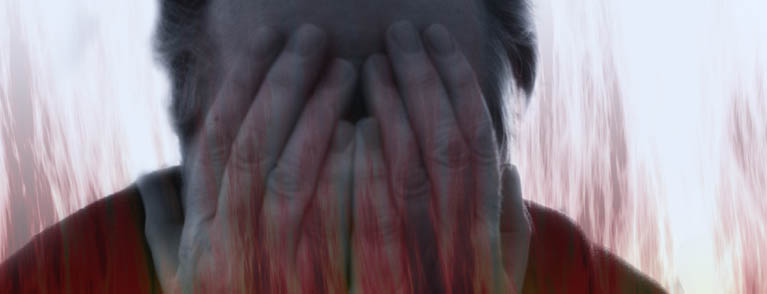
Increasingly, the realization is maturing that chronic pain management is not a field of work for lone wolves. Chronic pain, with its often long history, represents complex problems at multiple levels that not only transcend the realm of a single, medical specialty, but also have both causes and effects at the psychological and social levels. For this reason, the identification of the problem alone requires specialists from different fields. Consequently, the treatment follows different therapeutic principles than a purely monodisciplinary, specialist or general practitioner treatment. Increasingly, the realization is maturing that the treatment of chronic pain is not a field of work for lone warriors. Chronic pain, with its often long history, represents complex problems at multiple levels that not only transcend the realm of a single, medical specialty, but also have both causes and effects at the psychological and social levels. For this reason, the identification of the problem alone requires specialists from different fields. Consequently, the treatment follows different therapeutic principles than a purely monodisciplinary, specialist or general practitioner treatment. 

Important principles of behavioral medicine run like a thread through all forms of therapy. In this issue, you will read various articles presenting special aspects from the large spectrum of pain medicine. Although rheumatic pain by its very nature is permanent and affected patients are chronically ill, thanks to good, rheumatological treatment they often suffer less from the pain than, for example, fibromyalgia patients, in whom no cause for the extensive pain can be found, in whom no objectifiable disabilities are present and who can nevertheless, through the symptom of pain alone, be almost disabled. Using the example of chronic, non-specific back pain, Tim Reck, MD, presents the approach to chronic pain problems and interdisciplinary, multimodal management as an effective and promising form of treatment. The evidence for such an approach has now been documented in many scientific publications.

The complex issue of qualified movement therapy and the pitfalls therein is elaborated by André Pirlet in his article. Pain patients in particular oscillate between inactivity and overtaxing themselves, thereby moving in a downward spiral as far as their physical performance is concerned. This needs to be improved. Behavioral changes are difficult to implement, as everyone knows from their own experience. That’s why patients here need close, qualified support in building up their training.

In his article, Gunther Landmann, MD, discusses a special case of chronic pain, pain in paraplegic patients. As exotic as this group of patients may seem at first glance in the practice of family physicians, dealing with the specific problems also shows exemplary parallels to other forms of pain. The paraplegic patient unfortunately often combines many problems and therefore means a great challenge for the therapeutic team. A clear and structured approach is therefore all the more important here.

It is also well known that chronic pain is a major cost factor due to the multitude of diagnostic workups and unsuccessful sequential, often monomodal therapies. This is why the interface at the transition from acute to chronic pain is so significant. At this point, expansion should take place with the inclusion of diagnostic and therapeutic options; at this moment, the patient’s care should not be provided by a physician or therapist alone, but by an interdisciplinary team. If we succeed in recognizing the need for such a change in patient care and become aware of it in our daily lives, perhaps with the help of appropriate screening tools, we can improve patients’ chances of success for effective pain management and save a lot of money in the process. A more cost-effective and at the same time improved supply would be the result. So it’s worth addressing the complexity of chronic pain.

With this in mind, I wish you an interesting read.

Wolfgang Schleinzer, MD

Publikation
  • HAUSARZT PRAXIS
Related Topics
  • chronic pain
  • harmful stimuli
  • Noziception
  • Pain
  • Pain behavior
Previous Article
  • To the point

Institutionalized distrust – a prerequisite for certification!

  • News
  • Prevention and health care
  • RX
View Post
Next Article
  • Therapy of chronic non-specific back pain

You can only reach your destination multimodally

  • Education
  • Orthopedics
  • Psychiatry and psychotherapy
  • RX
View Post
You May Also Like
View Post
  • 14 min
  • Adrenogenital syndrome

Clinical care from birth to adulthood

    • CME continuing education
    • Endocrinology and Diabetology
    • Nephrology
    • Pediatrics
    • RX
    • Studies
View Post
  • 14 min
  • New approvals, current study data and ADC development

Antibody-drug conjugates in gynecologic oncology

    • Education
    • Gynecology
    • Oncology
    • RX
    • Studies
View Post
  • 5 min
  • From symptom to diagnosis

Pneumology – Covid-19: a review

    • Cases
    • Education
    • Infectiology
    • Pneumology
    • Prevention and health care
    • Radiology
    • RX
View Post
  • 6 min
  • Abdominal aortic aneurysms in primary care

Risk-stratified screening and prophylaxis

    • Angiology
    • Congress Reports
    • Prevention and health care
    • Radiology
    • RX
    • Studies
    • Surgery
View Post
  • 0 min
  • Plastic surgery and reconstructive microsurgery for DFS

Functional limb preservation between infection control, vascular medicine and resurfacing

    • Angiology
    • CME continuing education
    • Endocrinology and Diabetology
    • General Internal Medicine
    • Geriatrics
    • Physical medicine and rehabilitation
    • RX
    • Surgery
View Post
  • 9 min
  • Cardiology

Minimally invasive – the quiet triumph of modern heart surgery

    • Cardiology
    • CME continuing education
    • RX
    • Studies
    • Surgery
View Post
  • 6 min
  • Age-related neurocognitive disorders

Neuroprotective effects of Ginkgo biloba extract

    • Education
    • Geriatrics
    • Neurology
    • Pharmaceutical medicine
    • Phytotherapy
    • RX
    • Studies
View Post
  • 6 min
    • Education
    • Endocrinology and Diabetology
    • Pneumology
    • Psychiatry and psychotherapy
    • RX
    • Studies

How origin and place of residence promote CF-associated diabetes

  • IBD matters

    Zum Thema
Top CME content
  • 1
    Functional limb preservation between infection control, vascular medicine and resurfacing
  • 2
    Minimally invasive – the quiet triumph of modern heart surgery
  • 3
    HPV prevention, screening innovation and sentinel lymph node biopsy
  • 4
    Clinical care from birth to adulthood
  • 5
    Multidisciplinary teams in oncology

Newsletter

Sign up and stay up to date

Subscribe
Medizinonline Medizinonline
  • Contact
  • General terms and conditions
  • Imprint

Input your search keywords and press Enter.