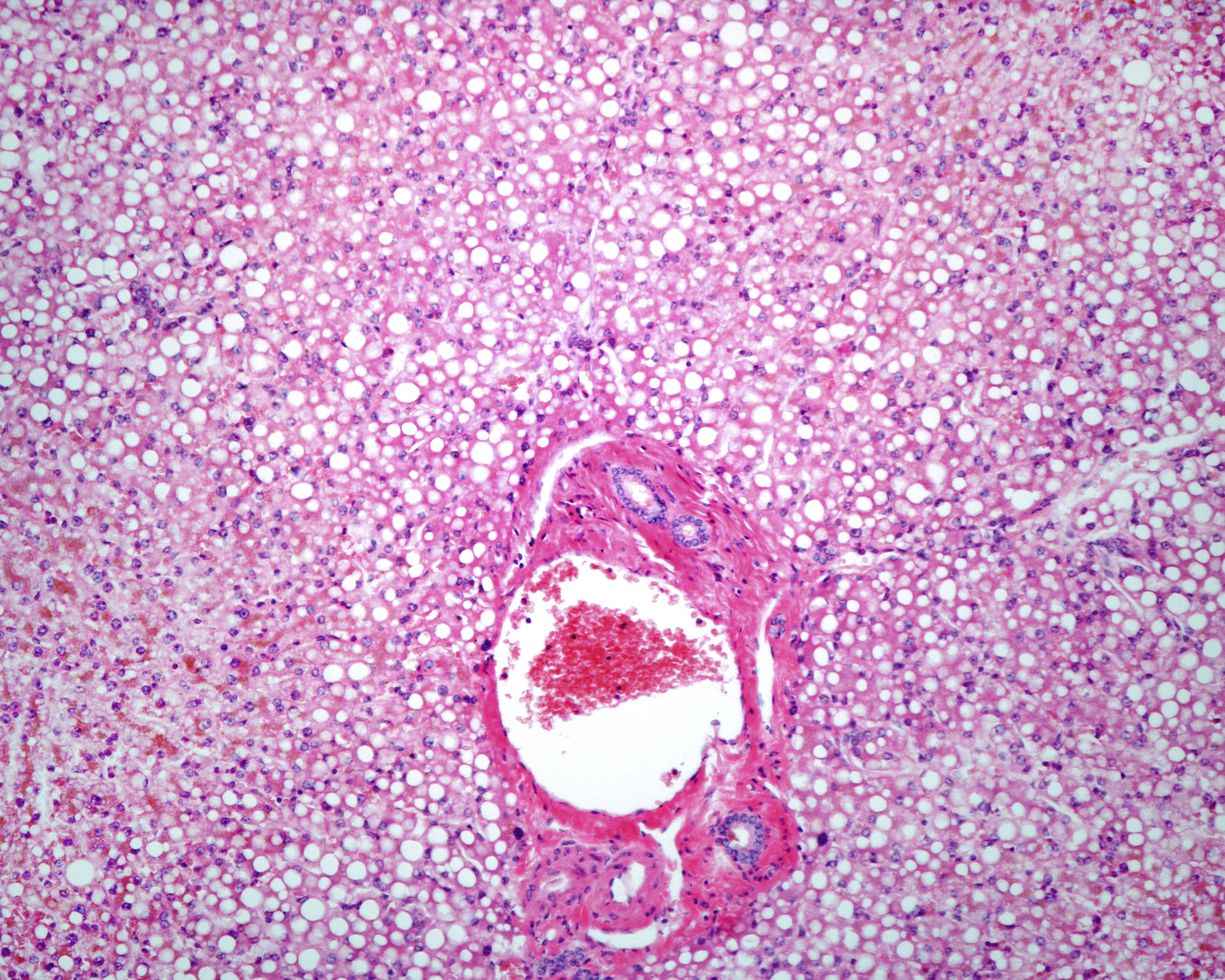
Over the last few decades, the incidence of steatotic liver disease has risen in parallel with the increase in obesity, diabetes and other metabolic diseases. It is recommended to screen patients at risk in a targeted manner. Significant progress has been made in the recent past. Recent studies have identified subtypes of MASLD with different cardiovascular risk profiles. In the field of drug therapy for MASH, an important breakthrough has been achieved with the FDA and EMA approval of resmetirome. However, the data situation for subcutaneously administered semaglutide is also promising, as current interim analyses show.
Autoren
- Mirjam Peter, M.Sc.
Publikation
- HAUSARZT PRAXIS

Related Topics
You May Also Like
- Ataxias
Friedreich’s ataxia: when the energy metabolism attacks the nervous system
- Risk of osteoporosis in autoimmune liver diseases
Always determine bone density in PBC, PSC and AIH
- Case report: Complication after type 2 diabetes
Topical corticosteroids lead to ketoacidosis
- NSCLC
Bispecific antibodies for rare EGFR mutations
- Type 2 diabetes - glycemic control and prevention of secondary diseases
Utilizing pleiotropic cardio- and nephroprotective effects of SGLT-2-i and GLP-1-RA
- Subsyndromal anxiety disorders: Family doctor as first point of contact
Practical recommendations for diagnostics and therapy
- Patient-centered rounds in medicine
Aligning care with the patient
- Restless legs syndrome in children