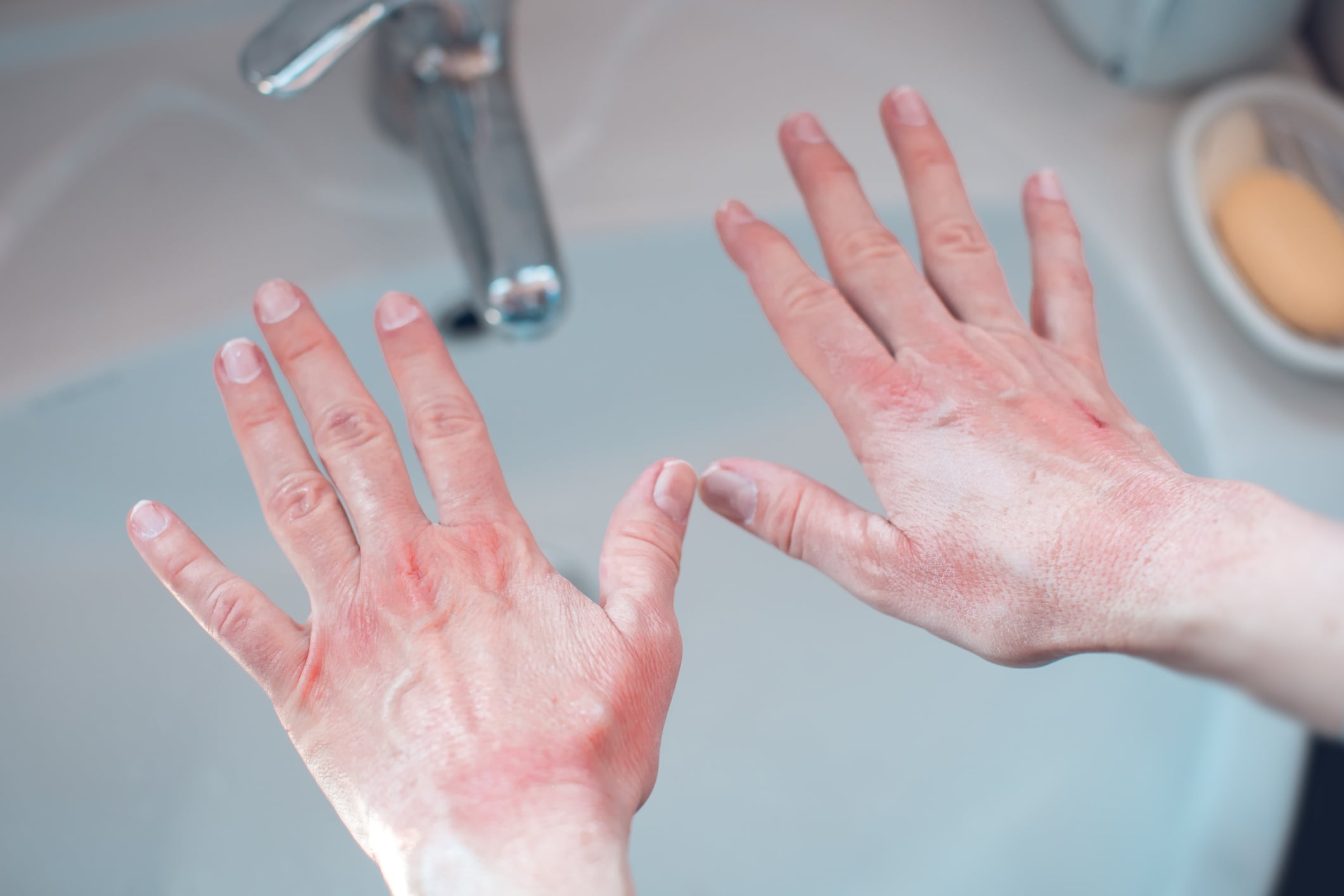
There are various indications in the specialist literature that the gram-negative, non-pathogenic bacterium Vitreoscilla filiformis (V. filiformis) has a beneficial effect on atopic skin. New findings confirm earlier reports of a successful application of this bacterial lysate as part of an “emollients plus” strategy.
Autoren
- Mirjam Peter, M.Sc.
Publikation
- DERMATOLOGIE PRAXIS

Related Topics
You May Also Like
- Polycystic ovary syndrome 2025/2026
New pathophysiology, updated diagnostics and the age of incretin mimetics
- Heart failure and type 2 diabetes
Oral semaglutide and cardiac decompensation in type 2 diabetes
- Atopic dermatitis as a door opener for an atopic cascade?
AD trajectories: Summary of current findings
- New evidence on descensus, urinary incontinence and the future of reconstruction
Urogynecology and pelvic floor surgery 2026
- Proteins in wound healing
Do special amino acids lead to success?
- Case study
Autosomal recessive polycystic kidney disease: atypical phenotype
- Current evidence, risk classes and new counseling options
Hormonal contraception and cardiovascular risk
- Acute otitis media: self-limiting course vs. "red flags"