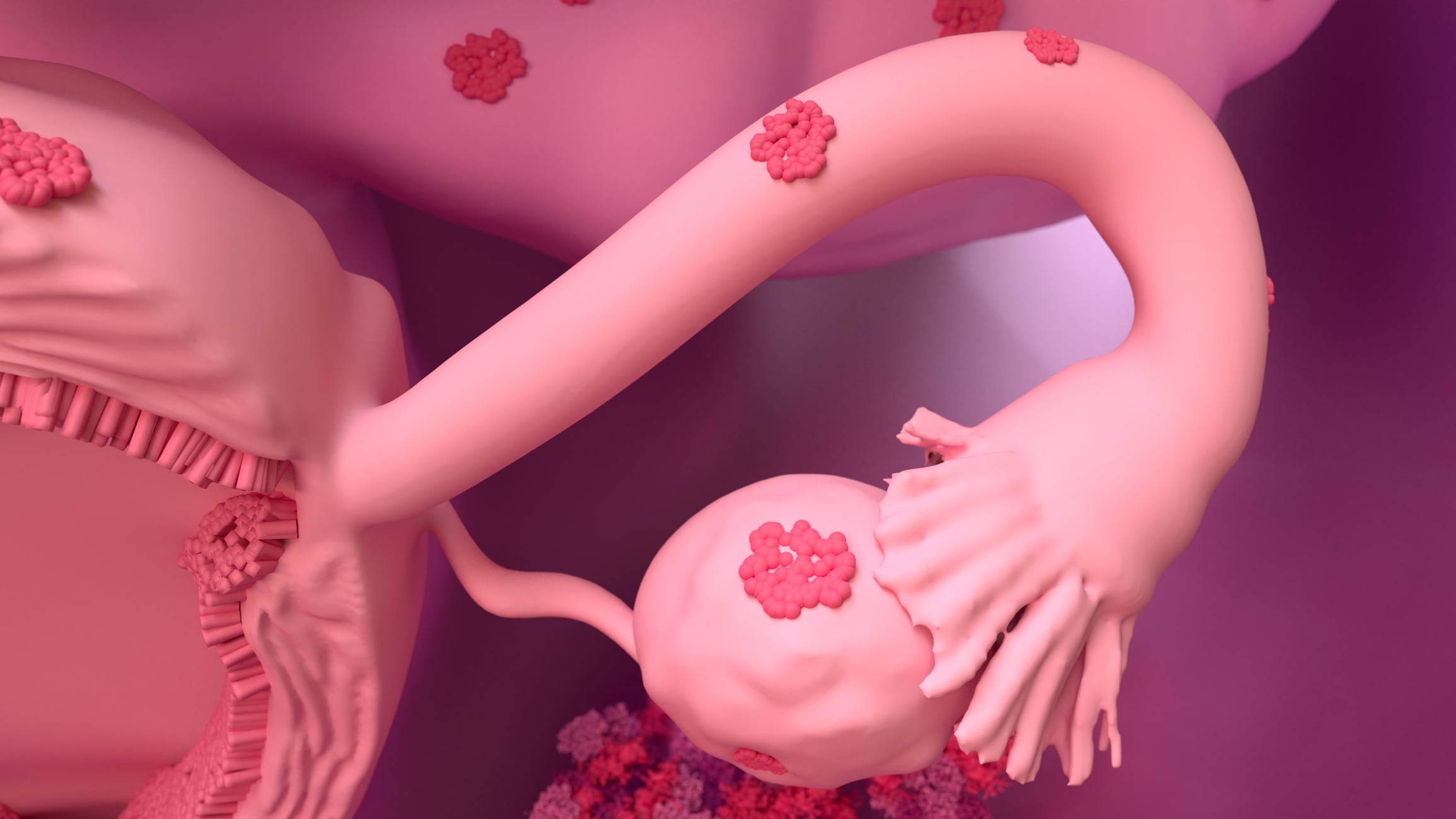
Endometriosis affects an estimated 2-10% of women of reproductive age – the prevalence among infertile women is 25-50%. And yet there is still no clear, standardized treatment pathway for patients who wish to have children. In their current review, Elizur and colleagues from Sheba Medical Center attempt to close this gap with an updated clinical algorithm. The following article outlines the main points of the publication – and classifies them critically: What is really new? Where are the limits of the evidence? And what does this mean in concrete terms for gynecological practice?
Autoren
- Tanja Schliebe
Publikation
- GYNÄKOLOGIE PRAXIS
Related Topics
You May Also Like
- Omaveloxolone for Friedreich's Ataxia
Efficacy and Safety Studied Over 6 Years
- Psoriasis: therapy with biologics and TYK-2-i
Progress assessments based on current long-term and real-world data
- Hypertension: the most important facts for daily practice
Early dual antihypertensive therapy is usually indicated
- Escitalopram for anxiety disorders
Positive effect, but no immediate improvement in symptoms
- Helicobacter pylori infection
Simplified dual therapy beats quadruple regimen
- Gastric carcinoma
Ways of precision oncology
- Endometrial Cancer
Immunological drivers and new therapeutic pathways
- Exercise for type 1 diabetes