Medizinonline Medizinonline
  • News
    • News
    • Market & Medicine
  • Patients
    • Disease patterns
    • Diagnostics
    • Therapy
  • Partner Content
    • Diabetes
      • Dia-Month Club – Type 2 Diabetes
      • Diabetes in Motion
      • Diabetes Podcasts
    • Gastroenterology
      • IBD matters
    • Oncology
      • Swiss Oncology in motion
    • Orthopedics
      • Osteoporosis in motion
  • Departments
    • Allergology and clinical immunology
    • General Internal Medicine
    • Anesthesiology
    • Angiology
    • Surgery
    • Dermatology and venereology
    • Endocrinology and Diabetology
    • Nutrition
    • Gastroenterology and Hepatology
    • Genetics
    • Geriatrics
    • Gynecology
    • Hematology
    • Infectiology
    • Cardiology
    • Nephrology
    • Neurology
    • Emergency and intensive care medicine
    • Nuclear Medicine
    • Oncology
    • Ophthalmology
    • ORL
    • Orthopedics
    • Pediatrics
    • Pharmacology and toxicology
    • Pharmaceutical medicine
    • Phlebology
    • Physical medicine and rehabilitation
    • Pneumology
    • Prevention and health care
    • Psychiatry and psychotherapy
    • Radiology
    • Forensic Medicine
    • Rheumatology
    • Sports Medicine
    • Traumatology and trauma surgery
    • Tropical and travel medicine
    • Urology
    • Dentistry
  • CME & Congresses
    • CME continuing education
    • Congress Reports
    • Congress calendar
  • Practice
    • Noctimed
    • Practice Management
    • Jobs
    • Interviews
  • Log In
  • Register
  • My account
  • Contact
  • Publications
  • Contact
  • Deutsch
  • English
  • Français
  • Italiano
  • Português
  • Español
Subscribe
Medizinonline Medizinonline
  • News
    • News
    • Market & Medicine
  • Patienten
    • Krankheitsbilder
    • Diagnostik
    • Therapie
  • Partner Content
    • Diabetes
      • Dia-Month Club – Type 2 Diabetes
      • Diabetes in Motion
      • Diabetes Podcasts
    • Gastroenterology
      • IBD matters
    • Oncology
      • Swiss Oncology in motion
    • Orthopedics
      • Osteoporosis in motion
    • Phytotherapie
    • Rheumatology
  • Departments
    • Fachbereiche 1-13
      • Allergology and clinical immunology
      • General Internal Medicine
      • Anesthesiology
      • Angiology
      • Surgery
      • Dermatology and venereology
      • Endocrinology and Diabetology
      • Nutrition
      • Gastroenterology and Hepatology
      • Genetics
      • Geriatrics
      • Gynecology
      • Hematology
    • Fachbereiche 14-26
      • Infectiology
      • Cardiology
      • Nephrology
      • Neurology
      • Emergency and intensive care medicine
      • Nuclear Medicine
      • Oncology
      • Ophthalmology
      • ORL
      • Orthopedics
      • Pediatrics
      • Pharmacology and toxicology
      • Pharmaceutical medicine
    • Fachbereiche 26-38
      • Phlebology
      • Physical medicine and rehabilitation
      • Phytotherapy
      • Pneumology
      • Prevention and health care
      • Psychiatry and psychotherapy
      • Radiology
      • Forensic Medicine
      • Rheumatology
      • Sports Medicine
      • Traumatology and trauma surgery
      • Tropical and travel medicine
      • Urology
      • Dentistry
  • CME & Congresses
    • CME continuing education
    • Congress Reports
    • Congress calendar
  • Practice
    • Noctimed
    • Practice Management
    • Jobs
    • Interviews
Login

Sie haben noch keinen Account? Registrieren

  • Obstetrics

First S3 guideline on vaginal delivery at term

    • Gynecology
    • RX
  • 3 minute read

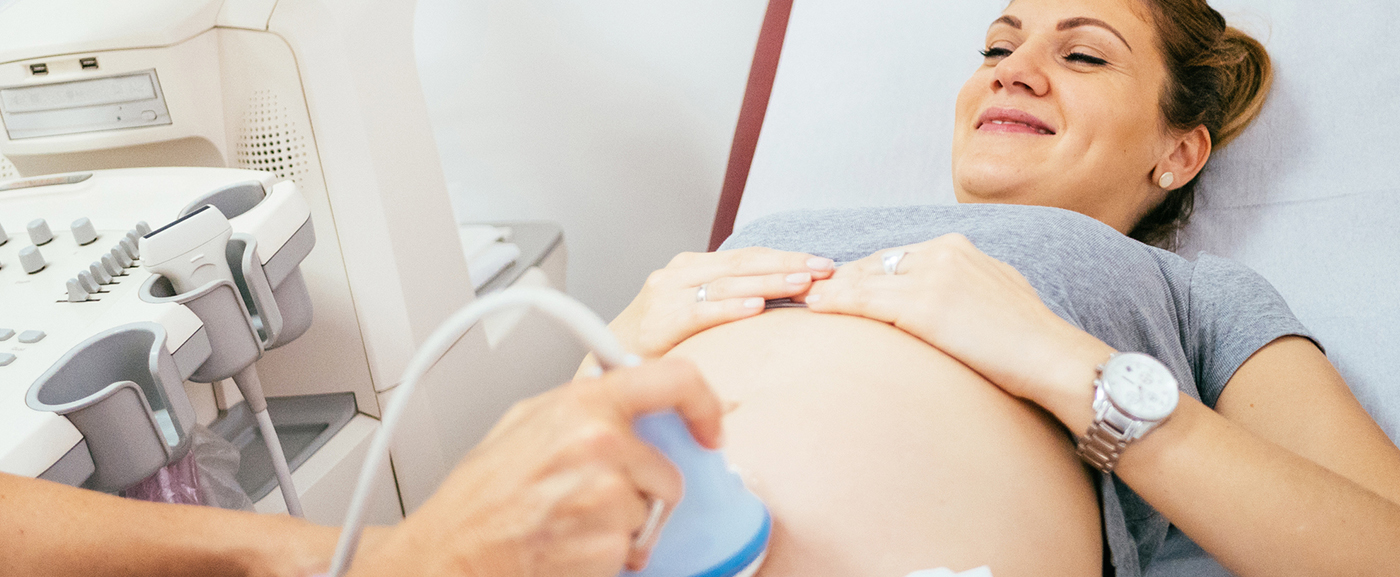
The birth of a human being is undoubtedly one of the key moments in life. In order to be able to care for women in childbirth at a high level, i.e. on the basis of scientific recommendations and with the greatest possible degree of care, the Association of the Scientific Medical Societies in Germany (AWMF) has now published the first S3 guideline on this topic in the German-speaking world.

The birth of a human being is undoubtedly one of the key moments in life. In most cases, these are vaginal term births. By definition, this includes the period 37+0 weeks of gestation (SSW) to 41+6 SSW. As a rule, care is provided by a team of midwives and medical obstetricians. In addition, it may be necessary in individual cases for pediatricians and anesthesiologists to be consulted in order to make this special event safe together in the sense of good obstetric care. 

In order to be able to care for women in childbirth at a high level, i.e. on the basis of scientific recommendations and with the greatest possible degree of care, the Association of the Scientific Medical Societies in Germany (AWMF) has now published the first S3 guideline on this topic in the German-speaking world. The recommendation for action was developed under the auspices of the German Society of Gynecology and Obstetrics (DGGG) and the German Society of Midwifery (DGHWi) with the participation of numerous other professional societies. The recommendations apply to parturients and their children born on term as singletons from the cranial position. “For the first time, a guideline at the highest level of development was initiated here by midwives and physicians and developed together with the federal parents’ initiative Mother Hood e. V.. An important step that will hopefully benefit many mothers and newborns.”
Prof.in Dr.in Rainhild Schäfers, DGHWi Guideline Coordinator

“The aim of this guideline is to summarize the current knowledge about vaginal birth at term,” DGHWi Chair Elke Mattern and DGGG President Prof. Dr. Anton J. Scharl jointly emphasize. The focus is on the description of the physiological birth phases with differentiation from problematic developments. Reasons for or against interventions in the natural birth process are also explained. In the authors’ view, the paper also offers the opportunity to further promote cooperation between the professional groups involved – for the benefit of mother and child. “The guideline is the result of available evidence and a long consensus process. The bottom line is that the condensed knowledge provides the involved professional groups in obstetrics with good orientation for their professional actions.”
Prof. Dr. Michael Abou-Dakn, DGGG Guideline Coordinator

In individual chapters, the authors devote particular attention to care during the various phases of childbirth, as well as to the monitoring, prevention, and treatment of birth injuries, pain management, and quality assurance. Against the backdrop of constant staff shortages, the authors emphasize that childbearing women should receive one-to-one care by a midwife from the active opening phase onward and should not be left alone by obstetric staff in the delivery room, especially in the active exit phase – that is, the peak of childbirth. Immediately after birth, another recommendation is that all nursing and diagnostic measures or medical interventions should be kept to a minimum. This time is particularly important for getting to know each other – known as bonding in technical jargon. This includes, above all, skin-to-skin contact. The umbilical cord should be clamped no sooner than one minute after birth, provided it is not injured and the newborn shows no evidence of abnormal stress. To encourage the onset of breastfeeding, mothers should put the newborn on as early as possible – ideally in the first hour of life.

Source: German Society for Gynecology and Obstetrics e.V.

Previous Article
  • SARS-CoV-2 vaccination for nursing mothers

Potential benefits outweigh safety concerns

  • Gynecology
  • RX
View Post
Next Article
  • Tumor Profiler Study

Detailed profile of tumors

  • Gynecology
  • Oncology
  • RX
  • Studies
View Post
You May Also Like
View Post
  • 4 min
  • From symptom to diagnosis

Multilocular cystic renal cell carcinoma (MCRCC)

    • RX
    • Cases
    • Education
    • Nephrology
    • Oncology
    • Radiology
    • Studies
    • Surgery
View Post
  • 3 min
  • Shaping the Future with LLM & Co.

AI in Everyday Clinical Practice: Friend or Foe?

    • RX
    • General Internal Medicine
    • Practice Management
    • Prevention and health care
View Post
  • 5 min
  • Ulcerative colitis: current evidence on anti-inflammatory therapies

Remission induction and maintenance with biologics and JAK-i

    • RX
    • Congress Reports
    • Gastroenterology and Hepatology
    • General Internal Medicine
    • Studies
View Post
  • 4 min
  • Bronchiectasis

New strategies against neutrophilic inflammation

    • RX
    • Congress Reports
    • General Internal Medicine
    • Infectiology
    • Pneumology
    • Studies
View Post
  • 3 min
  • IBD in childhood

Pneumococcal vaccination without negative consequences

    • RX
    • Education
    • Gastroenterology and Hepatology
    • General Internal Medicine
    • Infectiology
    • Pediatrics
    • Prevention and health care
View Post
  • 14 min
  • Seborrheic Dermatitis in Adults and Adolescents

Current State of Knowledge and New Therapeutic Approaches

    • RX
    • CME continuing education
    • Dermatology and venereology
    • Studies
View Post
  • 7 min
  • Plastic surgery and reconstructive microsurgery for DFS

Functional limb preservation between infection control, vascular medicine and resurfacing

    • RX
    • Angiology
    • CME continuing education
    • Dermatology and venereology
    • Endocrinology and Diabetology
    • General Internal Medicine
    • Geriatrics
    • Physical medicine and rehabilitation
    • Surgery
View Post
  • 7 min
  • Orthobiologics for knee osteoarthritis

PRP and hyaluronic acid injections as building blocks in a multimodal concept

    • RX
    • Congress Reports
    • General Internal Medicine
    • Orthopedics
    • Rheumatology
    • Sports Medicine
    • Studies
    • Surgery
  • IBD matters

    Zum Thema
Top CME content
  • 1
    Current State of Knowledge and New Therapeutic Approaches
  • 2
    Why is it so hard to lose weight?
  • 3
    Functional limb preservation between infection control, vascular medicine and resurfacing
  • 4
    Algorithms, avatars and the unburdened mind
  • 5
    Communication as the key to therapy adherence

Newsletter

Sign up and stay up to date

Subscribe
Medizinonline Medizinonline
  • Contact
  • General terms and conditions
  • Imprint

Input your search keywords and press Enter.