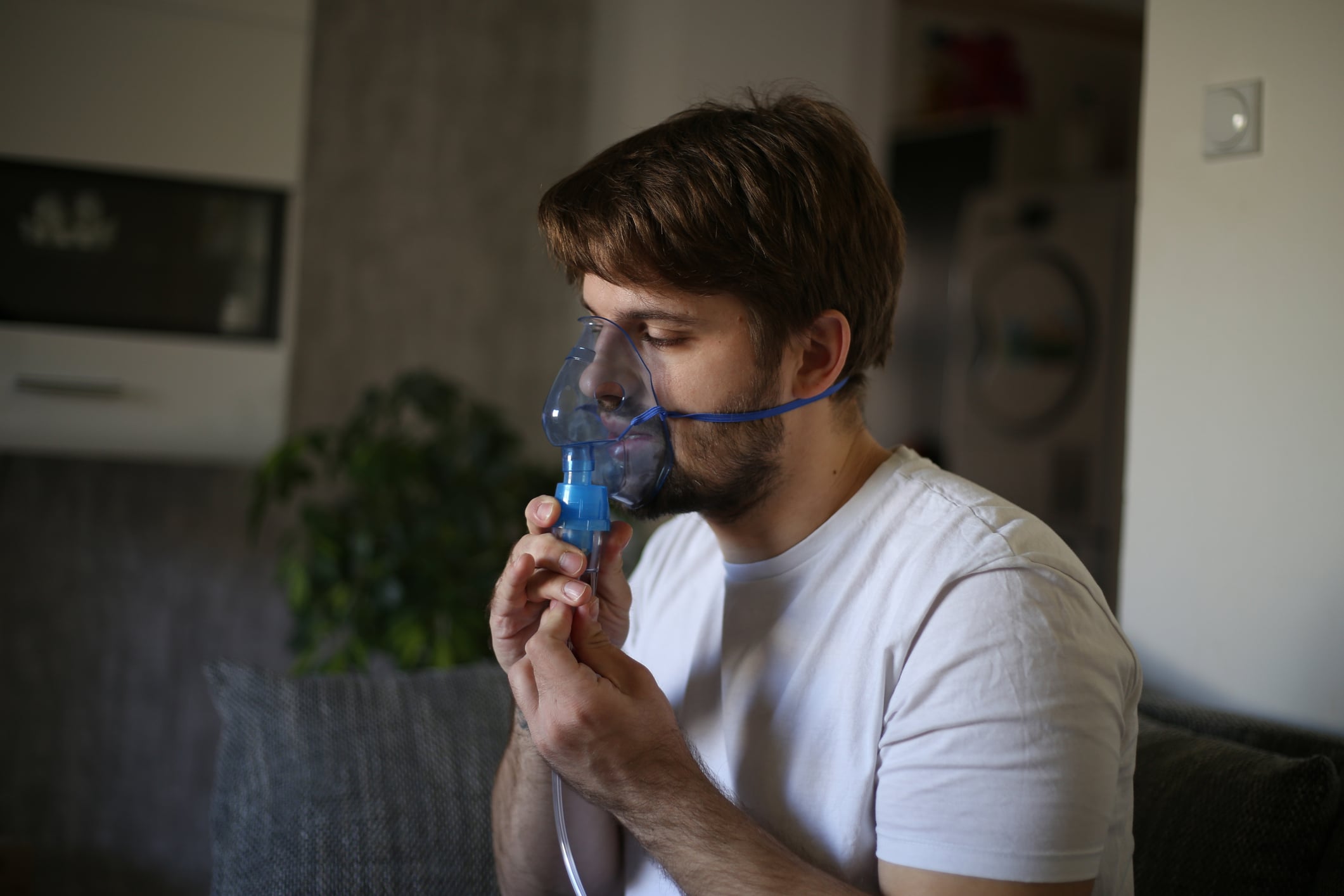
The symptoms of chronic obstructive pulmonary disease (COPD) often develop gradually. Spirometry plays an important role in the diagnosis. Although COPD cannot yet be cured, the implementation of secondary and tertiary prevention strategies makes it possible to achieve better symptom control and an improvement in quality of life. This requires comprehensive disease management, which usually involves several medical specialties.
You May Also Like
- Case Study: Cystic Fibrosis in Adults
Recurrent Pneumonia as a Manifestation of Cystic Fibrosis
- Long COVID/Fatigue Clinic
An Innovative Approach: Neuroplasticity and Predictive Processing
- T-cell lymphomas
Diagnostic Challenges and New Treatment Options
- Interbrain Synchrony
Two Brains, One Thought
- Atopic Dermatitis in Children and Adults
Topically Applied “Small Molecules”: Janus Kinases or PDE-4 as Targets?
- Dermatomyositis
Glucocorticoids for more than one year
- Diabetic Polyneuropathy
Clinical Presentation, Diagnosis, and Treatment of DSPN
- The Brain and the Motivation to Eat