Medizinonline Medizinonline
  • News
    • News
    • Market & Medicine
  • Patients
    • Disease patterns
    • Diagnostics
    • Therapy
  • Partner Content
    • Diabetes
      • Dia-Month Club – Type 2 Diabetes
      • Diabetes in Motion
    • Gastroenterology
      • IBD matters
    • Oncology
      • Swiss Oncology in motion
    • Orthopedics
      • Osteoporosis in motion
  • Departments
    • Allergology and clinical immunology
    • General Internal Medicine
    • Anesthesiology
    • Angiology
    • Surgery
    • Dermatology and venereology
    • Endocrinology and Diabetology
    • Nutrition
    • Gastroenterology and Hepatology
    • Genetics
    • Geriatrics
    • Gynecology
    • Hematology
    • Infectiology
    • Cardiology
    • Nephrology
    • Neurology
    • Emergency and intensive care medicine
    • Nuclear Medicine
    • Oncology
    • Ophthalmology
    • ORL
    • Orthopedics
    • Pediatrics
    • Pharmacology and toxicology
    • Pharmaceutical medicine
    • Phlebology
    • Physical medicine and rehabilitation
    • Pneumology
    • Prevention and health care
    • Psychiatry and psychotherapy
    • Radiology
    • Forensic Medicine
    • Rheumatology
    • Sports Medicine
    • Traumatology and trauma surgery
    • Tropical and travel medicine
    • Urology
    • Dentistry
  • CME & Congresses
    • CME continuing education
    • Congress Reports
    • Congress calendar
  • Practice
    • Noctimed
    • Practice Management
    • Jobs
    • Interviews
  • Log In
  • Register
  • My account
  • Contact
  • Publications
  • Contact
  • Deutsch
  • English
  • Français
  • Italiano
  • Português
  • Español
Subscribe
Medizinonline Medizinonline
  • News
    • News
    • Market & Medicine
  • Patienten
    • Krankheitsbilder
    • Diagnostik
    • Therapie
  • Partner Content
    • Diabetes
      • Dia-Month Club – Type 2 Diabetes
      • Diabetes in Motion
    • Gastroenterology
      • IBD matters
    • Oncology
      • Swiss Oncology in motion
    • Orthopedics
      • Osteoporosis in motion
    • Phytotherapie
    • Rheumatology
  • Departments
    • Fachbereiche 1-13
      • Allergology and clinical immunology
      • General Internal Medicine
      • Anesthesiology
      • Angiology
      • Surgery
      • Dermatology and venereology
      • Endocrinology and Diabetology
      • Nutrition
      • Gastroenterology and Hepatology
      • Genetics
      • Geriatrics
      • Gynecology
      • Hematology
    • Fachbereiche 14-26
      • Infectiology
      • Cardiology
      • Nephrology
      • Neurology
      • Emergency and intensive care medicine
      • Nuclear Medicine
      • Oncology
      • Ophthalmology
      • ORL
      • Orthopedics
      • Pediatrics
      • Pharmacology and toxicology
      • Pharmaceutical medicine
    • Fachbereiche 26-38
      • Phlebology
      • Physical medicine and rehabilitation
      • Phytotherapy
      • Pneumology
      • Prevention and health care
      • Psychiatry and psychotherapy
      • Radiology
      • Forensic Medicine
      • Rheumatology
      • Sports Medicine
      • Traumatology and trauma surgery
      • Tropical and travel medicine
      • Urology
      • Dentistry
  • CME & Congresses
    • CME continuing education
    • Congress Reports
    • Congress calendar
  • Practice
    • Noctimed
    • Practice Management
    • Jobs
    • Interviews
Login

Sie haben noch keinen Account? Registrieren

  • Aftercare Program

Individualized immunosuppression improves prognosis for liver transplant patients

    • Gastroenterology and Hepatology
    • RX
  • 3 minute read

After a liver transplant, patients must take immune-suppressing drugs for the rest of their lives. These so-called immunosuppressants prevent the organ from being rejected. However, the drugs increase the risk of cancer and serious infections. They can also significantly impair kidney function and even lead to dialysis. In order to be able to give patients as much immunosuppression as necessary but as little as possible, doctors at Hannover Medical School (MHH) rely on a special aftercare program: using tissue samples, they control the immunosuppression for each patient individually.

“More transplant patients still die from diseases promoted by taking immunosuppressants than from transplant failure,” explains Dr. Richard Taubert, senior physician at the Liver Transplant Outpatient Clinic of the MHH Department of Gastroenterology, Hepatology and Endocrinology. “In our program, biopsy directly impacted our follow-up in about 80 percent of patients, and immunosuppression was reduced in up to 60 percent of patients.” Emily Saunders, a resident and doctoral student in the MHH Department of Gastroenterology, Hepatology and Endocrinology adds, “Comparison to a previous cohort of patients before the introduction of the new follow-up program showed that lower immunosuppression did not increase the risk of rejection, but had a positive effect on patients’ kidney function.” Doctors were also able to identify damage to the graft earlier and treat it, for example, with different or higher levels of immunosuppression. The team has now published their findings in the American Journal of Transplantation.

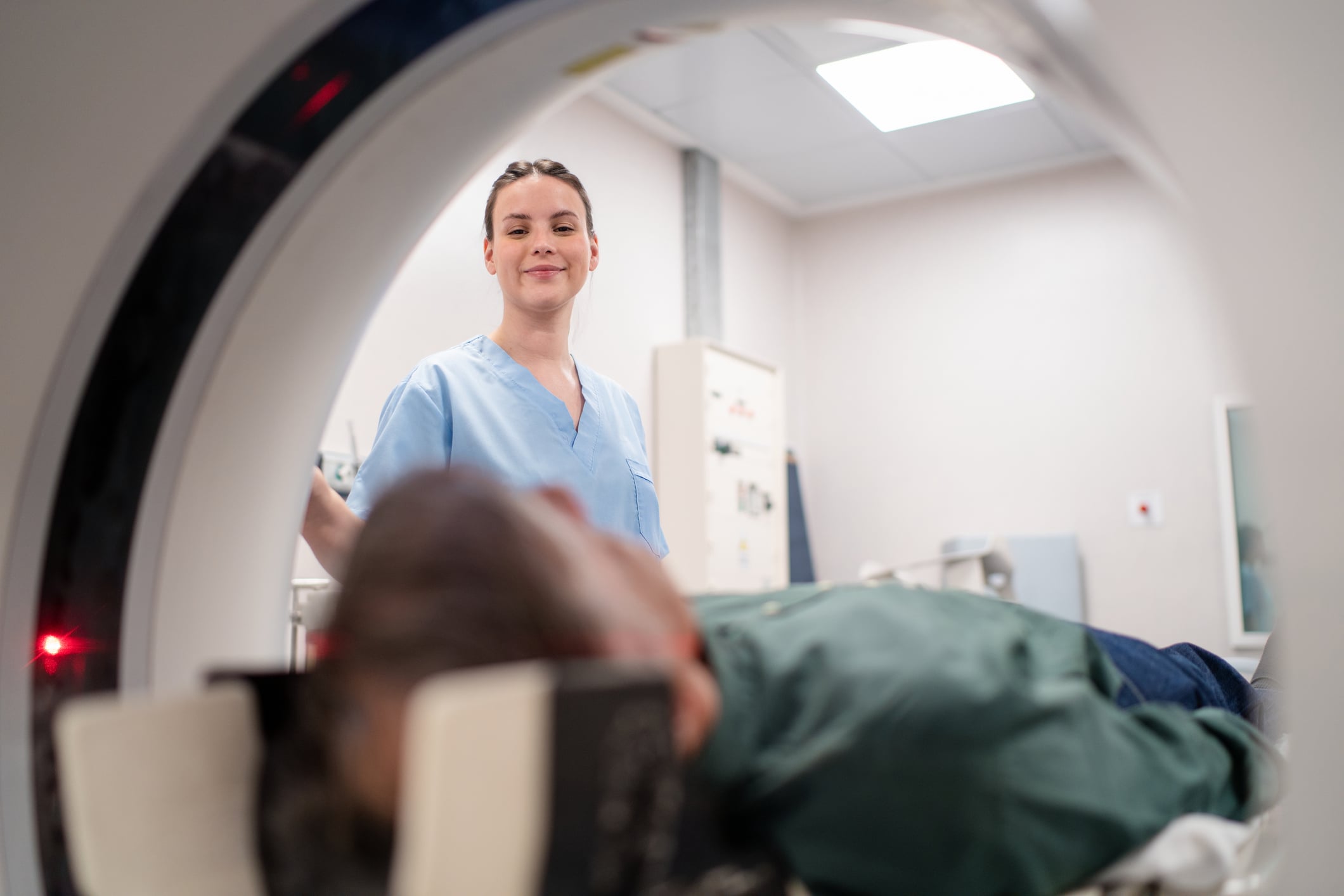
As part of her doctoral research, Emily Saunders performed protocol biopsies in liver transplant patients with normal liver values starting one year post-transplant. During a biopsy, doctors remove a small piece of tissue from the patient’s liver through the abdominal wall using a fine needle. This process takes only about one second. The site is locally anesthetized in advance.

Biopsies made graft damage visible

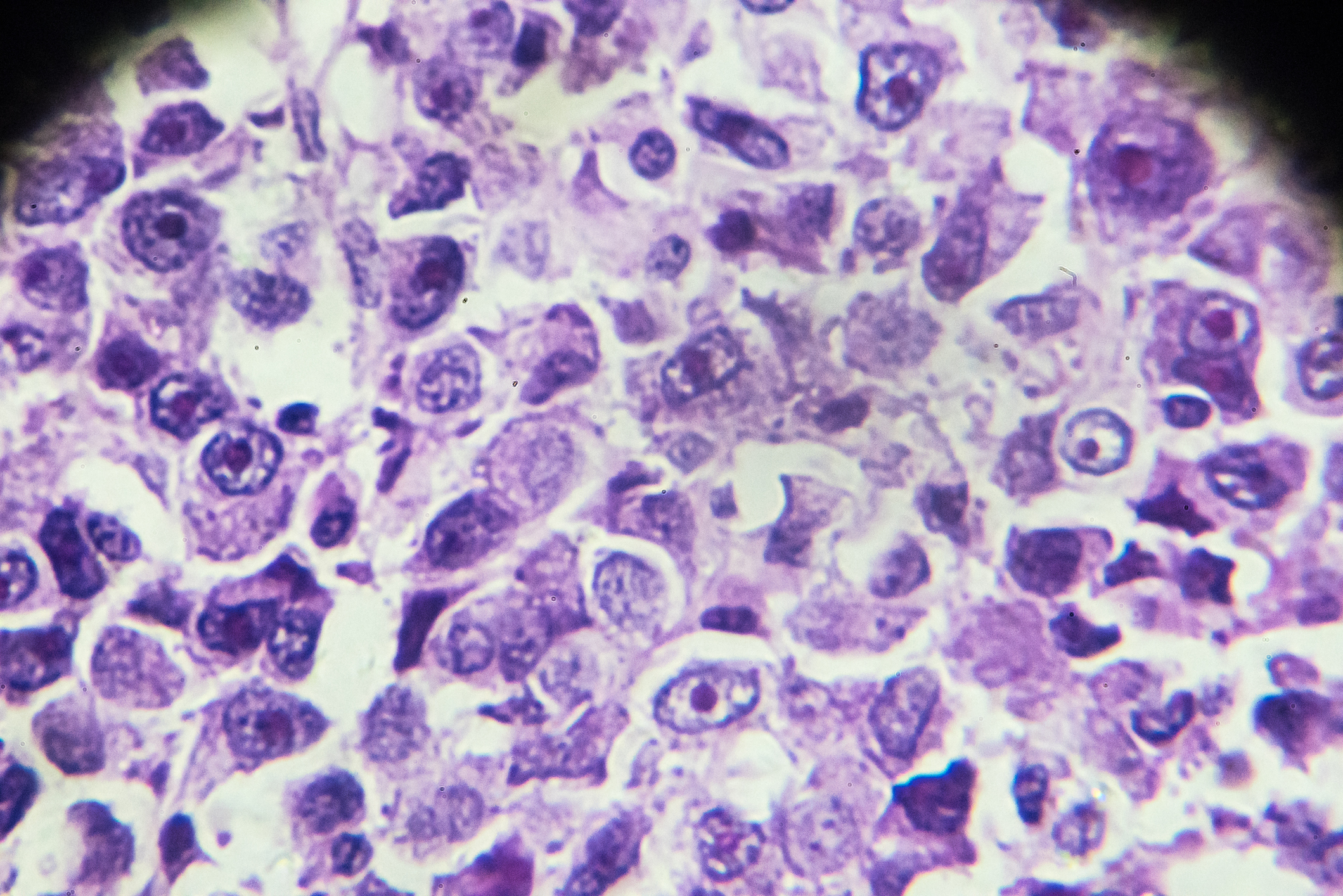
A total of 211 patients could be studied. Only about one-third of protocol biopsies were unremarkable. More than 60 percent of the samples showed damage to the transplant liver, such as scarring of the tissue or inflammation. “We would not have been able to detect this damage based on laboratory values and the clinical condition of the patients, so managing immunosuppression after liver transplantation without biopsies is flying blind,” says Elmar Jäckel, M.D., also a senior physician in the Department of Gastroenterology, Hepatology and Endocrinology, who coordinates the program with Dr. Taubert.

No relevant complications from the examination

“Observational evidence shows that protocol biopsies are safe and do not result in relevant complications for patients,” Dr. Taubert said. Based on the biopsy result, liver values, kidney function, and other concomitant diseases, the medical team was able to tailor immunosuppression for each patient. This is because not every patient needs the same strength of immunosuppression, and a few patients could even manage without any at all. The patients were closely monitored by their primary care physicians in the following months. One year after switching immunosuppression, patients returned to the outpatient clinic for follow-up.

Few transplant centers perform protocol biopsies, partly because of perceived risks such as bleeding and partly because until a few years ago it was unclear how to evaluate the above changes in liver biopsy. “Long-term survival beyond the first year after liver transplantation has improved little in the past 30 to 40 years, despite significant improvements in surgery and drug therapy. Too many organs are still lost. With regular protocol biopsies, this will hopefully change,” says Professor Dr. Hans Heiner Wedemeyer, Director of the MHH Clinic for Gastroenterology, Hepatology and Endocrinology. This, he said, is desirable for patients.
 

Original publication: 

https://onlinelibrary.wiley.com/doi/10.1111/ajt.16817

Previous Article
  • Lung cancer

New approach to predicting the response of immunotherapies

  • Oncology
  • Pneumology
  • RX
  • Studies
View Post
Next Article
  • Polyreactive antibodies as markers for autoimmune hepatitis.

Test improves diagnosis of rare liver disease

  • Gastroenterology and Hepatology
  • RX
View Post
You May Also Like
View Post
  • 6 min
  • Innovative Oral Treatment Options for Psoriasis: Icotrokinra and Zasocitinib

First-class immunomodulation combined with convenience—the data available so far is convincing

    • RX
    • Congress Reports
    • Dermatology and venereology
    • Rheumatology
    • Studies
View Post
  • 4 min
  • Preclinical Study on a Special Ginkgo biloba Extract

What role do proanthocyanidins play?

    • RX
    • Education
    • General Internal Medicine
    • Geriatrics
    • Neurology
    • Pharmaceutical medicine
    • Pharmacology and toxicology
    • Phytotherapy
    • Studies
View Post
  • 6 min
  • Myasthenia gravis: immunomodulatory therapies for long-term treatment

Expanded Possibilities Thanks to Innovative Classes of Active Ingredients

    • RX
    • Congress Reports
    • General Internal Medicine
    • Neurology
    • Ophthalmology
    • Studies
View Post
  • 10 min
  • Interstitial Lung Diseases

Update on Idiopathic Pulmonary Fibrosis

    • RX
    • CME continuing education
    • Pneumology
    • Studies
View Post
  • 7 min
  • Plastic surgery and reconstructive microsurgery for DFS

Functional limb preservation between infection control, vascular medicine and resurfacing

    • RX
    • Angiology
    • CME continuing education
    • Dermatology and venereology
    • Endocrinology and Diabetology
    • General Internal Medicine
    • Geriatrics
    • Physical medicine and rehabilitation
    • Surgery
View Post
  • 7 min
  • Ischemic stroke: Are smaller or larger brain arteries affected?

Recent study findings on intravenous lysis therapy with fibrinolytic agents

    • RX
    • Congress Reports
    • Emergency and intensive care medicine
    • General Internal Medicine
    • Neurology
    • Pharmacology and toxicology
    • Studies
    • Surgery
View Post
  • 7 min
  • Interview

“On par with the gold standards for trauma”

    • RX
    • Education
    • Interviews
    • Neurology
    • Physical medicine and rehabilitation
    • Psychiatry and psychotherapy
    • Studies
View Post
  • 5 min
  • Psychology: Emotional Freedom Techniques (EFT)

Emotional Healing Through Tapping

    • RX
    • Education
    • General Internal Medicine
    • Neurology
    • Physical medicine and rehabilitation
    • Psychiatry and psychotherapy
    • Studies
  • IBD matters

    Zum Thema
Top CME content
  • 1
    Functional limb preservation between infection control, vascular medicine and resurfacing
  • 2
    Update on Idiopathic Pulmonary Fibrosis
  • 3
    Update on Idiopathic Pulmonary Fibrosis
  • 4
    Current status of PAT
  • 5
    Darier’s Disease, also known as Follicular Keratosis – Update 2026

Newsletter

Sign up and stay up to date

Subscribe
Medizinonline Medizinonline
  • Contact
  • General terms and conditions
  • Imprint

Input your search keywords and press Enter.