Medizinonline Medizinonline
  • News
    • News
    • Market & Medicine
  • Patients
    • Disease patterns
    • Diagnostics
    • Therapy
  • Partner Content
    • Diabetes
      • Dia-Month Club – Type 2 Diabetes
      • Diabetes in Motion
      • Diabetes Podcasts
    • Gastroenterology
      • IBD matters
    • Oncology
      • Swiss Oncology in motion
    • Orthopedics
      • Osteoporosis in motion
  • Departments
    • Allergology and clinical immunology
    • General Internal Medicine
    • Anesthesiology
    • Angiology
    • Surgery
    • Dermatology and venereology
    • Endocrinology and Diabetology
    • Nutrition
    • Gastroenterology and Hepatology
    • Genetics
    • Geriatrics
    • Gynecology
    • Hematology
    • Infectiology
    • Cardiology
    • Nephrology
    • Neurology
    • Emergency and intensive care medicine
    • Nuclear Medicine
    • Oncology
    • Ophthalmology
    • ORL
    • Orthopedics
    • Pediatrics
    • Pharmacology and toxicology
    • Pharmaceutical medicine
    • Phlebology
    • Physical medicine and rehabilitation
    • Pneumology
    • Prevention and health care
    • Psychiatry and psychotherapy
    • Radiology
    • Forensic Medicine
    • Rheumatology
    • Sports Medicine
    • Traumatology and trauma surgery
    • Tropical and travel medicine
    • Urology
    • Dentistry
  • CME & Congresses
    • CME continuing education
    • Congress Reports
    • Congress calendar
  • Practice
    • Noctimed
    • Practice Management
    • Jobs
    • Interviews
  • Log In
  • Register
  • My account
  • Contact
  • Publications
  • Contact
  • Deutsch
  • English
  • Français
  • Italiano
  • Português
  • Español
Subscribe
Medizinonline Medizinonline
  • News
    • News
    • Market & Medicine
  • Patienten
    • Krankheitsbilder
    • Diagnostik
    • Therapie
  • Partner Content
    • Diabetes
      • Dia-Month Club – Type 2 Diabetes
      • Diabetes in Motion
      • Diabetes Podcasts
    • Gastroenterology
      • IBD matters
    • Oncology
      • Swiss Oncology in motion
    • Orthopedics
      • Osteoporosis in motion
    • Phytotherapie
    • Rheumatology
  • Departments
    • Fachbereiche 1-13
      • Allergology and clinical immunology
      • General Internal Medicine
      • Anesthesiology
      • Angiology
      • Surgery
      • Dermatology and venereology
      • Endocrinology and Diabetology
      • Nutrition
      • Gastroenterology and Hepatology
      • Genetics
      • Geriatrics
      • Gynecology
      • Hematology
    • Fachbereiche 14-26
      • Infectiology
      • Cardiology
      • Nephrology
      • Neurology
      • Emergency and intensive care medicine
      • Nuclear Medicine
      • Oncology
      • Ophthalmology
      • ORL
      • Orthopedics
      • Pediatrics
      • Pharmacology and toxicology
      • Pharmaceutical medicine
    • Fachbereiche 26-38
      • Phlebology
      • Physical medicine and rehabilitation
      • Phytotherapy
      • Pneumology
      • Prevention and health care
      • Psychiatry and psychotherapy
      • Radiology
      • Forensic Medicine
      • Rheumatology
      • Sports Medicine
      • Traumatology and trauma surgery
      • Tropical and travel medicine
      • Urology
      • Dentistry
  • CME & Congresses
    • CME continuing education
    • Congress Reports
    • Congress calendar
  • Practice
    • Noctimed
    • Practice Management
    • Jobs
    • Interviews
Login

Sie haben noch keinen Account? Registrieren

  • Amyotrophic lateral sclerosis (ALS)

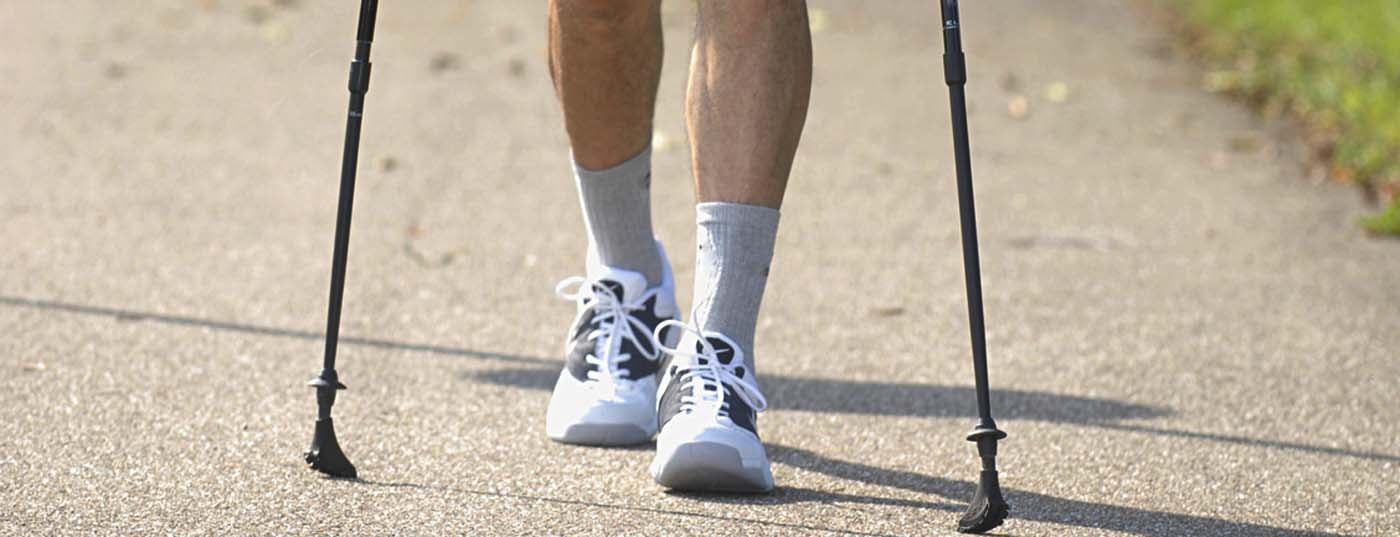
Is physical activity a risk factor for ALS?

    • Neurology
    • RX
    • Studies
  • 2 minute read

Information on whether or not physical activity is a risk for the development of ALS would be important in terms of understanding pathogenesis. A population-based, multinational case-control study examined this association.

Recognize languageAfrikaansAlbanianArabicArmenianAzerbaijaniBasqueBengaliBosnianBulgarianBurmeseCebuanoChichewaChinese (ver)Chinese (trad)DänischDeutschEnglischEsperantoEstnischFinnischFranzösischGalizischGeorgischGriechischGujaratiHaitianischHausaHebräischHindiHmongIgboIndonesischIrischIsländischItalienischJapanischJavanesischJiddischKannadaKasachischKatalanischKhmerKoreanischKroatischLaoLateinishLettischLitauischMalabarischMalagasyMalaysischMaltesischMaoriMarathischMazedonischMongolischNepalesischNiederländischNorwegischPersischPolnischPortugiesischPunjabiRumänischRussischSchwedischSerbischSesothoSinghalesischSlowakischSlowenischSomaliSpanischSuaheliSundanesischTadschikischTagalogTamilTeluguThailändischTschechischTürkischUkrainischUngarischUrduUzbekischVietnamesischWalisischWeißrussischYorubaZulu
 
AfrikaansAlbanianArabicArmenianAzerbaijaniBasqueBengaliBosnianBulgarianBurmeseCebuanoChichewaChinese (ver)Chinese (trad)DänischDeutschEnglischEsperantoEstnischFinnischFranzösischGalizischGeorgischGriechischGujaratiHaitianischHausaHebräischHindiHmongIgboIndonesischIrischIsländischItalienischJapanischJavanesischJiddischKannadaKasachischKatalanischKhmerKoreanischKroatischLaoLateinishLettischLitauischMalabarischMalagasyMalaysischMaltesischMaoriMarathischMazedonischMongolischNepalesischNiederländischNorwegischPersischPolnischPortugiesischPunjabiRumänischRussischSchwedischSerbischSesothoSinghalesischSlowakischSlowenischSomaliSpanischSuaheliSundanesischTadschikischTagalogTamilTeluguThailändischTschechischTürkischUkrainischUngarischUrduUzbekischVietnamesischWalisischWeißrussischYorubaZulu


The sound function is limited to 200 characters


Options: History: Feedback: Donate Close

Background: Physical activity has been consistently discussed as a risk factor for the development of ALS. In addition to reports of prominent athletes who later developed ALS, the data in the literature has been mixed, ranging from warnings against sport as a risk factor to its endorsement as a preventive measure. Informing whether or not physical activity is a risk for developing ALS would be important with respect to understanding pathogenesis. This association was examined in the population-based, multinational case-control study by Visser et al.

PATIENTS AND METHODS: Participants were recruited as part of the Euro-MOTOR consortium case-control study between 2011 and 2014. All met the revised El Escorial diagnostic criteria for possible or probable ALS. Controls were recruited by primary care physicians during routine visits and matched for age, sex, and place of residence.

A standardized questionnaire was applied to all study participants. This included demographic data, alcohol and tobacco use (never, former, active; pack years, smoking years), education, past and current occupations, trauma, and sports and hobbies, with duration of practice in years and hours per week. Finally, physical activities were calculated using the “Compensium of Physical Activities” and expressed as “metabolic aquivalent of task=MET”:



Results: A total of 1557 patients and 2922 controls were included in the study. Patients were more likely to be smokers and drank less alcohol. After adjusting for age, sex, education, tobacco/alcohol, and region, a linear association was found between physical activity and ALS risk: the more physical activity, the higher the risk of developing ALS (OR 1.06; 1.04-1.09). However, physical activity had no effect on phenotype (initially affected body region, age of onset).

Authors’ conclusion: The authors showed a linear relationship between physical activity and the risk of developing ALS. Physical activity was an independent risk factor even after correction for occupational noxious agents such as pesticides. An above-average active person (>75%) increased the risk of ALS by 26% compared to a below-average active person (<25%). The authors cannot completely exclude the influence of e.g. minor traumas, which may be associated with sports, or certain diets that athletes may follow. Another indication that physical activity is an independent risk factor is the fact that ALS manifests more frequently in the dominant hand at baseline.

Comment: Visser et al. have conducted a large multicenter and multinational study to more precisely map the previously unclear association of physical activity and ALS risk. The interesting finding of this study is the linear relationship between the two factors. Accordingly, there is an increased risk of ALS not only in top athletes, but also in people with above-average physical activity.


InFo NEUROLOGY & PSYCHIATRY 2018; 16(4): 18.
Autoren
  • Prof. Dr. med. Georg Kägi
Publikation
  • InFo NEUROLOGIE & PSYCHIATRIE
Related Topics
  • ALS
  • Amyotrophic lateral sclerosis
Previous Article
  • Pathologies of the rectum

Detect and treat rectal prolapse

  • Education
  • Gastroenterology and Hepatology
  • General Internal Medicine
  • RX
  • Studies
View Post
Next Article
  • Craniocerebral trauma in sports

Sports fitness assessment, part 2

  • Neurology
  • News
  • Physical medicine and rehabilitation
  • RX
  • Sports Medicine
  • Traumatology and trauma surgery
View Post
You May Also Like
View Post
  • 14 min
  • Seborrheic Dermatitis in Adults and Adolescents

Current State of Knowledge and New Therapeutic Approaches

    • RX
    • CME continuing education
    • Dermatology and venereology
    • Studies
View Post
  • 7 min
  • Plastic surgery and reconstructive microsurgery for DFS

Functional limb preservation between infection control, vascular medicine and resurfacing

    • RX
    • Angiology
    • CME continuing education
    • Dermatology and venereology
    • Endocrinology and Diabetology
    • General Internal Medicine
    • Geriatrics
    • Physical medicine and rehabilitation
    • Surgery
View Post
  • 7 min
  • Orthobiologics for knee osteoarthritis

PRP and hyaluronic acid injections as building blocks in a multimodal concept

    • RX
    • Congress Reports
    • General Internal Medicine
    • Orthopedics
    • Rheumatology
    • Sports Medicine
    • Studies
    • Surgery
View Post
  • 3 min
  • Soft tissue sarcomas of the lower extremity

Diagnostics, subtypes and treatment options

    • RX
    • Education
    • Oncology
View Post
  • 38 min
  • Psychological dependence on AI assistants, smartphones and short videos

Algorithms, avatars and the unburdened mind

    • RX
    • CME continuing education
    • Neurology
    • Pediatrics
    • Prevention and health care
    • Psychiatry and psychotherapy
    • Studies
View Post
  • 8 min
  • Psychooncology

Communication as the key to therapy adherence

    • CME continuing education
    • Practice Management
    • RX
View Post
  • 12 min
  • The Brain and the Motivation to Eat

Why is it so hard to lose weight?

    • RX
    • CME continuing education
    • Endocrinology and Diabetology
    • General Internal Medicine
    • Nutrition
    • Pharmacology and toxicology
    • Prevention and health care
    • Psychiatry and psychotherapy
    • Studies
View Post
  • 5 min
  • Omaveloxolone for Friedreich's Ataxia

Efficacy and Safety Studied Over 6 Years

    • Neurology
    • Congress Reports
    • Endocrinology and Diabetology
    • RX
    • Studies
  • IBD matters

    Zum Thema
Top CME content
  • 1
    Current State of Knowledge and New Therapeutic Approaches
  • 2
    Why is it so hard to lose weight?
  • 3
    Functional limb preservation between infection control, vascular medicine and resurfacing
  • 4
    Algorithms, avatars and the unburdened mind
  • 5
    Communication as the key to therapy adherence

Newsletter

Sign up and stay up to date

Subscribe
Medizinonline Medizinonline
  • Contact
  • General terms and conditions
  • Imprint

Input your search keywords and press Enter.