Medizinonline Medizinonline
  • News
    • News
    • Market & Medicine
  • Patients
    • Disease patterns
    • Diagnostics
    • Therapy
  • Partner Content
    • Diabetes
      • Dia-Month Club – Type 2 Diabetes
      • Diabetes in Motion
    • Gastroenterology
      • IBD matters
    • Oncology
      • Swiss Oncology in motion
    • Orthopedics
      • Osteoporosis in motion
  • Departments
    • Allergology and clinical immunology
    • General Internal Medicine
    • Anesthesiology
    • Angiology
    • Surgery
    • Dermatology and venereology
    • Endocrinology and Diabetology
    • Nutrition
    • Gastroenterology and Hepatology
    • Genetics
    • Geriatrics
    • Gynecology
    • Hematology
    • Infectiology
    • Cardiology
    • Nephrology
    • Neurology
    • Emergency and intensive care medicine
    • Nuclear Medicine
    • Oncology
    • Ophthalmology
    • ORL
    • Orthopedics
    • Pediatrics
    • Pharmacology and toxicology
    • Pharmaceutical medicine
    • Phlebology
    • Physical medicine and rehabilitation
    • Pneumology
    • Prevention and health care
    • Psychiatry and psychotherapy
    • Radiology
    • Forensic Medicine
    • Rheumatology
    • Sports Medicine
    • Traumatology and trauma surgery
    • Tropical and travel medicine
    • Urology
    • Dentistry
  • CME & Congresses
    • CME continuing education
    • Congress Reports
    • Congress calendar
  • Practice
    • Noctimed
    • Practice Management
    • Jobs
    • Interviews
  • Log In
  • Register
  • My account
  • Contact
  • Publications
  • Contact
  • Deutsch
  • English
  • Français
  • Italiano
  • Português
  • Español
Subscribe
Medizinonline Medizinonline
  • News
    • News
    • Market & Medicine
  • Patienten
    • Krankheitsbilder
    • Diagnostik
    • Therapie
  • Partner Content
    • Diabetes
      • Dia-Month Club – Type 2 Diabetes
      • Diabetes in Motion
    • Gastroenterology
      • IBD matters
    • Oncology
      • Swiss Oncology in motion
    • Orthopedics
      • Osteoporosis in motion
    • Phytotherapie
    • Rheumatology
  • Departments
    • Fachbereiche 1-13
      • Allergology and clinical immunology
      • General Internal Medicine
      • Anesthesiology
      • Angiology
      • Surgery
      • Dermatology and venereology
      • Endocrinology and Diabetology
      • Nutrition
      • Gastroenterology and Hepatology
      • Genetics
      • Geriatrics
      • Gynecology
      • Hematology
    • Fachbereiche 14-26
      • Infectiology
      • Cardiology
      • Nephrology
      • Neurology
      • Emergency and intensive care medicine
      • Nuclear Medicine
      • Oncology
      • Ophthalmology
      • ORL
      • Orthopedics
      • Pediatrics
      • Pharmacology and toxicology
      • Pharmaceutical medicine
    • Fachbereiche 26-38
      • Phlebology
      • Physical medicine and rehabilitation
      • Phytotherapy
      • Pneumology
      • Prevention and health care
      • Psychiatry and psychotherapy
      • Radiology
      • Forensic Medicine
      • Rheumatology
      • Sports Medicine
      • Traumatology and trauma surgery
      • Tropical and travel medicine
      • Urology
      • Dentistry
  • CME & Congresses
    • CME continuing education
    • Congress Reports
    • Congress calendar
  • Practice
    • Noctimed
    • Practice Management
    • Jobs
    • Interviews
Login

Sie haben noch keinen Account? Registrieren

  • To the point

Lie detector brand family doctor

    • General Internal Medicine
    • News
    • Prevention and health care
    • RX
  • 3 minute read

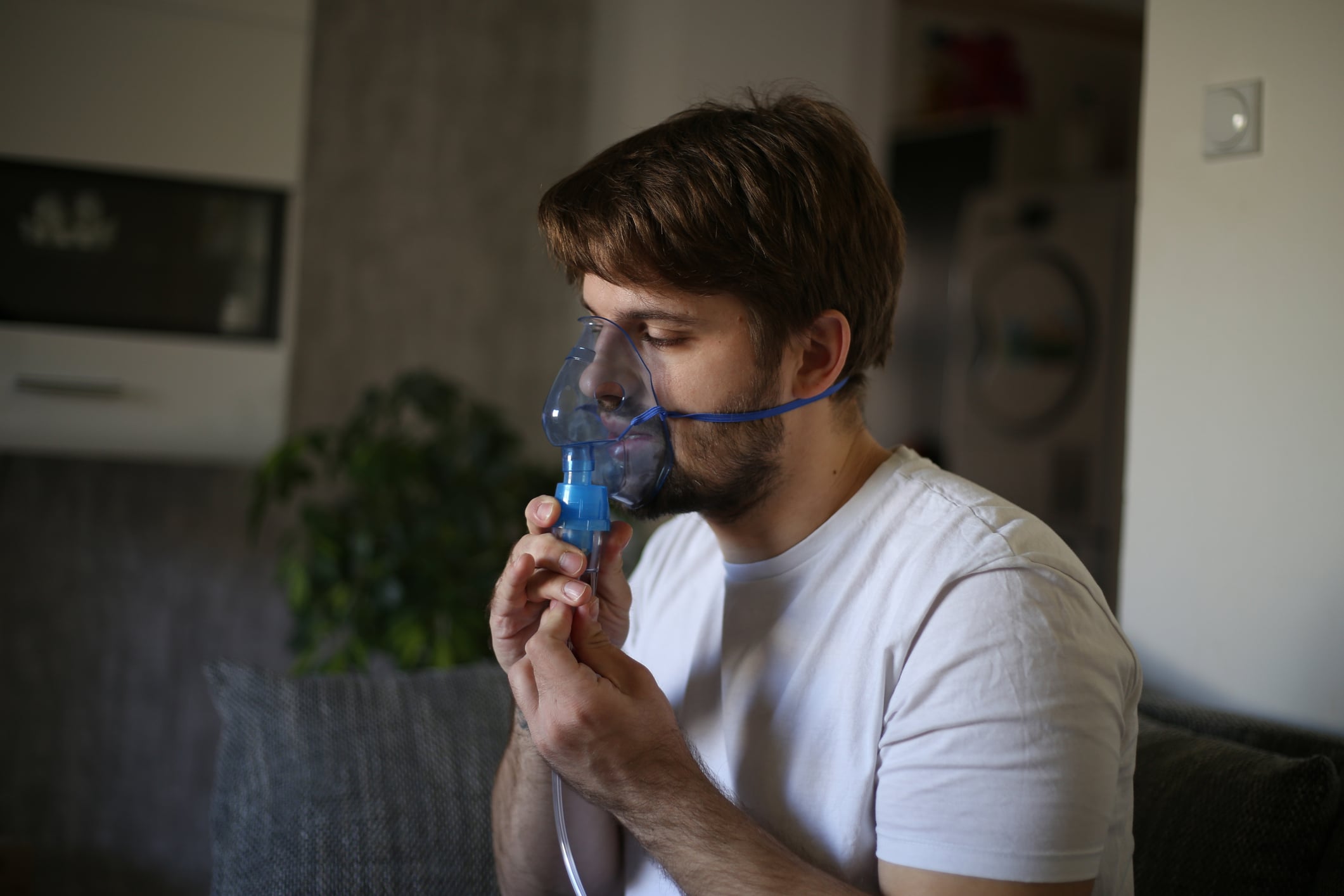
For a few weeks now, our patients have been coughing and blowing their nose in the waiting room again. Viral infections are “in vogue”. The typical flu patients are giving each other a run for their money. “For the past three or four days, I have had a pain in my limbs and headache and suffer from an unbearable cough. Today I’m already feeling a little better,” the patient reports. I can easily confirm the diagnosis of a flu-like infection. So he should continue to take his home remedies and I discharge him from my treatment with the note that he should contact me again if the complaints persist or if the condition worsens. For a few weeks now, our patients have been coughing and blowing their nose in the waiting room again. Viral infections are “in vogue”. The typical flu patients are giving each other a run for their money. “For the past three or four days, I have had a pain in my limbs and headache and suffer from an unbearable cough. Today I’m already feeling a little better,” the patient reports. I can easily confirm the diagnosis of a flu-like infection. So he should continue to take his home remedies and I discharge him from my treatment with the note that if the symptoms persist or the condition worsens, he should contact me again. 

At the end of the consultation, the patient asks for a certificate of incapacity because he has been absent from work since Friday due to illness. He says that he will certainly not be able to work this week either. So today Monday he wants a report card from me by the end of the week. However, if he is fit to return to work on Wednesday, he does not need a certificate because, as a rule, the employer does not require one until after three working days. So, should I issue a certificate to the patient by the end of the week, knowing that he will probably be fit for work again after two days and will be absent from work for two to three days without being sick? If I don’t give him the certificate he wants, he will call on Friday or make an emergency appearance at the office hours to ask me again for a certificate. He will explain to me that he was still so sick and therefore could not work.

I have two options: Either I believe him and issue it to him, or I don’t believe him and refuse to give him the certificate. I will probably turn it off.

What if he had appeared only after five days and I could not have detected any more viral symptoms? I would issue the certificate stating “according to the patient’s specifications.” Many patients come to us only to have their incapacity confirmed. As a rule, they require neither diagnostics nor therapy. They just want us to confirm that they are not lying to their employer. So often we issue a certificate that is worthless because we never even saw the patient sick. For ten francs we have to certify illness “according to the patient’s information”, as if we family doctors were lie detectors.

Do you always have only good feelings about it? Not me!

Cordially, your

Autoren
  • Dr. med. Josef Widler
Related Topics
  • Certificate of incapacity for work
  • Family doctor
  • Flu patients
  • Lie
Previous Article
  • Physical activity and exercise therapy

Bringing the patient back into “flow” with his body

  • Education
  • Physical medicine and rehabilitation
  • RX
View Post
Next Article
  • Allergies in the family practice

Are you prepared for the allergic patient?

  • Allergology and clinical immunology
  • Dermatology and venereology
  • Education
  • RX
View Post
You May Also Like
View Post
  • 6 min
  • Xerosis cutis in Older Adults

Emollients with humectants such as urea or glycerin: clinical evidence

    • RX
    • Allergology and clinical immunology
    • Dermatology and venereology
    • Education
    • Geriatrics
    • Pharmacology and toxicology
    • Studies
View Post
  • 3 min
  • Casuistry

Chronic eosinophilic pneumonia in RA

    • RX
    • Cases
    • Education
    • General Internal Medicine
    • Pneumology
    • Rheumatology
View Post
  • 4 min
  • Case Study: Secondary Pseudohypoaldosteronism

Severe electrolyte imbalances and nonspecific symptoms in an infant

    • RX
    • Cases
    • Education
    • General Internal Medicine
    • Nephrology
    • Pediatrics
    • Urology
View Post
  • 4 min
  • CKD and High Blood Pressure

Keeping an Eye on Bidirectional Interactions

    • RX
    • Cardiology
    • Congress Reports
    • General Internal Medicine
    • Nephrology
    • Studies
View Post
  • 20 min
  • Molecular Classification, FIGO 2023, and Chemoimmunotherapy

Endometrial carcinoma

    • RX
    • CME continuing education
    • Gynecology
    • Oncology
    • Studies
View Post
  • 4 min
  • Psoriatic Arthritis

Older patients at risk for tachyarrhythmias

    • RX
    • Cardiology
    • Dermatology and venereology
    • Education
    • General Internal Medicine
    • Geriatrics
    • Pharmacology and toxicology
    • Rheumatology
    • Studies
View Post
  • 3 min
  • Genetic Kidney Disease: DOUBLE PROTECT Alport

The SGLT-2 inhibitor dapagliflozin as an add-on to RAS blockade

    • RX
    • Education
    • General Internal Medicine
    • Genetics
    • Nephrology
    • Studies
View Post
  • 4 min
  • Case Study: Cystic Fibrosis in Adults

Recurrent Pneumonia as a Manifestation of Cystic Fibrosis

    • RX
    • Education
    • Infectiology
    • Pneumology
  • IBD matters

    Zum Thema
Top CME content
  • 1
    Endometrial carcinoma
  • 2
    Clinical Presentation, Diagnosis, and Treatment of DSPN
  • 3
    Why is it so hard to lose weight?
  • 4
    Four-Legged Medical Assistants – Therapy Dogs in Clinical Settings
  • 5
    Functional limb preservation between infection control, vascular medicine and resurfacing

Newsletter

Sign up and stay up to date

Subscribe
Medizinonline Medizinonline
  • Contact
  • General terms and conditions
  • Imprint

Input your search keywords and press Enter.