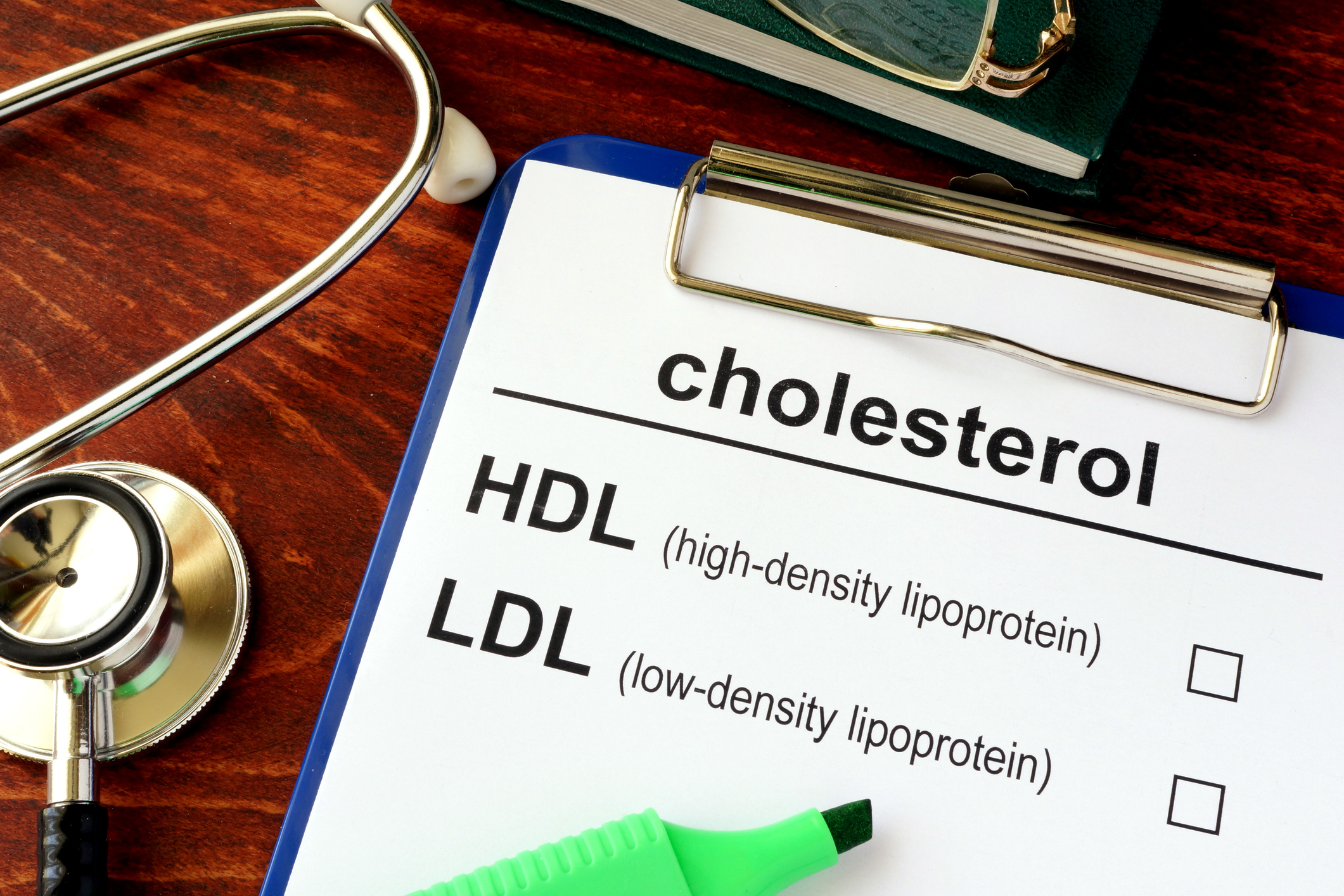
The European Society of Cardiology (ESC) and European Atherosclerosis Society (EAS) guideline update on the management of dyslipidemia continues to focus largely on how best to manage lipid levels to reduce cardiovascular (CV) risk. Although some things have remained the same, some important new recommendations have been added, based on evidence from several clinical trials published from 2019 onwards.
Autoren
- Mirjam Peter, M.Sc.
Publikation
- HAUSARZT PRAXIS

Related Topics
You May Also Like
- Study report
Sphingolipid profile in early-stage primary biliary cholangitis
- Angiosarcoma of the heart
A diagnostic and therapeutic “black box”
- Ataxias
Friedreich’s ataxia: when the energy metabolism attacks the nervous system
- Risk of osteoporosis in autoimmune liver diseases
Always determine bone density in PBC, PSC and AIH
- Case report: Complication after type 2 diabetes
Topical corticosteroids lead to ketoacidosis
- NSCLC
Bispecific antibodies for rare EGFR mutations
- Type 2 diabetes - glycemic control and prevention of secondary diseases
Utilizing pleiotropic cardio- and nephroprotective effects of SGLT-2-i and GLP-1-RA
- Subsyndromal anxiety disorders: Family doctor as first point of contact