Medizinonline Medizinonline
  • News
    • News
    • Market & Medicine
  • Patients
    • Disease patterns
    • Diagnostics
    • Therapy
  • Partner Content
    • Diabetes
      • Dia-Month Club – Type 2 Diabetes
      • Diabetes in Motion
    • Gastroenterology
      • IBD matters
    • Oncology
      • Swiss Oncology in motion
    • Orthopedics
      • Osteoporosis in motion
  • Departments
    • Allergology and clinical immunology
    • General Internal Medicine
    • Anesthesiology
    • Angiology
    • Surgery
    • Dermatology and venereology
    • Endocrinology and Diabetology
    • Nutrition
    • Gastroenterology and Hepatology
    • Genetics
    • Geriatrics
    • Gynecology
    • Hematology
    • Infectiology
    • Cardiology
    • Nephrology
    • Neurology
    • Emergency and intensive care medicine
    • Nuclear Medicine
    • Oncology
    • Ophthalmology
    • ORL
    • Orthopedics
    • Pediatrics
    • Pharmacology and toxicology
    • Pharmaceutical medicine
    • Phlebology
    • Physical medicine and rehabilitation
    • Pneumology
    • Prevention and health care
    • Psychiatry and psychotherapy
    • Radiology
    • Forensic Medicine
    • Rheumatology
    • Sports Medicine
    • Traumatology and trauma surgery
    • Tropical and travel medicine
    • Urology
    • Dentistry
  • CME & Congresses
    • CME continuing education
    • Congress Reports
    • Congress calendar
  • Practice
    • Noctimed
    • Practice Management
    • Jobs
    • Interviews
  • Log In
  • Register
  • My account
  • Contact
  • Publications
  • Contact
  • Deutsch
  • English
  • Français
  • Italiano
  • Português
  • Español
Subscribe
Medizinonline Medizinonline
  • News
    • News
    • Market & Medicine
  • Patienten
    • Krankheitsbilder
    • Diagnostik
    • Therapie
  • Partner Content
    • Diabetes
      • Dia-Month Club – Type 2 Diabetes
      • Diabetes in Motion
    • Gastroenterology
      • IBD matters
    • Oncology
      • Swiss Oncology in motion
    • Orthopedics
      • Osteoporosis in motion
    • Phytotherapie
    • Rheumatology
  • Departments
    • Fachbereiche 1-13
      • Allergology and clinical immunology
      • General Internal Medicine
      • Anesthesiology
      • Angiology
      • Surgery
      • Dermatology and venereology
      • Endocrinology and Diabetology
      • Nutrition
      • Gastroenterology and Hepatology
      • Genetics
      • Geriatrics
      • Gynecology
      • Hematology
    • Fachbereiche 14-26
      • Infectiology
      • Cardiology
      • Nephrology
      • Neurology
      • Emergency and intensive care medicine
      • Nuclear Medicine
      • Oncology
      • Ophthalmology
      • ORL
      • Orthopedics
      • Pediatrics
      • Pharmacology and toxicology
      • Pharmaceutical medicine
    • Fachbereiche 26-38
      • Phlebology
      • Physical medicine and rehabilitation
      • Phytotherapy
      • Pneumology
      • Prevention and health care
      • Psychiatry and psychotherapy
      • Radiology
      • Forensic Medicine
      • Rheumatology
      • Sports Medicine
      • Traumatology and trauma surgery
      • Tropical and travel medicine
      • Urology
      • Dentistry
  • CME & Congresses
    • CME continuing education
    • Congress Reports
    • Congress calendar
  • Practice
    • Noctimed
    • Practice Management
    • Jobs
    • Interviews
Login

Sie haben noch keinen Account? Registrieren

  • Relapsing-remitting multiple sclerosis (RRMS)

New S1P1 modulator expands the therapeutic spectrum

    • Education
    • General Internal Medicine
    • Neurology
    • RX
    • Studies
  • 3 minute read

The selective sphingosine-1-phosphate receptor 1 (S1P1) modulator ponesimod has been approved in Switzerland since November 2021 for the treatment of relapsing-remitting multiple sclerosis (RRMS) with active disease. The approval is based on data from the international OPTIMUM clinical trial. In it, efficacy and safety were studied in over 1000 adult patients with RRMS.

Ponesimod is a beneficial additional treatment option for patients with RRMS. The effects of the immunosuppressive agent are based on inhibition of the passage of lymphocytes from the lymph nodes into the bloodstream. The therapy is started gradually and the tablets are taken once a day regardless of meals. As with other second-generation S1P modulators, the elimination of initial dose monitoring is a relief in everyday life. In Switzerland, the costs of Ponesimod (Ponvory®) are covered by the basic insurance of the health insurance companies after prior application for cost approval by the attending specialist [2].

Significant reduction in annualized recidivism rate

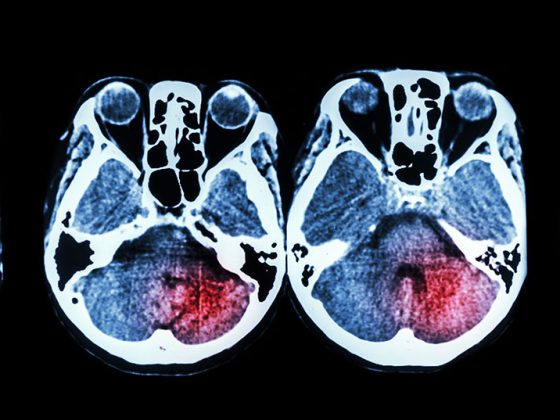
The phase III OPTIMUM (Oral Ponesimod Versus Teriflunomide In Relapsing MUltiple Sclerosis) study compared efficacy and safety of ponesimod 20 mg with that of teriflunomide 14 mg over a 108-week period [1,3]. The study population included 1133 adult patients with relapsing-remitting multiple sclerosis. The two-year study demonstrated superior efficacy of ponesimod 20 mg versus teriflunomide 14 mg in terms of reducing the annualized relapse rate (ARR). At week 108 of the study period, treatment with ponesimod showed a statistically highly significant 30.5% reduction in ARR compared with teriflunomide (Fig. 1) [4]. Thus, the primary efficacy endpoint was met. In addition, compared with teriflunomide, there was a statistically significant reduction in fatigue and a 56% reduction in combined isolated active lesions in the brain (CUAL) with ponesimod therapy, as shown by annual MRI brain scans (Fig. 2) [4].


Demographics and disease characteristics of the treatment groups at baseline were balanced [5]. The mean age was 37 years, and 65% of the study participants were female. The mean disease duration was 7.6 years, the mean number of relapses in the previous year was 1.3, and the mean EDSS score corresponded to 2.6. At 57%, more than half of the study participants had not previously received disease-modifying MS therapy. 40% of patients treated with ponesimod had one or more Gd+ T1 lesions on brain MRI at baseline, and the mean value in this regard was 1.9.

Flexibility regarding treatment management

Monitoring after administration of the first dose of ponesimod is not mandatory. However, patients with certain preexisting cardiac conditions should be monitored for 4 hours. Drug interactions exist with strong CYP3A4 or UGT1A1 inducers [1]. Testing for metabolization polymorphisms is not necessary. The half-life is 33 h, and the washout time is about 1 week. The effect of ponesimod on the immune system is thus rapidly reversible, theoretically allowing normalization of the lymphocyte count within only one week, providing additional flexibility in treatment management. This can play an important role, for example, in upcoming vaccinations, serious infections or family planning.

“Ponesimod showed superior clinical efficacy over oral teriflunomide in reducing relapses and the number of active MRI lesions in the brain in patients with RMS in the pivotal study,” said Prof. Heinz Wiendl, MD, PhD, board spokesperson of the Multiple Sclerosis Competence Network and head of the Department of Neurology with Institute for Translational Neurology at Münster University Hospital [1]. Side effect rates predominantly correspond to class effects within S1P modulators [1]. The most common adverse effects include nasopharyngitis, upper respiratory tract infections, and an increase in alanine aminotransferase. Ponesimod must not be administered during pregnancy.


Literature:

  1. “Approval of the S1P modulator ponesimod for the treatment of adult patients with relapsing-remitting multiple sclerosis,” Science Information Service, May 26, 2021.
  2. “Ponvory® (ponesimod) – eligible for basic health insurance,” MS Society, Jan. 02, 2022.
  3. European marketing authorization for MS drug ponesimod (Ponvory®), www.msges.at/multiple-sklerose/literatur/therapie/ponesimod (last accessed Mar. 18, 2022)
  4. Kappos L, et al: JAMA Neurol 2021; 78(5): 558-567.
  5. Swissmedic: Medicinal product information, www.swissmedicinfo.ch (last accessed 18.03.2022).


HAUSARZT PRAXIS 2022; 17(4): 32
Autoren
  • Mirjam Peter, M.Sc.
Publikation
  • HAUSARZT PRAXIS
Related Topics
  • Multiple sclerosis
  • ponesimod
Previous Article
  • Ischemic stroke

“Time is brain” – guideline recommendations for acute therapy.

  • Education
  • Emergency and intensive care medicine
  • General Internal Medicine
  • Neurology
  • RX
  • Studies
View Post
Next Article
  • Comorbidity Research

Chronic urticaria: increased prevalence of mental disorders.

  • Allergology and clinical immunology
  • Dermatology and venereology
  • Education
  • Psychiatry and psychotherapy
  • RX
  • Studies
View Post
You May Also Like
View Post
  • 4 min
  • From symptom to diagnosis

Pulmonology – Lobus venae acygos

    • RX
    • Cases
    • Education
    • Oncology
    • Pneumology
    • Radiology
View Post
  • 9 min
  • Atopic Dermatitis: Precisely Targeting Immunological Targets

Interleukin blockade or OX40-(L) inhibition?

    • RX
    • Allergology and clinical immunology
    • Dermatology and venereology
    • Education
    • Studies
View Post
  • 14 min
  • Fibromyalgia Syndrome

Development, Diagnosis, Epidemiology, and Treatment of a Disease Entity

    • General Internal Medicine
    • CME continuing education
    • Geriatrics
    • Neurology
    • Orthopedics
    • Rheumatology
    • RX
View Post
  • 27 min
  • Across All Types of Cancer

Four-Legged Medical Assistants – Therapy Dogs in Clinical Settings

    • RX
    • CME continuing education
    • General Internal Medicine
    • Geriatrics
    • Hematology
    • Oncology
    • Pediatrics
    • Physical medicine and rehabilitation
    • Prevention and health care
    • Studies
View Post
  • 8 min
  • Obesity: More than half of those affected have fatty liver disease

From screening to multimodal intervention with GLP-1-RA or resmetirom

    • RX
    • Education
    • Endocrinology and Diabetology
    • Gastroenterology and Hepatology
    • General Internal Medicine
    • Nutrition
    • Studies
View Post
  • 6 min
  • Innovative Oral Treatment Options for Psoriasis: Icotrokinra and Zasocitinib

First-class immunomodulation combined with convenience—the data available so far is convincing

    • RX
    • Congress Reports
    • Dermatology and venereology
    • Rheumatology
    • Studies
View Post
  • 4 min
  • Preclinical Study on a Special Ginkgo biloba Extract

What role do proanthocyanidins play?

    • RX
    • Education
    • General Internal Medicine
    • Geriatrics
    • Neurology
    • Pharmaceutical medicine
    • Pharmacology and toxicology
    • Phytotherapy
    • Studies
View Post
  • 6 min
  • Myasthenia gravis: immunomodulatory therapies for long-term treatment

Expanded Possibilities Thanks to Innovative Classes of Active Ingredients

    • RX
    • Congress Reports
    • General Internal Medicine
    • Neurology
    • Ophthalmology
    • Studies
  • IBD matters

    Zum Thema
Top CME content
  • 1
    Four-Legged Medical Assistants – Therapy Dogs in Clinical Settings
  • 2
    Functional limb preservation between infection control, vascular medicine and resurfacing
  • 3
    Update on Idiopathic Pulmonary Fibrosis
  • 4
    Update on Idiopathic Pulmonary Fibrosis
  • 5
    Current status of PAT

Newsletter

Sign up and stay up to date

Subscribe
Medizinonline Medizinonline
  • Contact
  • General terms and conditions
  • Imprint

Input your search keywords and press Enter.