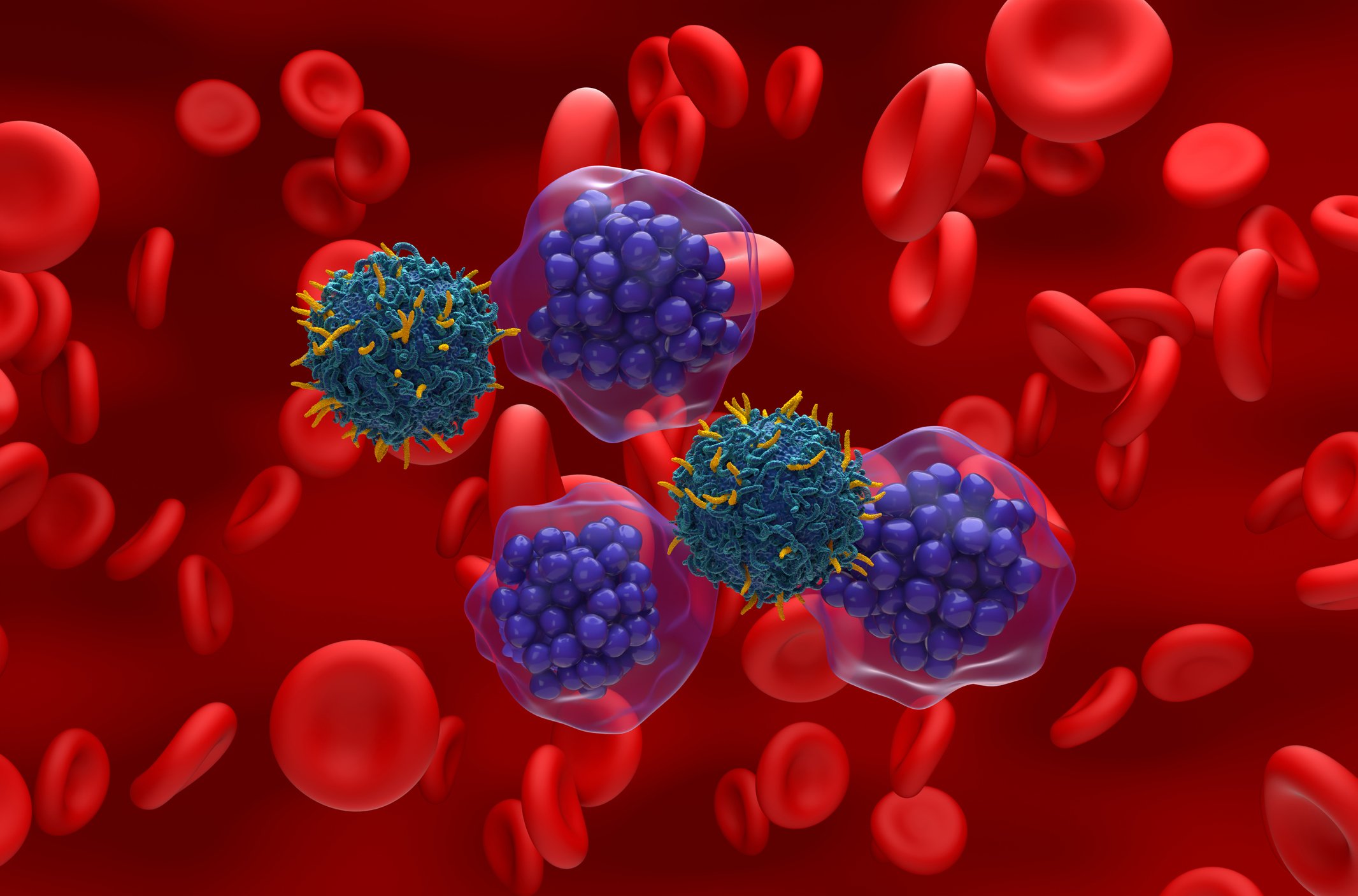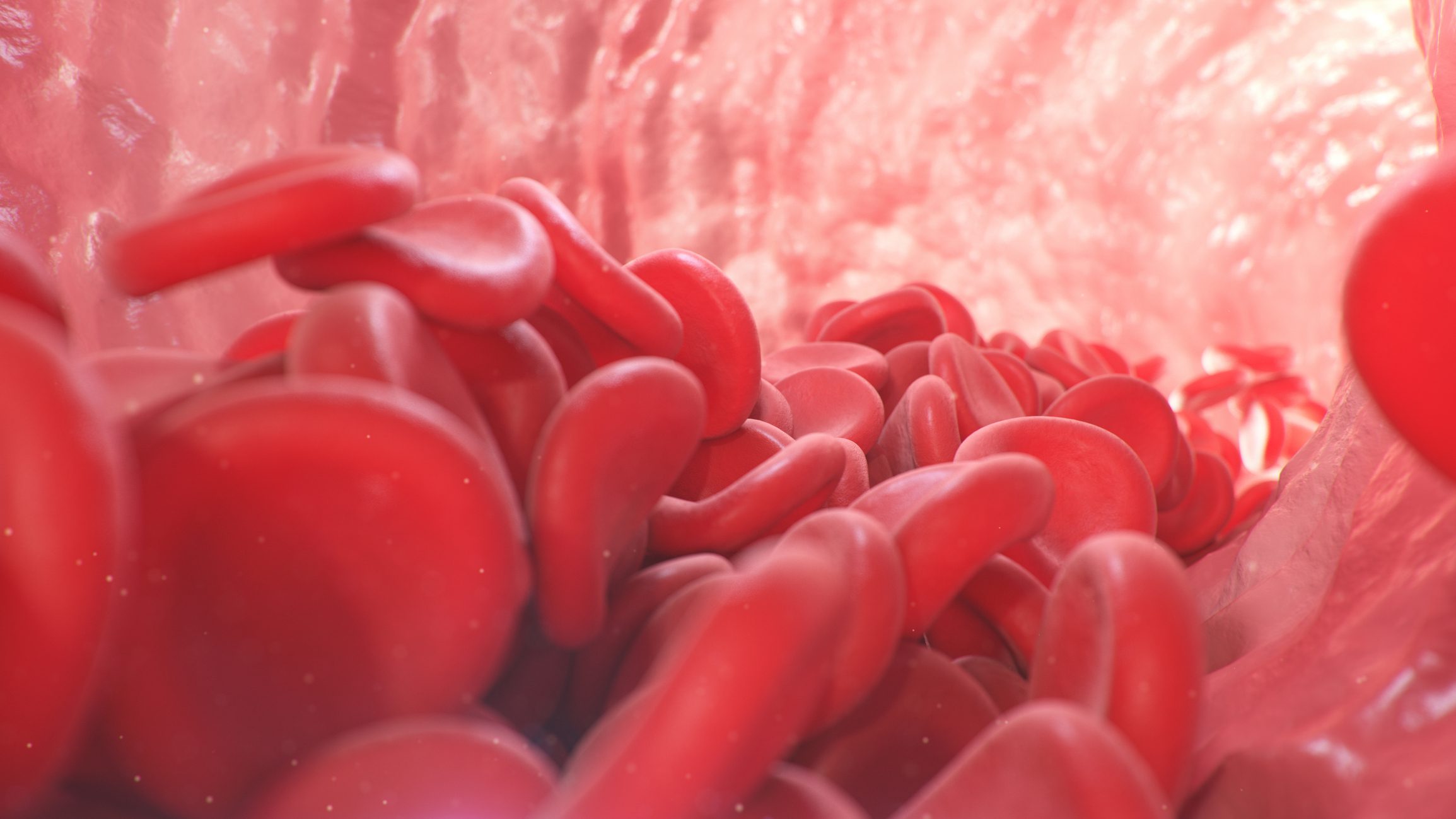
Severe haemophilia carries a high risk of life-threatening complications if left untreated. In addition to the classic therapeutic principle of substituting the missing coagulation factor, new treatment options have been developed in recent years. This was also one of the topics at this year’s congress of the European Association of Hematology (EHA). Study results on gene therapy show a long-lasting increase in the coagulation factor after a single infusion.
Autoren
- Mirjam Peter, M.Sc.
Publikation
- HAUSARZT PRAXIS
Related Topics
You May Also Like
- Psoriasis in difficult localizations: Nail psoriasis
IL-23 and IL-17 as a target – selected study findings
- Artificial intelligence in diabetes prevention
Lifestyle interventions are better accepted with AI
- B-cell lymphomas
Bispecific antibodies – mechanisms, evidence and future role
- Dermatoscopic findings of granulomatous diseases
Cutaneous sarcoidosis, necrobiosis lipoidica and granuloma anulare
- Clostridioides difficile infection: specific therapy
Importance of vancomycin and fidaxomicin has increased
- Study report
Asthma exacerbation risk in patients with a psychological comorbidity
- Neuropathies - CIDP
Differentiate chronic inflammatory demyelinating polyneuropathy (CIDP)
- Treatment of type 2 diabetes: paradigm shift continues