Medizinonline Medizinonline
  • News
    • News
    • Market & Medicine
  • Patients
    • Disease patterns
    • Diagnostics
    • Therapy
  • Partner Content
    • Diabetes
      • Dia-Month Club – Type 2 Diabetes
      • Diabetes in Motion
      • Diabetes Podcasts
    • Gastroenterology
      • IBD matters
    • Oncology
      • Swiss Oncology in motion
    • Orthopedics
      • Osteoporosis in motion
  • Departments
    • Allergology and clinical immunology
    • General Internal Medicine
    • Anesthesiology
    • Angiology
    • Surgery
    • Dermatology and venereology
    • Endocrinology and Diabetology
    • Nutrition
    • Gastroenterology and Hepatology
    • Genetics
    • Geriatrics
    • Gynecology
    • Hematology
    • Infectiology
    • Cardiology
    • Nephrology
    • Neurology
    • Emergency and intensive care medicine
    • Nuclear Medicine
    • Oncology
    • Ophthalmology
    • ORL
    • Orthopedics
    • Pediatrics
    • Pharmacology and toxicology
    • Pharmaceutical medicine
    • Phlebology
    • Physical medicine and rehabilitation
    • Pneumology
    • Prevention and health care
    • Psychiatry and psychotherapy
    • Radiology
    • Forensic Medicine
    • Rheumatology
    • Sports Medicine
    • Traumatology and trauma surgery
    • Tropical and travel medicine
    • Urology
    • Dentistry
  • CME & Congresses
    • CME continuing education
    • Congress Reports
    • Congress calendar
  • Practice
    • Noctimed
    • Practice Management
    • Jobs
    • Interviews
  • Log In
  • Register
  • My account
  • Contact
  • Publications
  • Contact
  • Deutsch
  • English
  • Français
  • Italiano
  • Português
  • Español
Subscribe
Medizinonline Medizinonline
  • News
    • News
    • Market & Medicine
  • Patienten
    • Krankheitsbilder
    • Diagnostik
    • Therapie
  • Partner Content
    • Diabetes
      • Dia-Month Club – Type 2 Diabetes
      • Diabetes in Motion
      • Diabetes Podcasts
    • Gastroenterology
      • IBD matters
    • Oncology
      • Swiss Oncology in motion
    • Orthopedics
      • Osteoporosis in motion
    • Phytotherapie
    • Rheumatology
  • Departments
    • Fachbereiche 1-13
      • Allergology and clinical immunology
      • General Internal Medicine
      • Anesthesiology
      • Angiology
      • Surgery
      • Dermatology and venereology
      • Endocrinology and Diabetology
      • Nutrition
      • Gastroenterology and Hepatology
      • Genetics
      • Geriatrics
      • Gynecology
      • Hematology
    • Fachbereiche 14-26
      • Infectiology
      • Cardiology
      • Nephrology
      • Neurology
      • Emergency and intensive care medicine
      • Nuclear Medicine
      • Oncology
      • Ophthalmology
      • ORL
      • Orthopedics
      • Pediatrics
      • Pharmacology and toxicology
      • Pharmaceutical medicine
    • Fachbereiche 26-38
      • Phlebology
      • Physical medicine and rehabilitation
      • Phytotherapy
      • Pneumology
      • Prevention and health care
      • Psychiatry and psychotherapy
      • Radiology
      • Forensic Medicine
      • Rheumatology
      • Sports Medicine
      • Traumatology and trauma surgery
      • Tropical and travel medicine
      • Urology
      • Dentistry
  • CME & Congresses
    • CME continuing education
    • Congress Reports
    • Congress calendar
  • Practice
    • Noctimed
    • Practice Management
    • Jobs
    • Interviews
Login

Sie haben noch keinen Account? Registrieren

  • Infectious diseases

Some virus

    • Infectiology
    • News
    • RX
  • 2 minute read

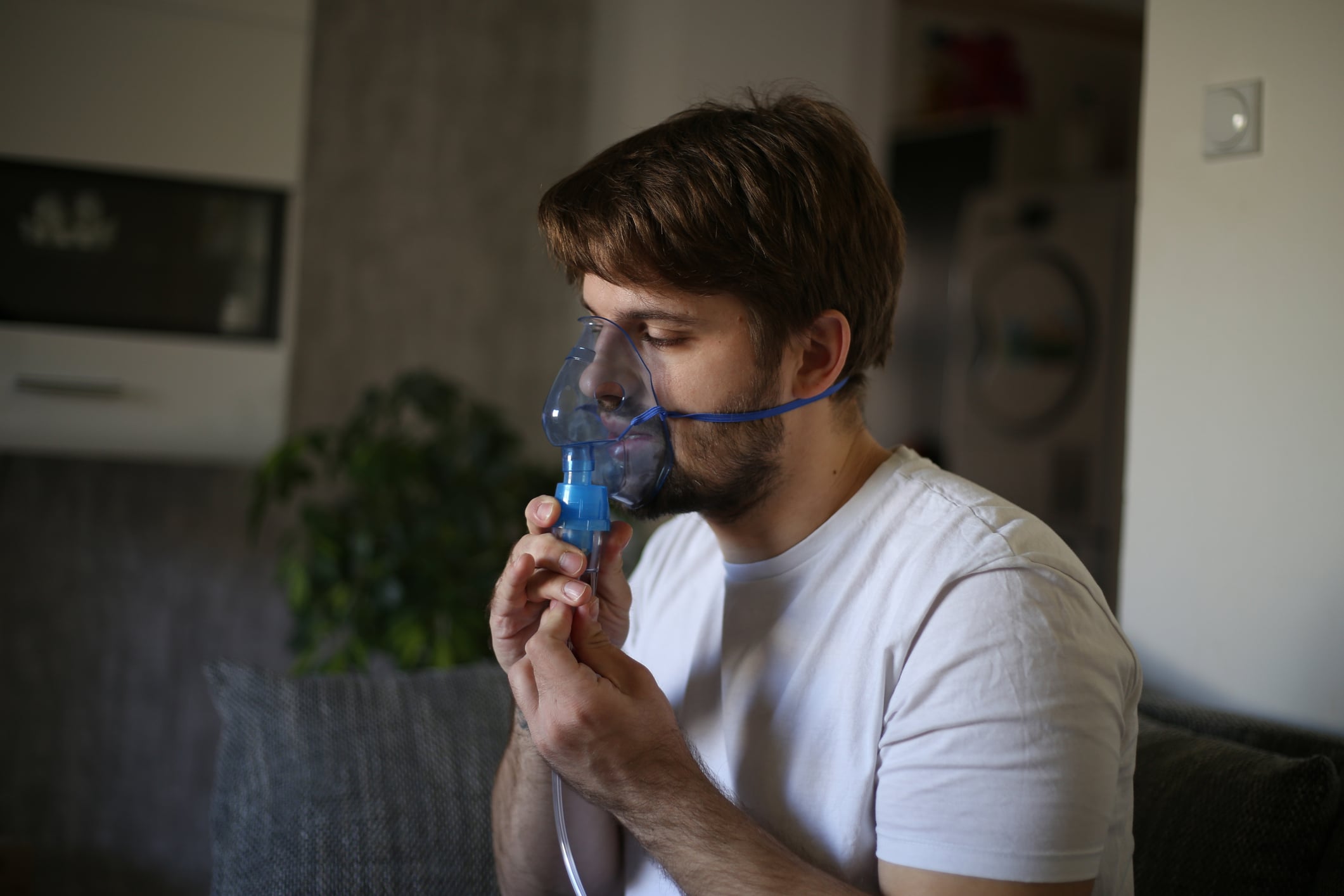
It’s probably some kind of virus” is a common statement, not only in everyday life when someone feels ill, but not infrequently in the doctor’s office.

We hear them in the patients’ conversation with the practice assistant, but we also use them in the consultation. I find this “saying” very meaningful. In the collective consciousness, it implies that it is something common, even normal; something that needs no additional diagnostic intervention, but also no causal therapy, because “there is nothing you can do anyway” and it “passes by itself.”

And what sounds like a nihilistic excuse is often true: Viral illnesses with respiratory or gastrointestinal symptoms along with (sub)febrile temperatures and some headache and limb pain are common, almost always self-limiting, and harmless. After a brief history and physical examination to rule out danger signs of a more serious illness, “some virus” leads the family physician to the useful medicine of accompanying in the natural healing process and the patient to reassurance and confidence in his healing powers. By not using molecular biological amplification methods for the specific diagnosis of the virus and by not using unnecessary antibiotic therapies, we remain cost-conscious and do not contribute to the rapidly developing problem of bacterial resistance.

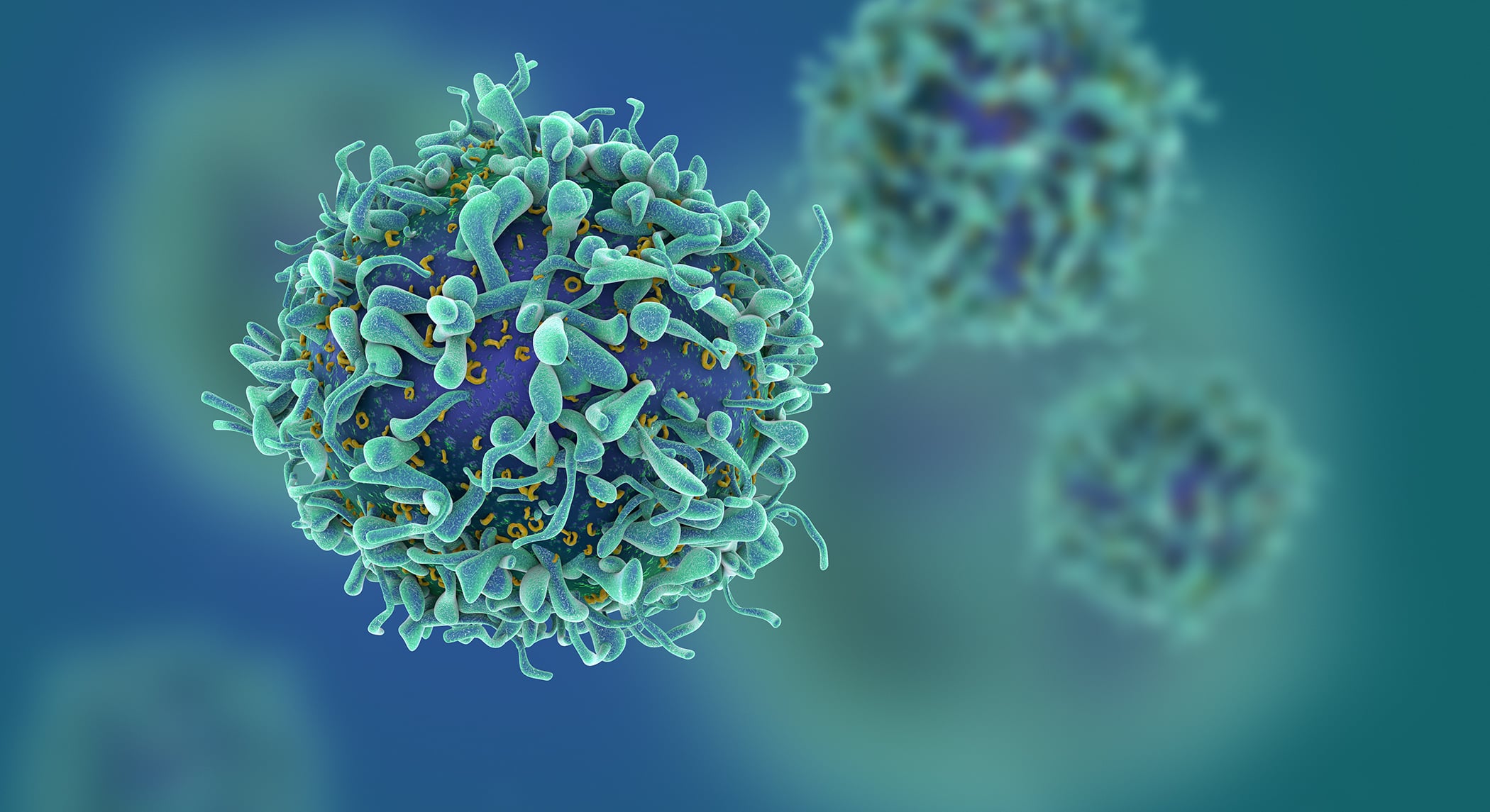
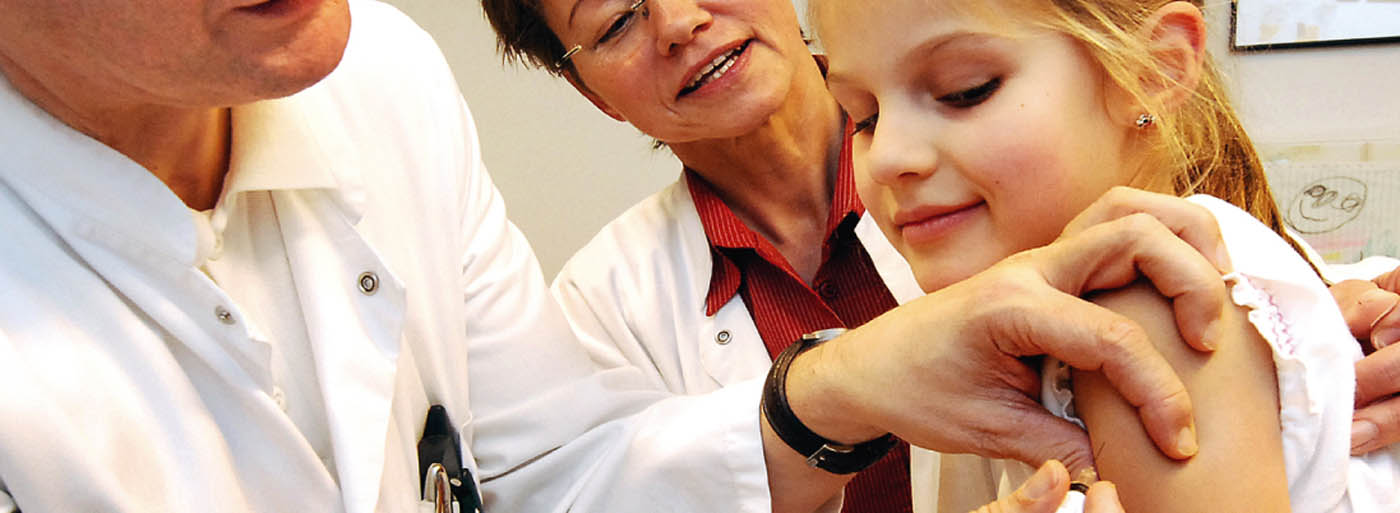
However, not all viral infections are self-limiting and harmless, and for a long time conventional medicine had hardly any effective antiviral therapies available against them. Vaccination against many of these diseases became established as a preventive measure. Herd immunity with population vaccination coverage of over 95% has the potential to eradicate viral diseases whose only host is humans (e.g., smallpox, polio, measles) or at least cause them to disappear in a geographic region (see articles by Niederer-Loher, Schöbi). Against other life-threatening diseases with an animal reservoir, such as yellow fever, early summer meningoencephalitis or rabies, vaccinations exist that guarantee practically 100% protection for persons at risk (cf. article by Beck).

The search for effective vaccines against chronic viral diseases such as HIV and hepatitis C has so far been unsuccessful. Highly effective antiviral chemotherapeutics have been and are being developed against these viruses, which can cure these deadly diseases (hepatitis C) or suppress their activity to such an extent that an almost normal life expectancy results and the infected people can no longer pass on this infection (HIV, cf. article by Staehelin, Hauser, Furrer).

In order for our population to benefit optimally from our prophylactic and therapeutic means, we must explain to our patients, but also already to our children, that not all diseases are “some virus”.

Prof. Dr. med. Hansjakob Furrer

Publikation
  • HAUSARZT PRAXIS
Related Topics
  • antiviral therapies
  • Infectious diseases
  • Vaccination
  • Virus
Previous Article
  • Travel medicine

Do you know which vaccinations are necessary and which are recommended?

  • Allergology and clinical immunology
  • Education
  • Infectiology
  • Prevention and health care
  • RX
  • Tropical and travel medicine
View Post
Next Article
  • Eradication by vaccination

Utopia or eutopia?

  • Education
  • Infectiology
  • RX
View Post
You May Also Like
View Post
  • 9 min
  • Polycystic ovary syndrome 2025/2026

New pathophysiology, updated diagnostics and the age of incretin mimetics

    • Education
    • Gastroenterology and Hepatology
    • General Internal Medicine
    • Gynecology
    • Pharmacology and toxicology
    • RX
    • Studies
View Post
  • 14 min
  • Heart failure and type 2 diabetes

Oral semaglutide and cardiac decompensation in type 2 diabetes

    • Cardiology
    • Education
    • Endocrinology and Diabetology
    • RX
    • Studies
View Post
  • 7 min
  • Atopic dermatitis as a door opener for an atopic cascade?

AD trajectories: Summary of current findings

    • Allergology and clinical immunology
    • Congress Reports
    • Dermatology and venereology
    • RX
    • Studies
View Post
  • 11 min
  • New evidence on descensus, urinary incontinence and the future of reconstruction

Urogynecology and pelvic floor surgery 2026

    • Education
    • General Internal Medicine
    • Gynecology
    • Physical medicine and rehabilitation
    • RX
    • Studies
    • Surgery
    • Urology
View Post
  • 8 min
  • Proteins in wound healing

Do special amino acids lead to success?

    • CME continuing education
    • Dermatology and venereology
    • Endocrinology and Diabetology
    • Nutrition
    • RX
    • Studies
View Post
  • 5 min
  • Case study

Autosomal recessive polycystic kidney disease: atypical phenotype

    • Cases
    • Education
    • Gastroenterology and Hepatology
    • Genetics
    • Nephrology
    • RX
View Post
  • 12 min
  • Current evidence, risk classes and new counseling options

Hormonal contraception and cardiovascular risk

    • Cardiology
    • Education
    • Gynecology
    • Neurology
    • Pharmacology and toxicology
    • RX
    • Studies
View Post
  • 4 min
  • Acute otitis media: self-limiting course vs. "red flags"

In which cases are antibiotics necessary?

    • Congress Reports
    • General Internal Medicine
    • Infectiology
    • ORL
    • Pediatrics
    • RX
  • IBD matters

    Zum Thema
Top CME content
  • 1
    Do special amino acids lead to success?
  • 2
    Current status of PAT
  • 3
    Surgical wound complications
  • 4
    Do special amino acids lead to success?
  • 5
    Functional limb preservation between infection control, vascular medicine and resurfacing

Newsletter

Sign up and stay up to date

Subscribe
Medizinonline Medizinonline
  • Contact
  • General terms and conditions
  • Imprint

Input your search keywords and press Enter.