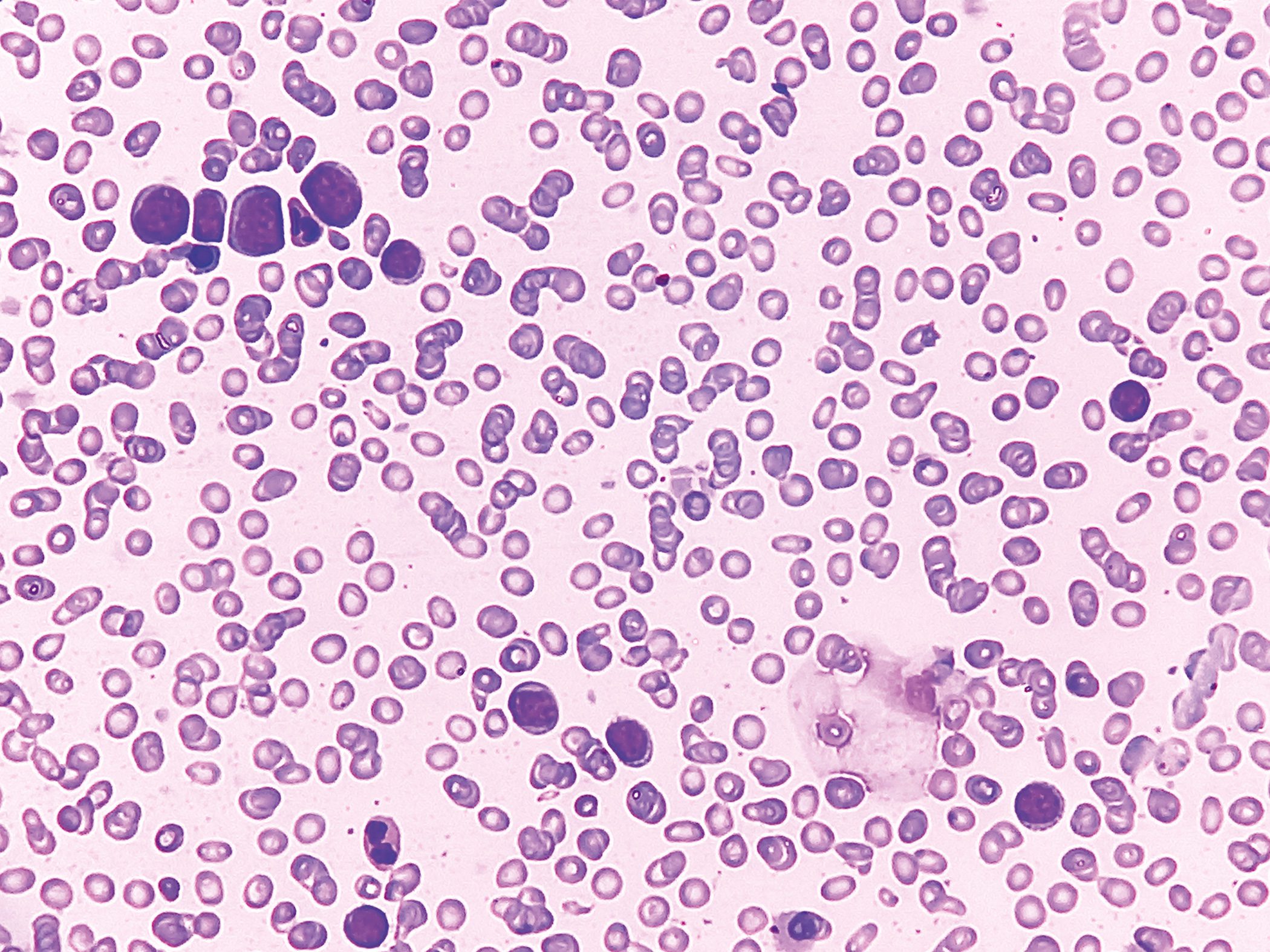
Acute myeloid leukemia (AML) is often classified as an oncologic emergency leading to rapid evaluation and treatment in the hospital. Previous studies reported that time from diagnosis to treatment (TDT) had no impact on outcomes, but these data were limited to patients already intensively pretreated and/or not living in the US. A new study in adults with newly diagnosed AML, presented at ASH, comes to new conclusions.
Autoren
- Birke Dikken
Publikation
- InFo ONKOLOGIE & HÄMATOLOGIE
Related Topics
You May Also Like
- Diabetic ketoacidosis
Recommendations for action in practice
- Migraine: better quality of life thanks to multimodal care
Broader selection of innovative migraine prophylactics and acute therapies
- Therapy of non-tumor-related pain
Do not prescribe opioids lightly for musculoskeletal pain
- Migraine
Fremanezumab for comorbid migraine and depression
- Case study
Moyamoya disease in a 23-year-old female patient
- Dapagliflozin for T2D and heart failure
Epicardial fat reduced in patients with type 2 diabetes and HF
- A hub of biological aging
Mitochondrial dysfunction and energy metabolism
- Health Literacy