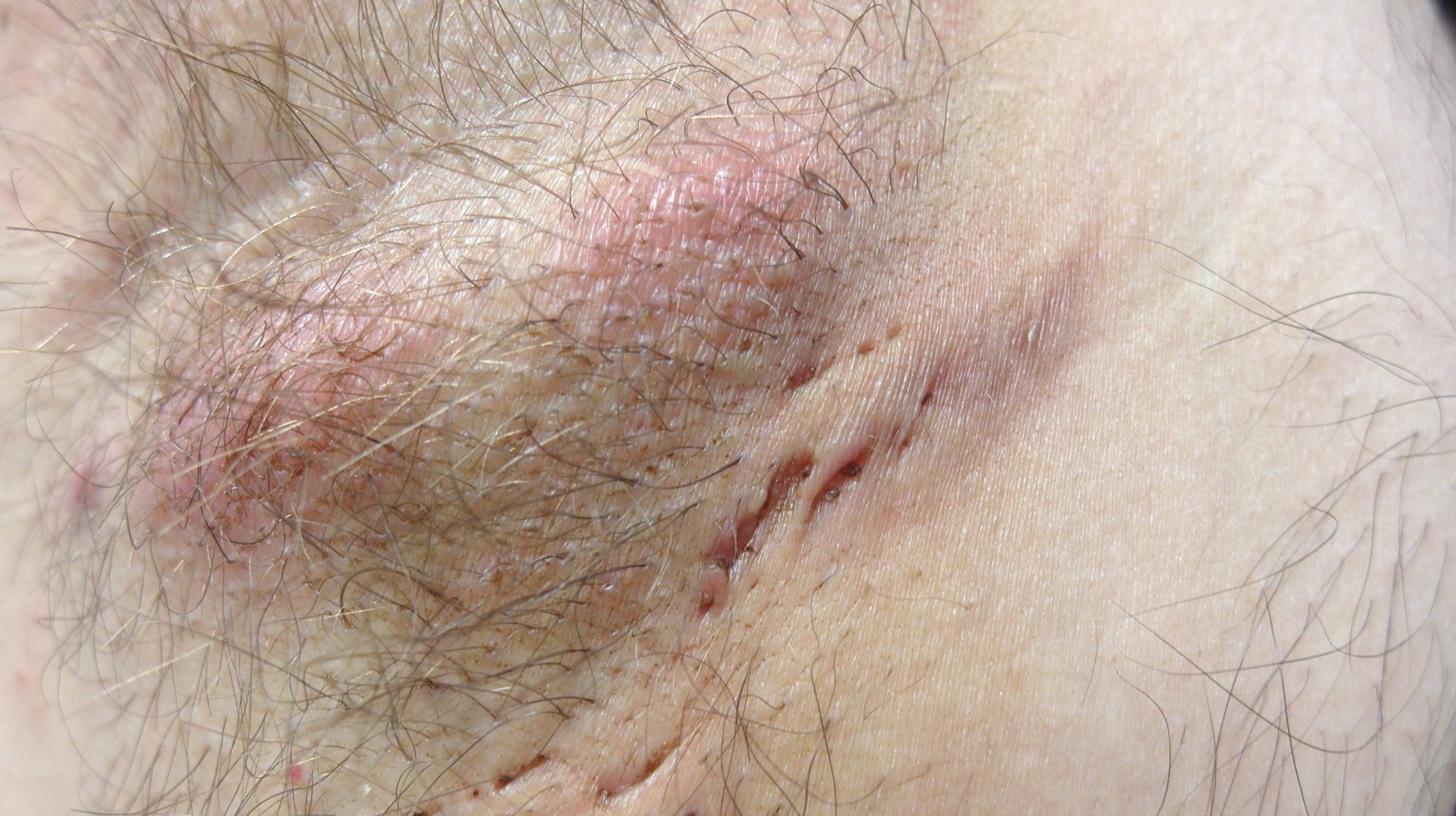
Due to its phenotypic heterogeneity and multifactorial pathogenesis, hidradenitis suppurativa is a complex disease that can be difficult to treat. Fortunately, research has achieved significant breakthroughs in the recent past, which is reflected in the fact that several biologics are now available and a number of drug candidates from the field of monoclonal antibodies and small molecules are being tested in trials. The further development of the therapy spectrum and other innovations are reflected in the recently published European S2k guideline.
Autoren
- Mirjam Peter, M.Sc.
Publikation
- DERMATOLOGIE PRAXIS

Related Topics
You May Also Like
- Vector-borne infections with skin manifestations
Arboviruses and leishmaniasis in Europe
- Multimorbidity and functional capacity in old age
Clarify individual health status and reduce risks
- Tick season: danger from early summer meningoencephalitis
TBE vaccination recommended for adults and children aged 3 and over
- New WHO guideline, updated stimulation protocols, focus on PGT-A
Fertility and reproductive medicine 2026
- Wound treatment
Surgical wound complications
- Proteins in wound healing
Do special amino acids lead to success?
- Psychedelic-assisted therapy
Current status of PAT
- Proteins in wound healing