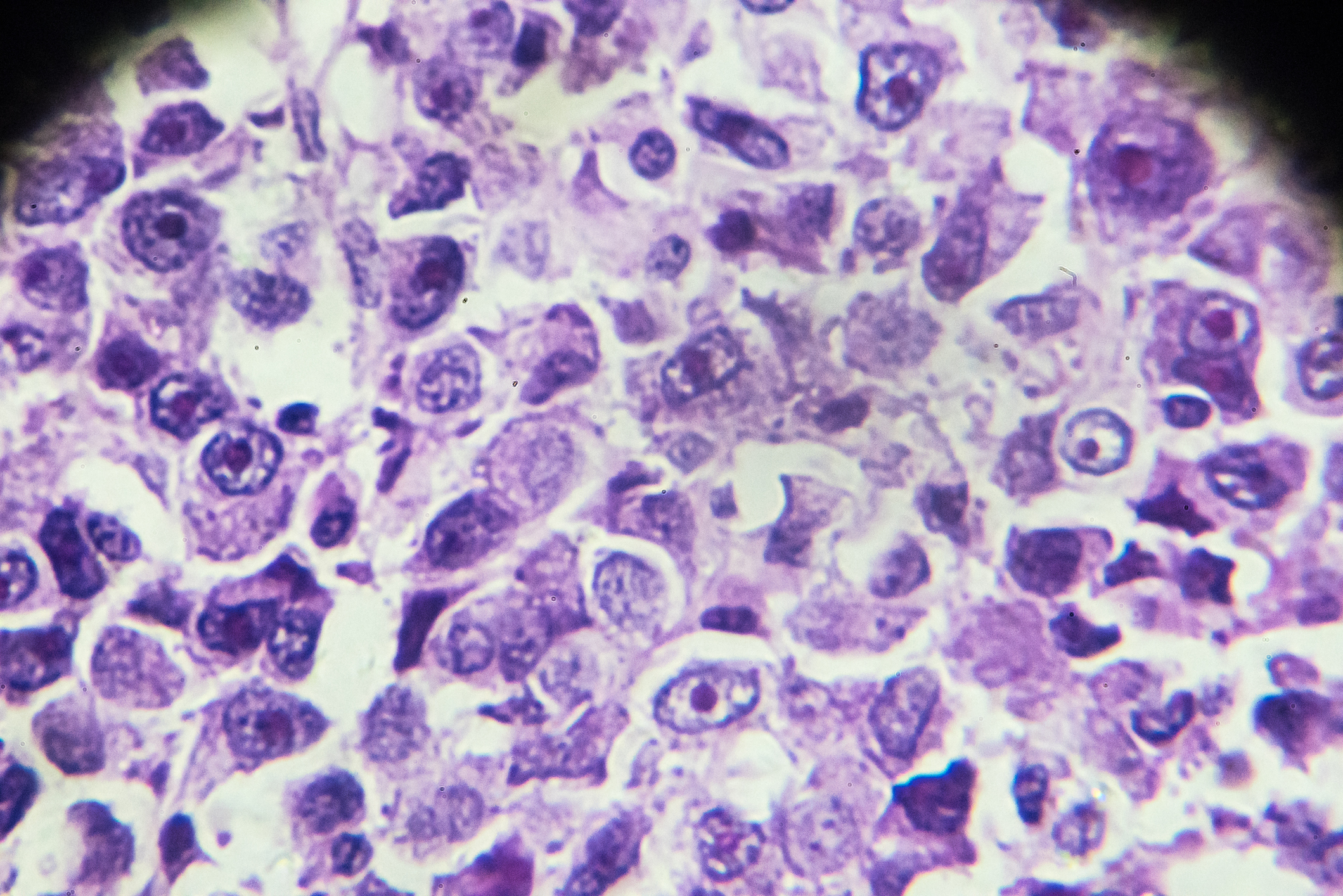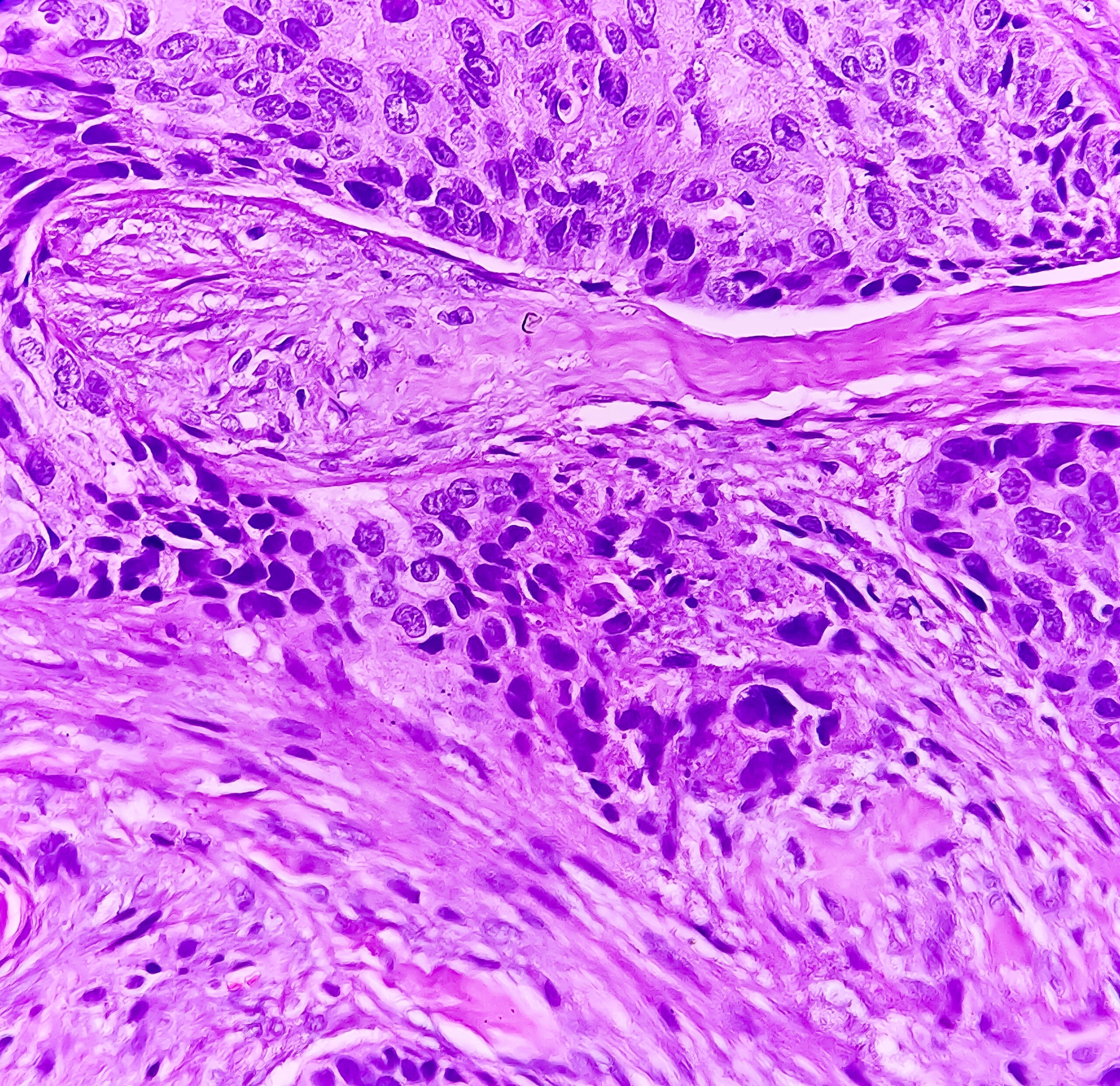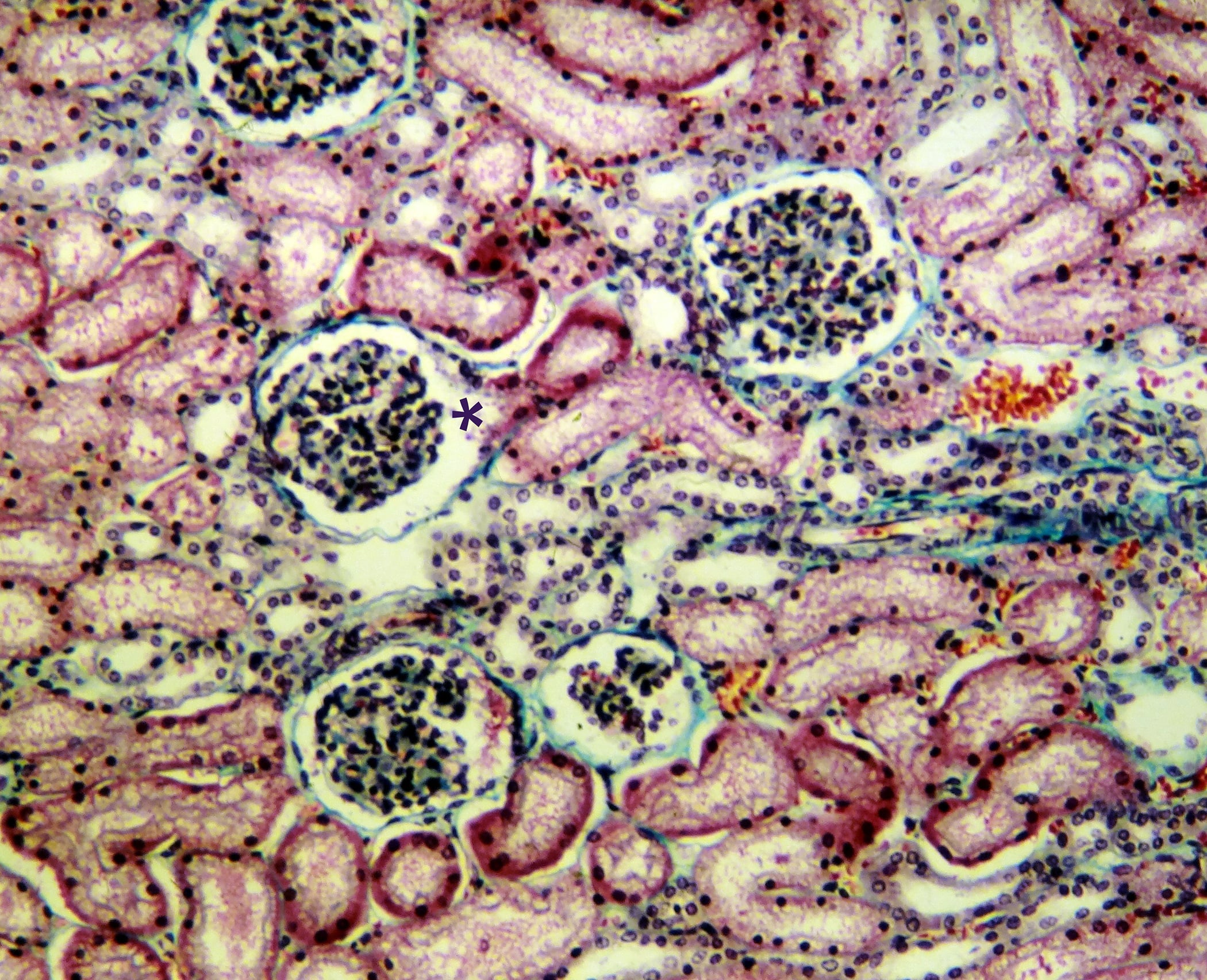
IgA nephropathy, also known as “Berger’s disease,” is the most common form of glomerulonephritis worldwide. It is an immune-mediated kidney disease diagnosed based on urine test results and a kidney biopsy. Advances in research into the pathophysiological mechanisms have led to the development of innovative treatment strategies, for which some Phase IIIdata—including fusion proteins targeting the cytokines BAFF and/or APRIL, as well as selective endothelin A receptor antagonists and complement inhibitors. Furthermore, there is also interesting news regarding treatment options for IgAN that have also cleared regulatory hurdles in Europe.
Related Topics
- ALIGN
- APRIL
- Atacicept
- Atrasentan
- BAFF
- Berger's disease
- BION-1301
- Cigarette Mustache
- Complement inhibitors
- Cytokines
- Fusion proteins
- Glomerulonephritis
- IgA nephropathy
- immune-mediated kidney disease
- Kidney biopsy
- NEFIGAN
- NefIgArd
- NefXtend
- oral budesonide
- ORIGIN
- PROTECT
- Ravulizumab
- selective endothelin A receptor antagonists
- Sibeprenlimab
- Sparsentan
- Telitacicept
- Urinalysis Results
- VISIONARY
You May Also Like
- Ischemic stroke: Are smaller or larger brain arteries affected?
Recent study findings on intravenous lysis therapy with fibrinolytic agents
- Interview
“On par with the gold standards for trauma”
- Psychology: Emotional Freedom Techniques (EFT)
Emotional Healing Through Tapping
- Systemic Lupus (SLE): What Does the Diagnosis and Treatment Toolbox Have to Offer?
Treat-to-Target – Consensus Recommendations for GC Tapering and the Use of DMARDs
- Interstitial Lung Diseases
Update on Idiopathic Pulmonary Fibrosis
- Psychedelic-assisted therapy
Current status of PAT
- Psoriasis and Obesity: Effects of Incretin-Based Therapies
Clinical trials shed light on the potential of semaglutide, liraglutide, and tirzepatide
- Eosinophils in the Blood in COPD