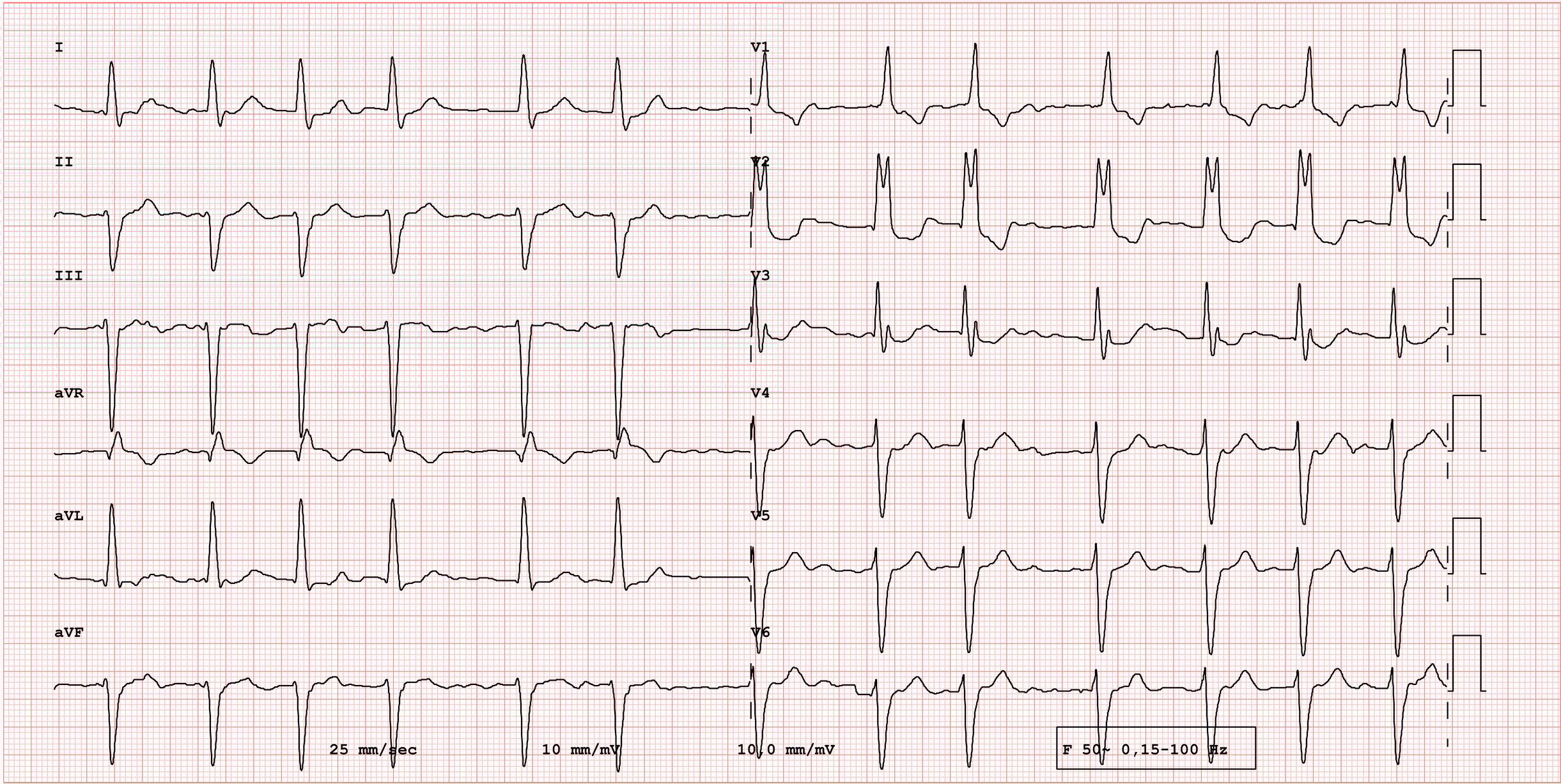
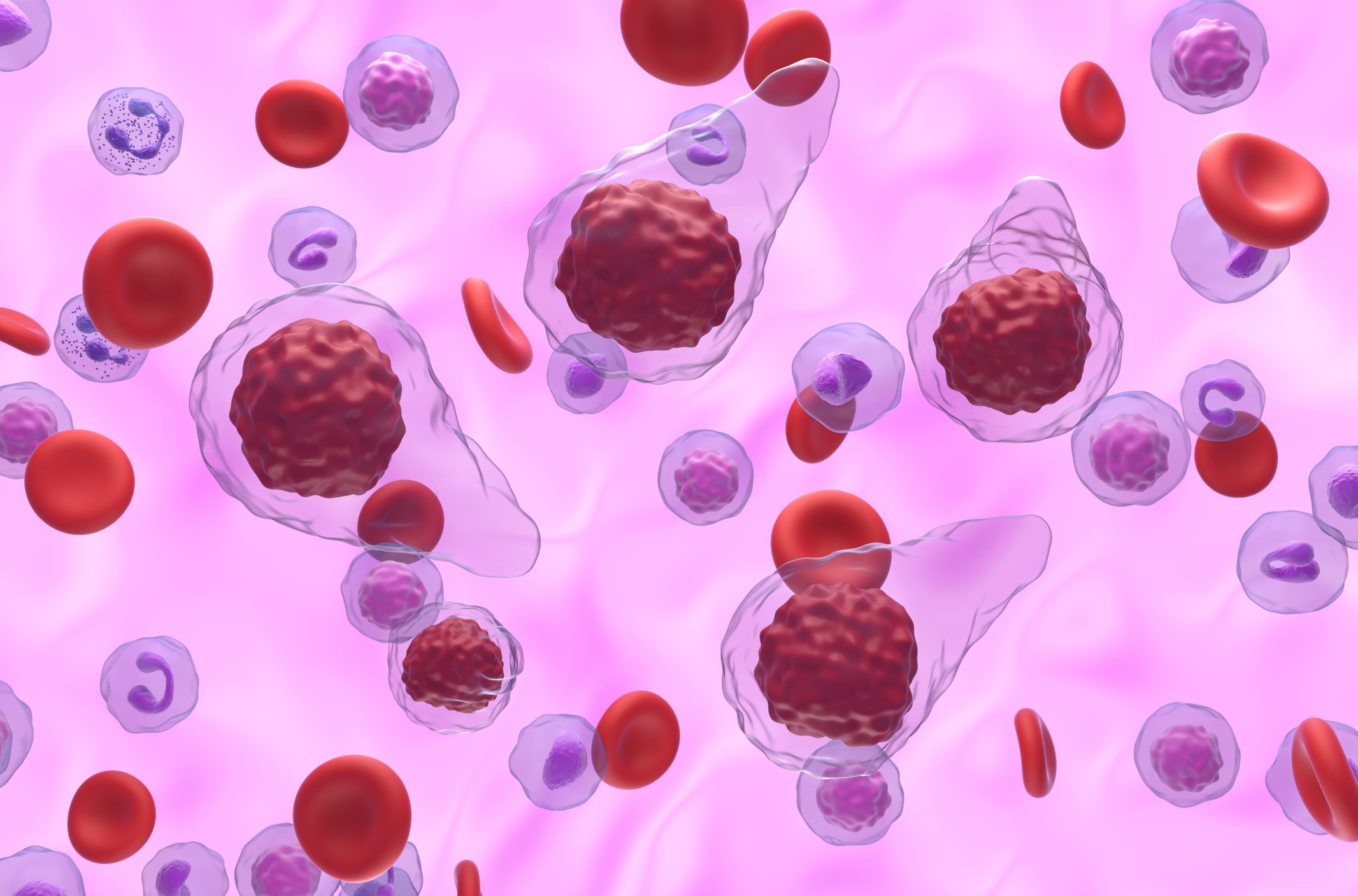
The term “DIDMOAD” syndrome – an acronym for the characteristic symptoms – serves as an alternative name for this autosomal recessive neurodegenerative disease, which was first described in 1938: Diabetes Insipidus, Diabetes Mellitus, Optic Atrophy and Deafness/Deafness. In the majority of patients, mutations in the WFS1 gene can be detected.
Autoren
- Mirjam Peter, M.Sc.
Publikation
- HAUSARZT PRAXIS

Related Topics
You May Also Like
- Migraine: better quality of life thanks to multimodal care
Broader selection of innovative migraine prophylactics and acute therapies
- Therapy of non-tumor-related pain
Do not prescribe opioids lightly for musculoskeletal pain
- Migraine
Fremanezumab for comorbid migraine and depression
- Case study
Moyamoya disease in a 23-year-old female patient
- Dapagliflozin for T2D and heart failure
Epicardial fat reduced in patients with type 2 diabetes and HF
- A hub of biological aging
Mitochondrial dysfunction and energy metabolism
- Health Literacy
Promoting health literacy: from the abstract to the concrete level
- Pharmacological therapy