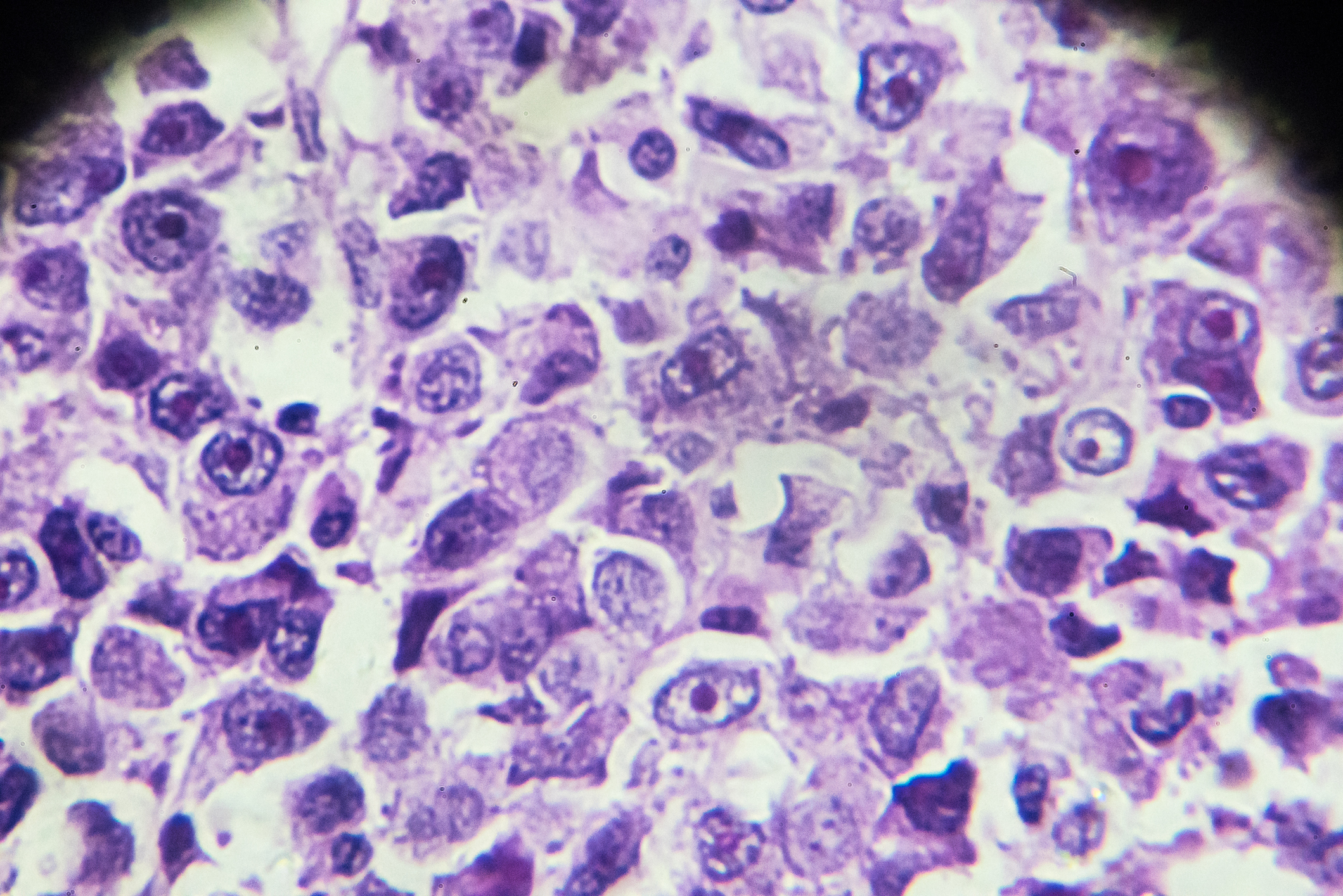
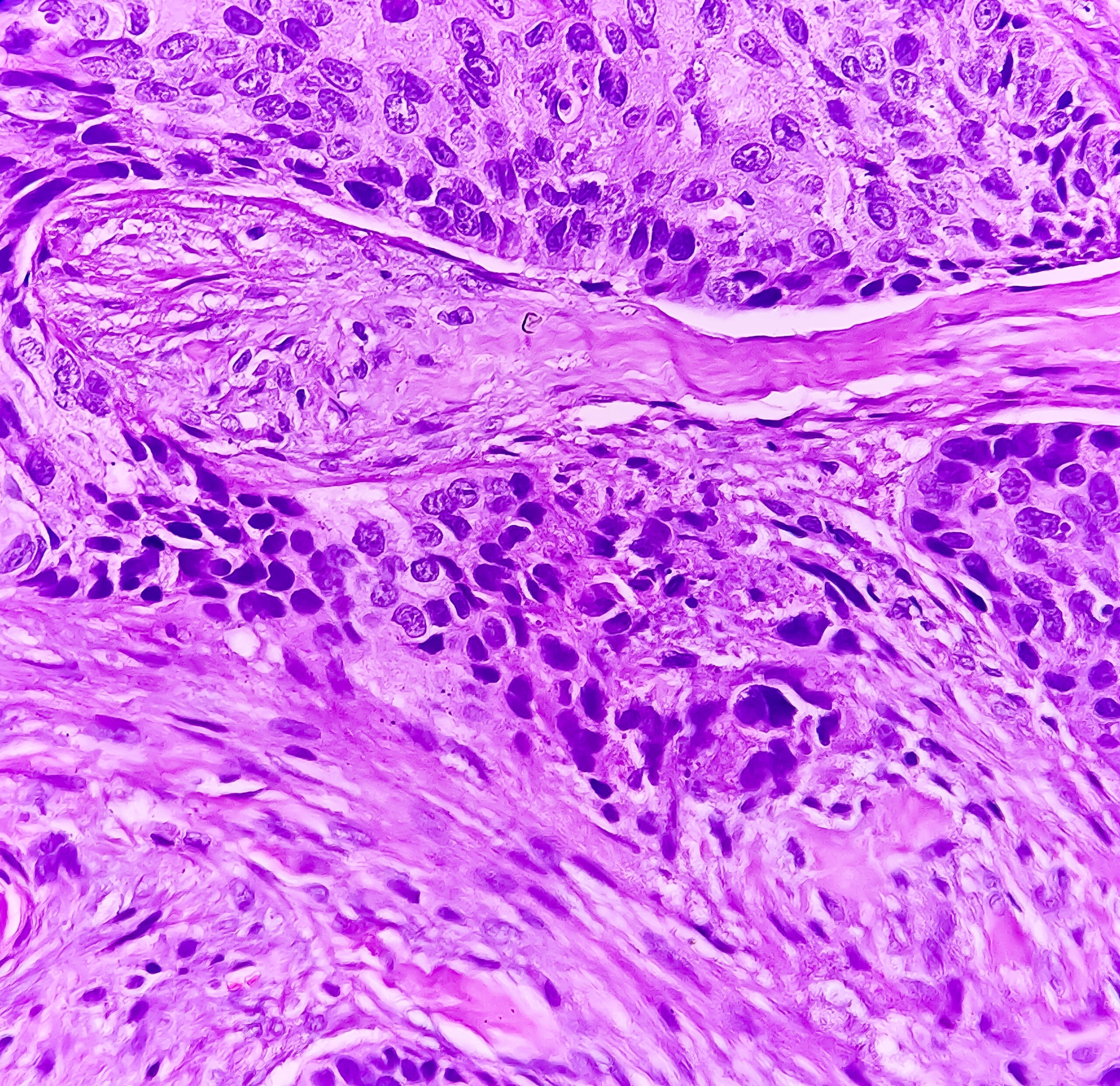
The term “DIDMOAD” syndrome – an acronym for the characteristic symptoms – serves as an alternative name for this autosomal recessive neurodegenerative disease, which was first described in 1938: Diabetes Insipidus, Diabetes Mellitus, Optic Atrophy and Deafness/Deafness. In the majority of patients, mutations in the WFS1 gene can be detected.
Autoren
- Mirjam Peter, M.Sc.
Publikation
- HAUSARZT PRAXIS

Related Topics
You May Also Like
- Proteins in wound healing
Do special amino acids lead to success?
- Case study
Autosomal recessive polycystic kidney disease: atypical phenotype
- Current evidence, risk classes and new counseling options
Hormonal contraception and cardiovascular risk
- Acute otitis media: self-limiting course vs. "red flags"
In which cases are antibiotics necessary?
- Prurigo nodularis: evidence-based treatment
Targeted therapy options on the rise
- MACE risk, heart failure incidence and all-cause mortality
Metabolic syndrome as a cardiovascular risk factor
- Glaucoma in old age: slowing down progression
IOP lowering is currently the only evidence-based treatment
- Vector-borne infections with skin manifestations