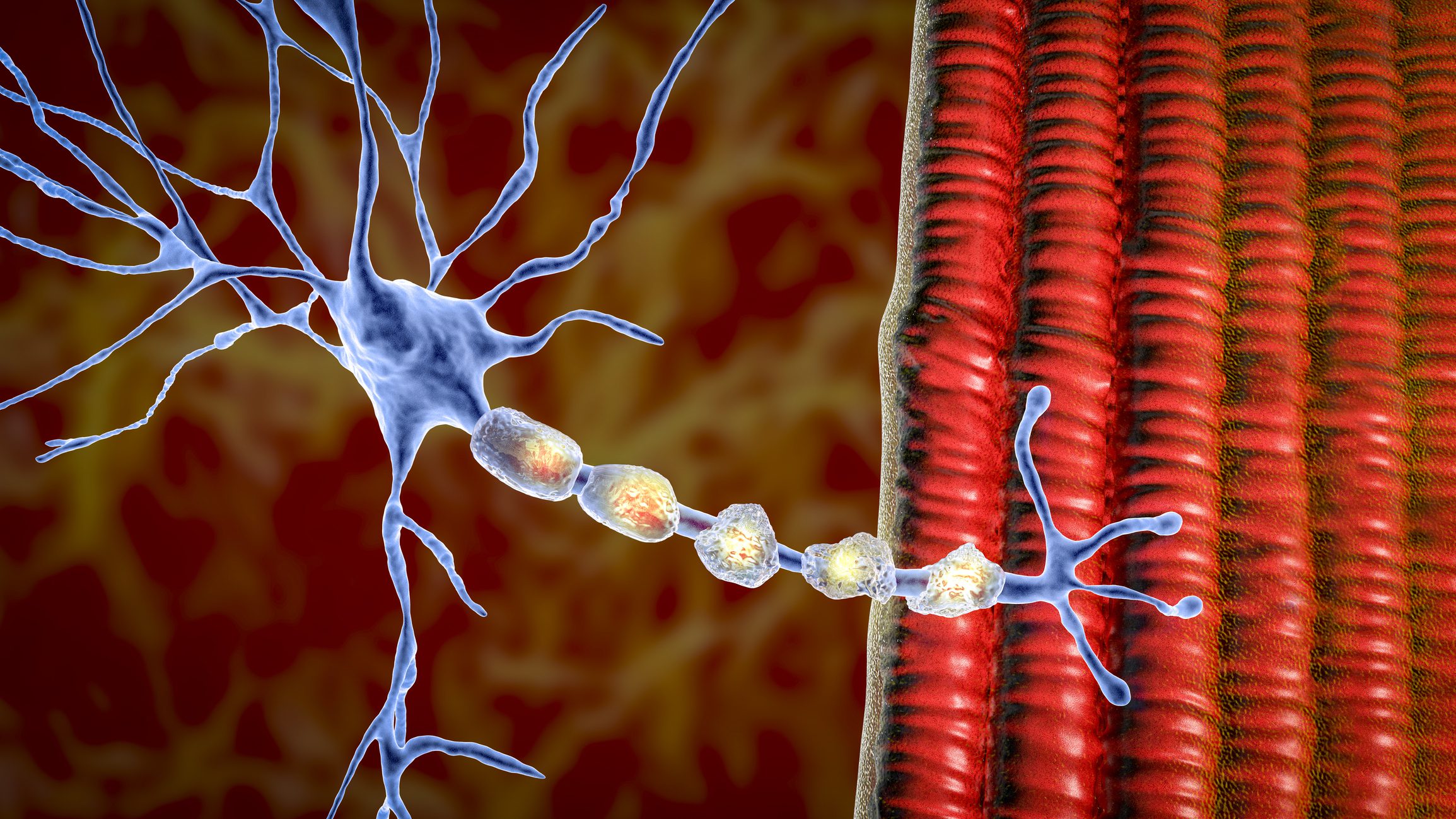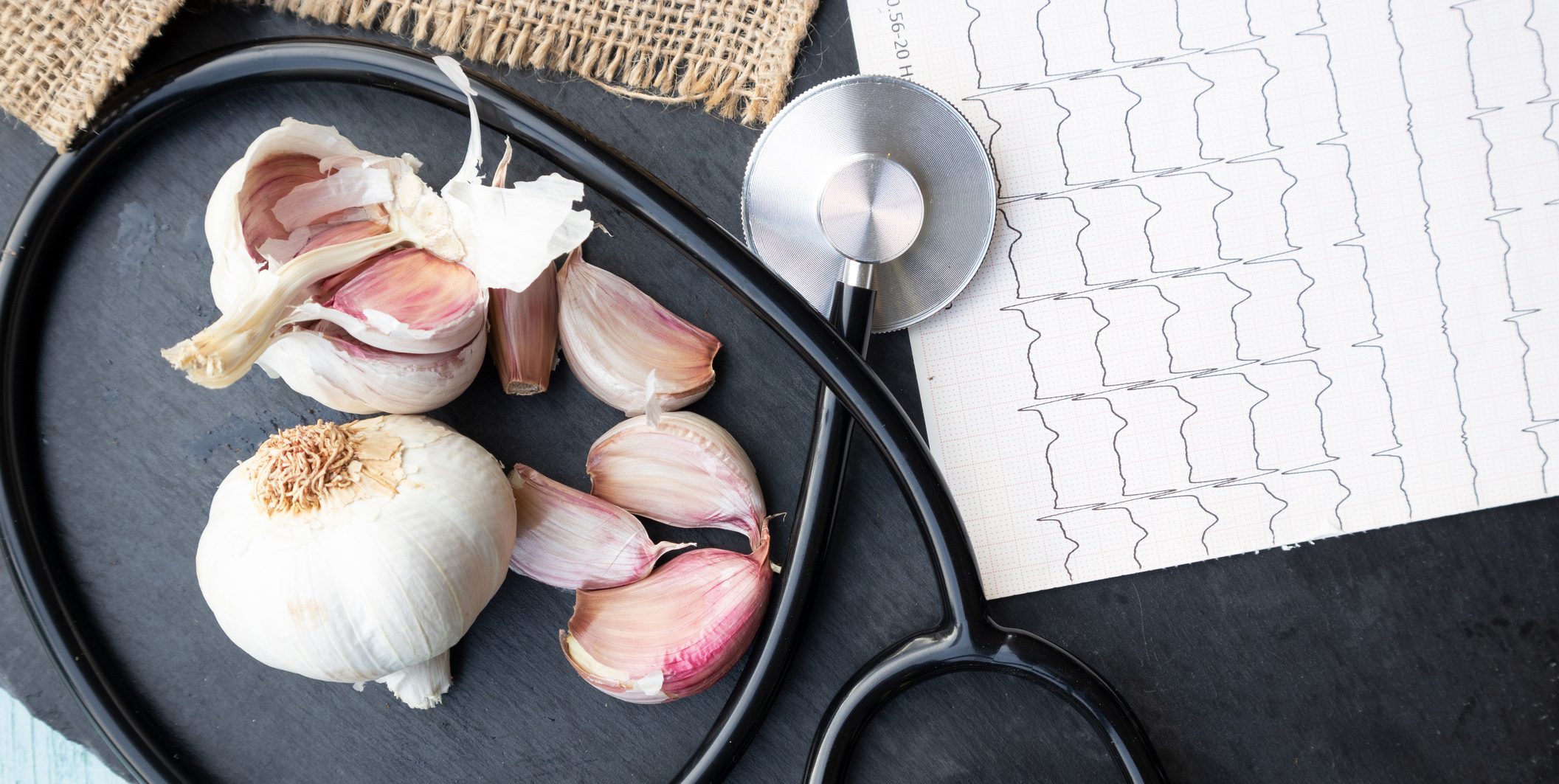
Arterial hypertension is a key risk factor for the development of cardiovascular disease worldwide. It is one of the most frequently diagnosed conditions in GP care and requires consistent, guideline-based treatment. Despite the good efficacy and availability of classic antihypertensives, however, blood pressure control in daily practice often remains inadequate. The search for supportive or alternative forms of therapy is therefore becoming increasingly important. Against this background, garlic (Allium sativum) is increasingly coming into focus.
Autoren
- Tanja Schliebe
Publikation
- PHYTOTHERAPIE PRAXIS

Related Topics
You May Also Like
- Vitiligo - the level of suffering should not be underestimated
A lot can be achieved therapeutically nowadays
- Patient-centered rounds in medicine
Aligning care with the patient
- Adrenogenital syndrome
Clinical care from birth to adulthood
- Communication between hospitals and outpatient care
How does a digital clinical information system prove itself in everyday practice?
- Acute myeloid leukemia
Treatment decisions between MRD monitoring, transplantation and CAR-T cells
- Psoriasis and metabolic comorbidities: new study data
GLP-1RAs showed a valuable dual benefit
- Heart failure: combination of four as "Guideline-Directed Medical Therapy"
Standard established at HFrEF with individual nuances
- Chronic inflammation as a driver of ageing