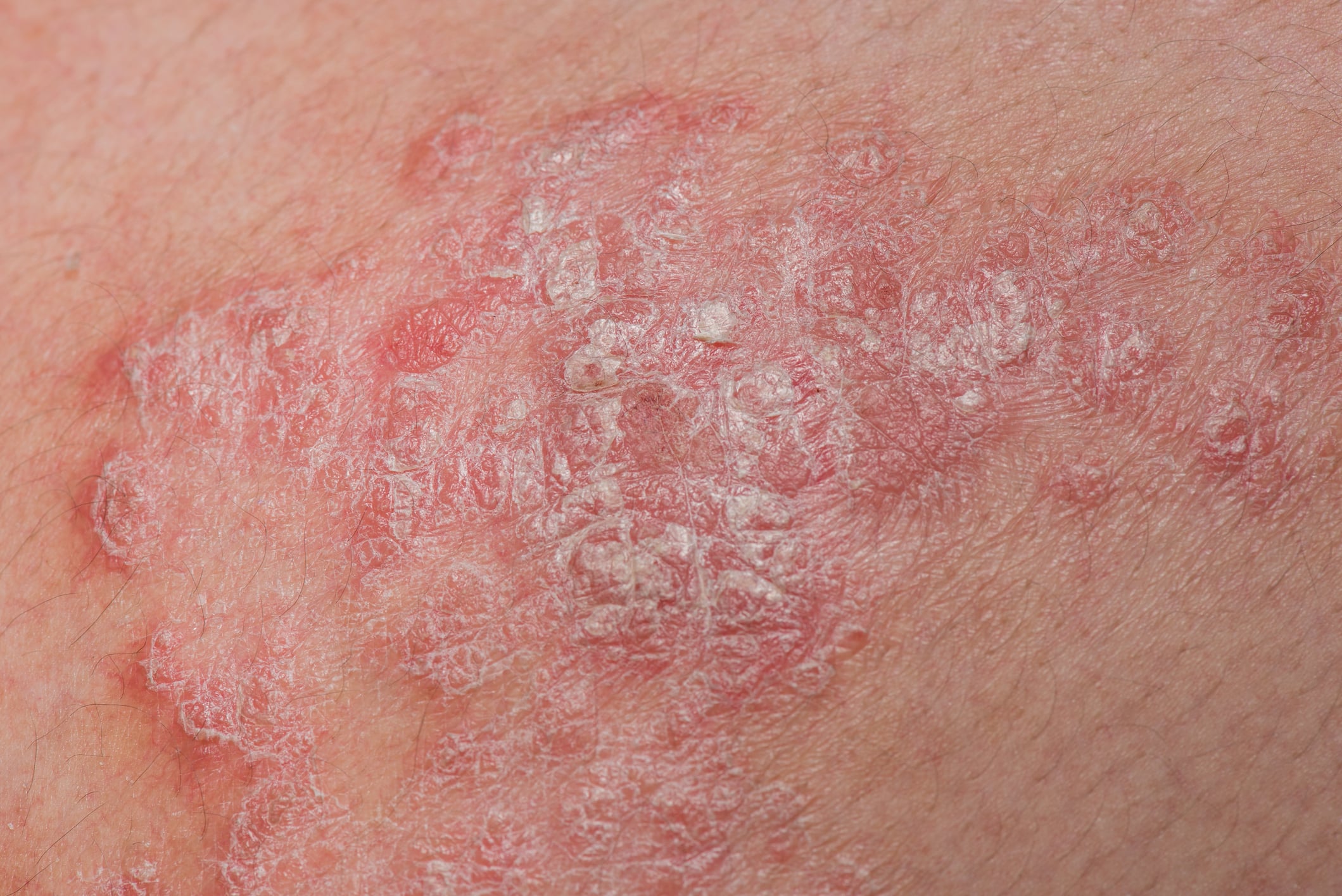
Atopic dermatitis is the most common chronic inflammatory skin disease in early childhood and is caused by a complex interaction of genetic and environmental factors. The quality of life of patients and their families is considerably impaired, mainly due to the unpleasant itching, restrictions in everyday activities, insomnia and the disfiguring, highly inflammatory skin changes. In addition, increased risks of autoimmune diseases have been described. Provocation factors, clinic, therapy and preventive measures are presented.
Autoren
- Prof. Dr. med. Regina Fölster-Holst
Publikation
- DERMATOLOGIE PRAXIS

Related Topics
You May Also Like
- Proteins in wound healing
Do special amino acids lead to success?
- Case study
Autosomal recessive polycystic kidney disease: atypical phenotype
- Current evidence, risk classes and new counseling options
Hormonal contraception and cardiovascular risk
- Acute otitis media: self-limiting course vs. "red flags"
In which cases are antibiotics necessary?
- Prurigo nodularis: evidence-based treatment
Targeted therapy options on the rise
- MACE risk, heart failure incidence and all-cause mortality
Metabolic syndrome as a cardiovascular risk factor
- Glaucoma in old age: slowing down progression
IOP lowering is currently the only evidence-based treatment
- Vector-borne infections with skin manifestations