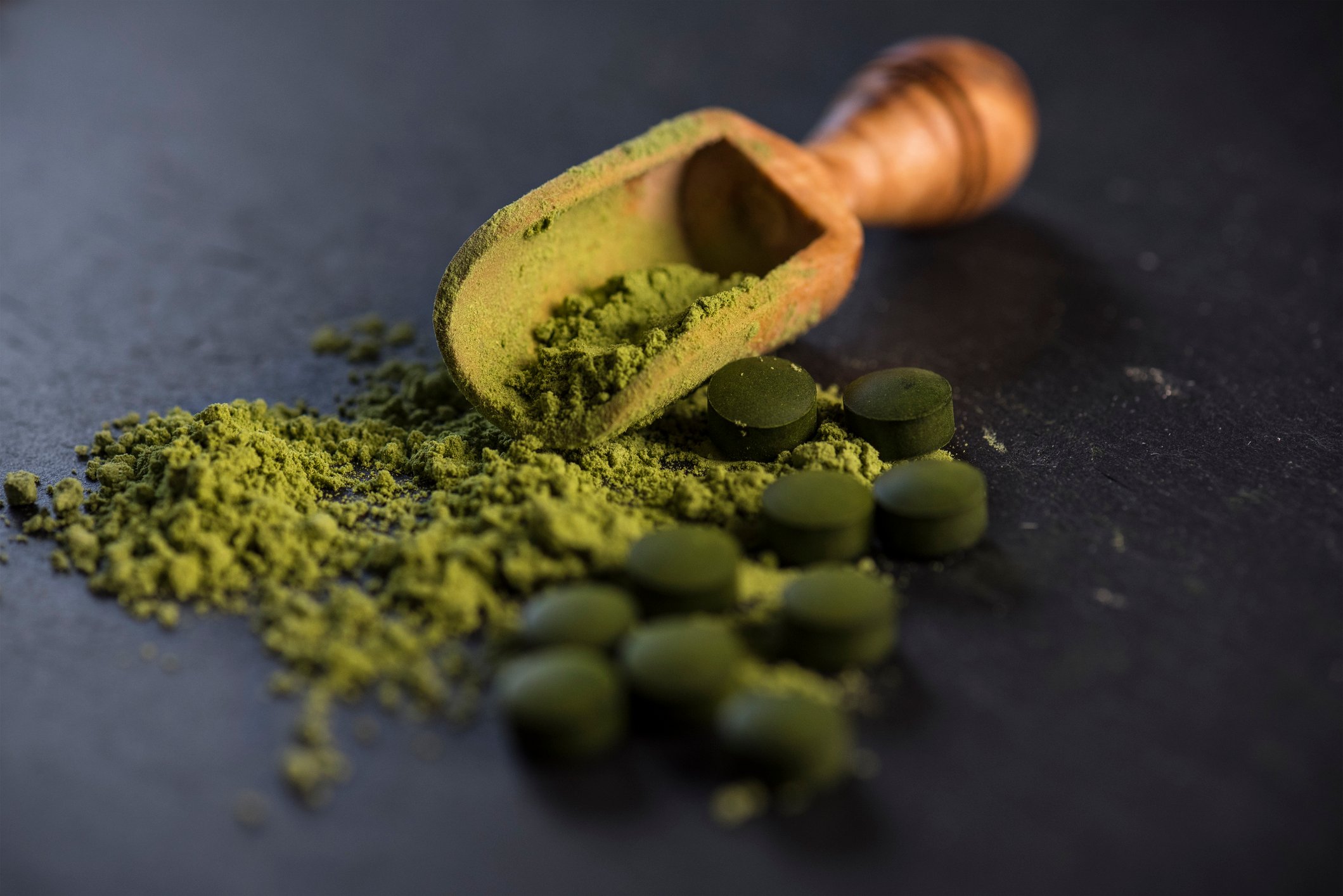
Disease-modifying therapies reduce relapse rates in multiple sclerosis. However, they often only incompletely address the aspects of oxidative stress and long-term neurodegeneration. Spirulina, a microalgae, is known for its strong antioxidant and anti-inflammatory properties due to its richness in phycocyanin, phenolic compounds and omega-3 fatty acids.
Autoren
- Dr. Ulf Blanke
Publikation
- InFo NEUROLOGIE & PSYCHIATRIE
Related Topics
You May Also Like
- Findings from research on the generalization of exposure therapy
Treatment of comorbid anxiety
- Symptom-free despite asthma?
Asthma treatment requirements have increased
- Phytotherapy for rhinosinusitis
Evidence, active substances and clinical classification for medical practice
- Pulmonary hypertension
PH and lung diseases
- Contact eczema
Causes and prevention at work
- Respiratory infections: viral bronchitis or bacterial pneumonia?
Old crucial question in the light of current findings
- What biomarkers reveal about "biological youth" - and what not (yet)
Epigenetic ageing
- Amyotrophic lateral sclerosis and nutrition