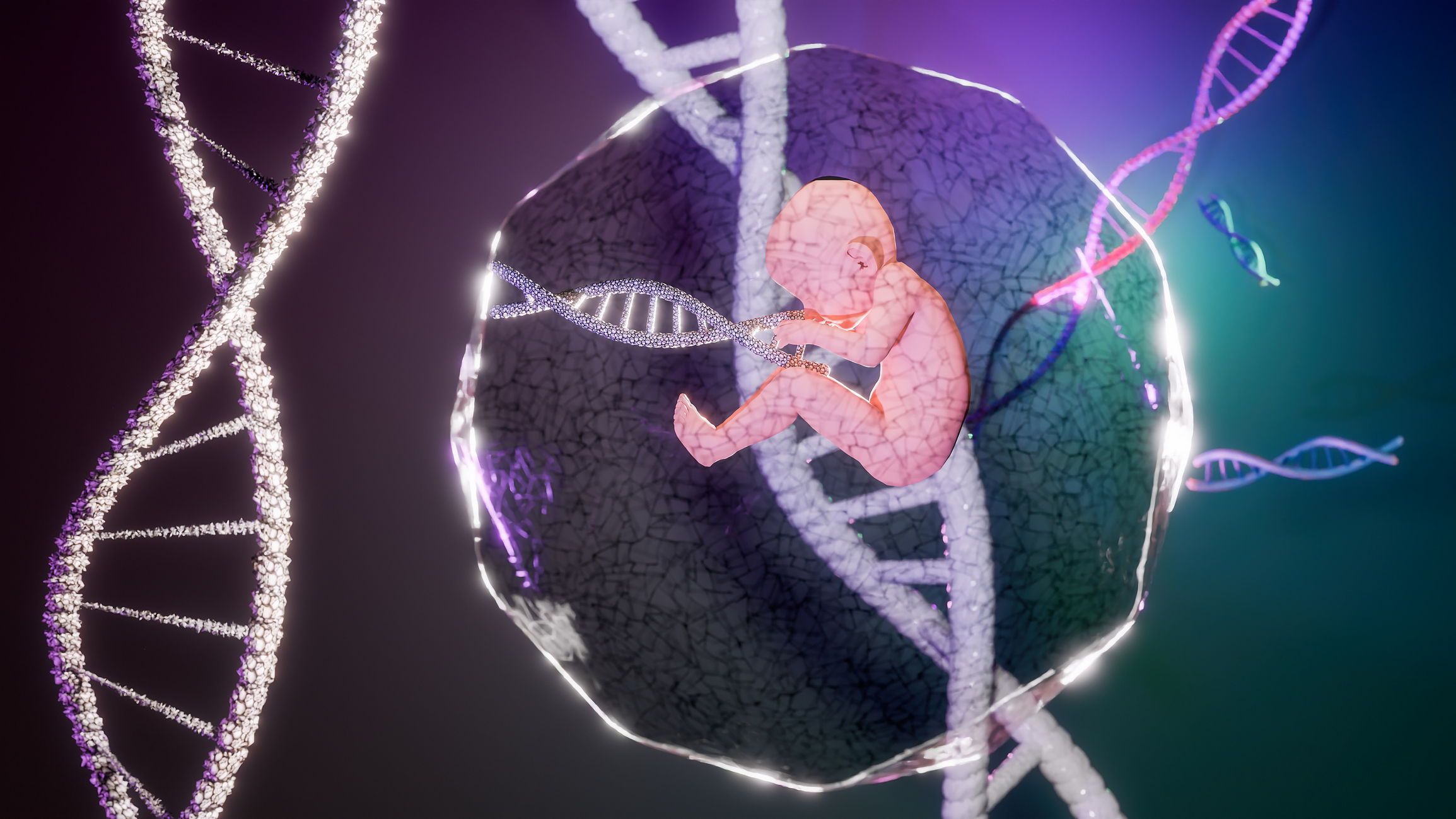
The patient, who had a phenotype characterized by hypertelorism, thick eyebrows and other features, was found to have a c.517C>T nonsense mutation in the KMT2A gene. This rare heterozygous mutation leads to a premature stop codon and haploinsufficiency. As the mutation was not detectable in the parents, it arose de novo in the patient. This case report emphasizes the importance of exome sequencing in the diagnosis of chromatinopathies, especially when clinical features overlap with other syndromes.
Autoren
- Mirjam Peter, M.Sc.
Publikation
- HAUSARZT PRAXIS

Related Topics
You May Also Like
- What the latest studies on the entire EF spectrum mean for clinical practice
Heart Failure – The 2026 Evidence Update
- Acute ischemic stroke
Alteplase and Tenecteplase Are on the Same Level
- CKD in People with Type 2 Diabetes: Evidence-Based, Optimized Treatment
SGLT-2 inhibitors and GLP-1 receptor agonists: significant improvement in renal outcomes
- Wearables: screening via smartwatch?
New study on atrial fibrillation in high-risk patients
- Peristomal skin health
Focus on preventive care options
- Planning a Family, Pregnancy, and Breastfeeding
Update on Anti-Rheumatic Medications
- Mental Health with GLP-1 RAs
Benefits of Semaglutide and Liraglutide
- Bronchiolitis obliterans