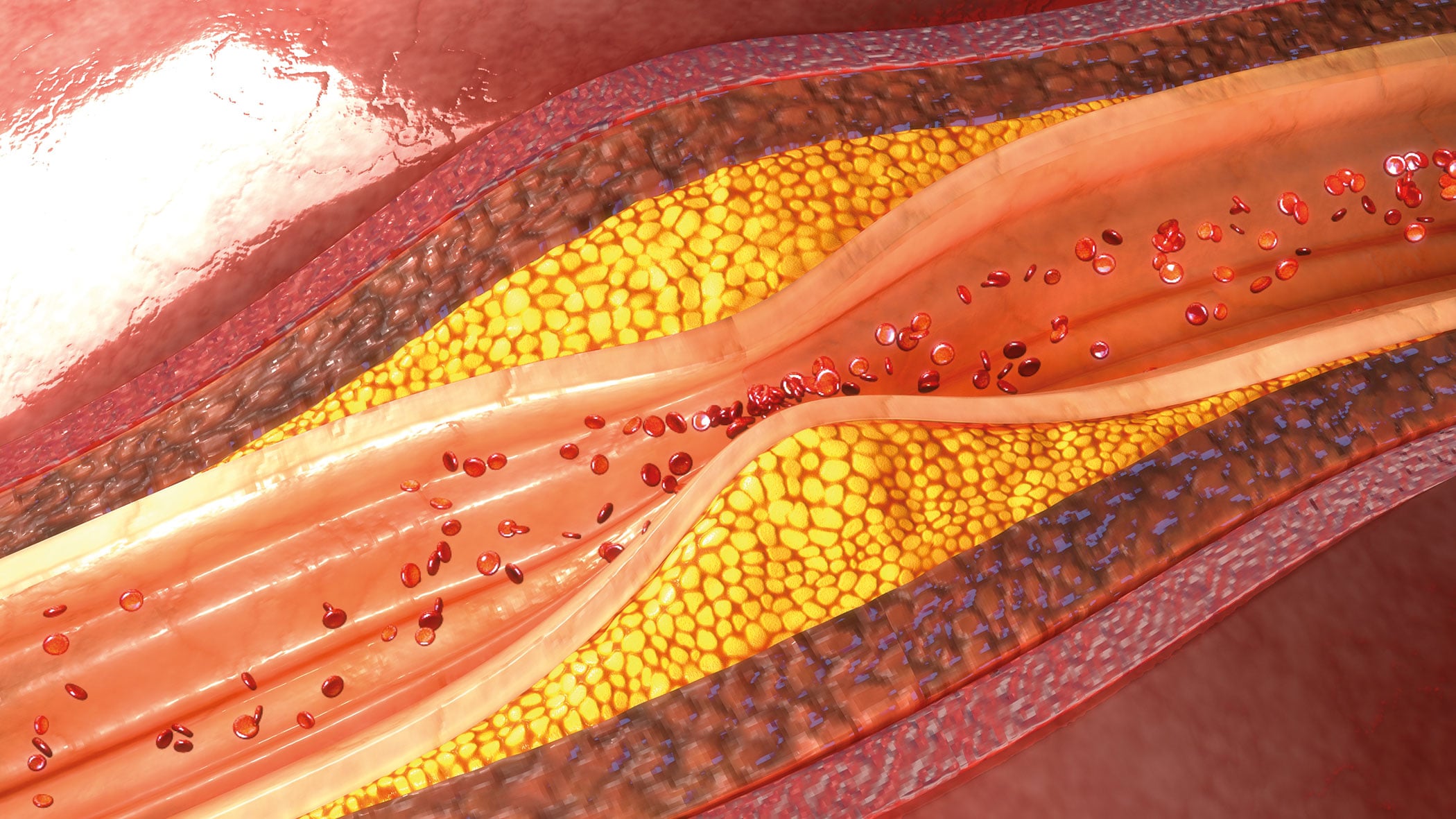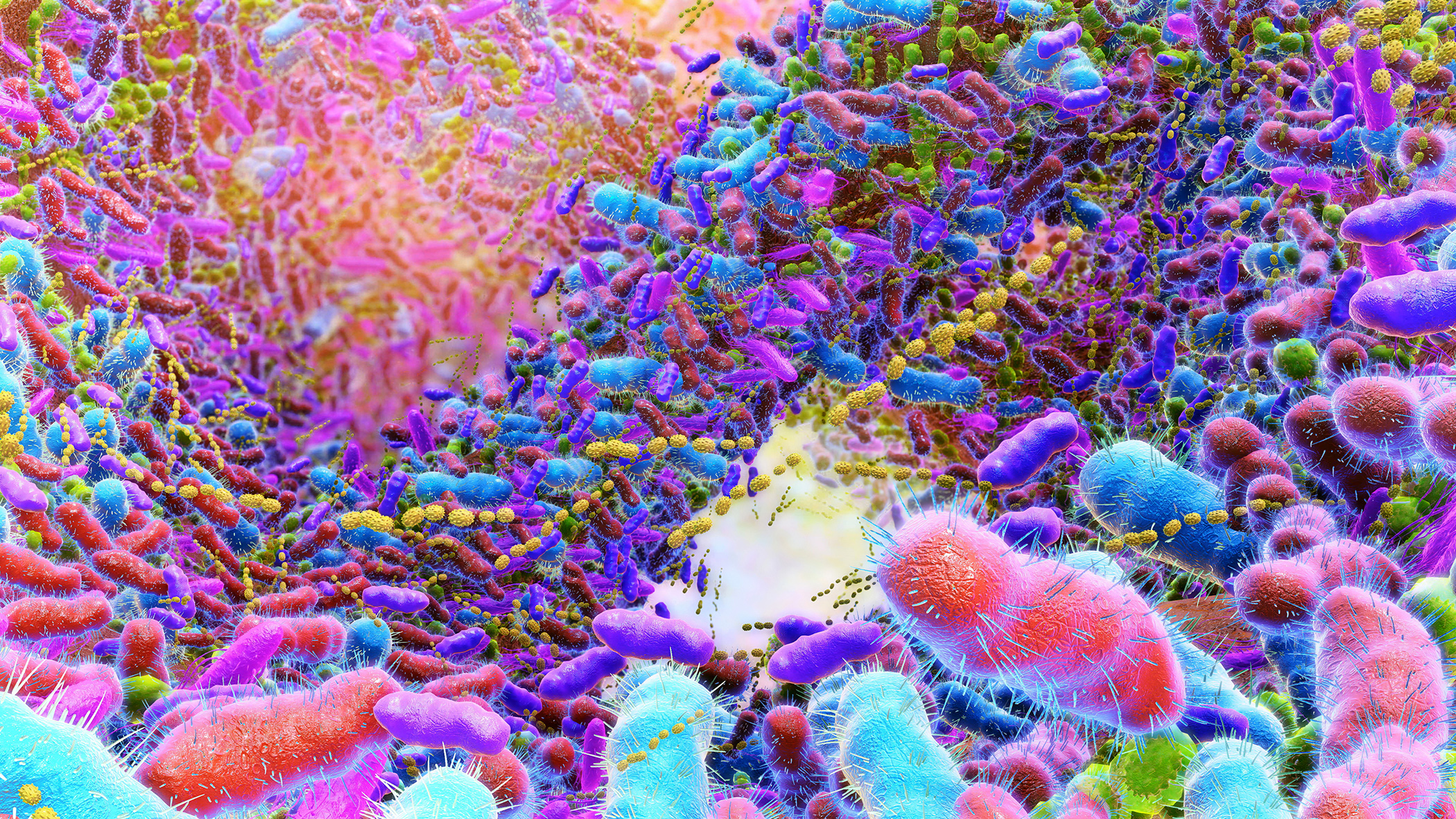
As we age, the composition and function of the gut microbiome, the integrity of the intestinal barrier and systemic immune regulation change. These changes are closely linked to the concept of “inflammaging” – a chronic, low-grade inflammatory activation that affects several hallmarks of aging, including mitochondrial dysfunction, cell senescence and neuroinflammation. At the level of the gut-brain axis, data are accumulating that microbiome-associated mechanisms can modulate mood, stress processing, cognitive function and the risk of neurodegenerative diseases via immune, neuroendocrine and neuronal signaling pathways.
Publikation
- Longevity-Special