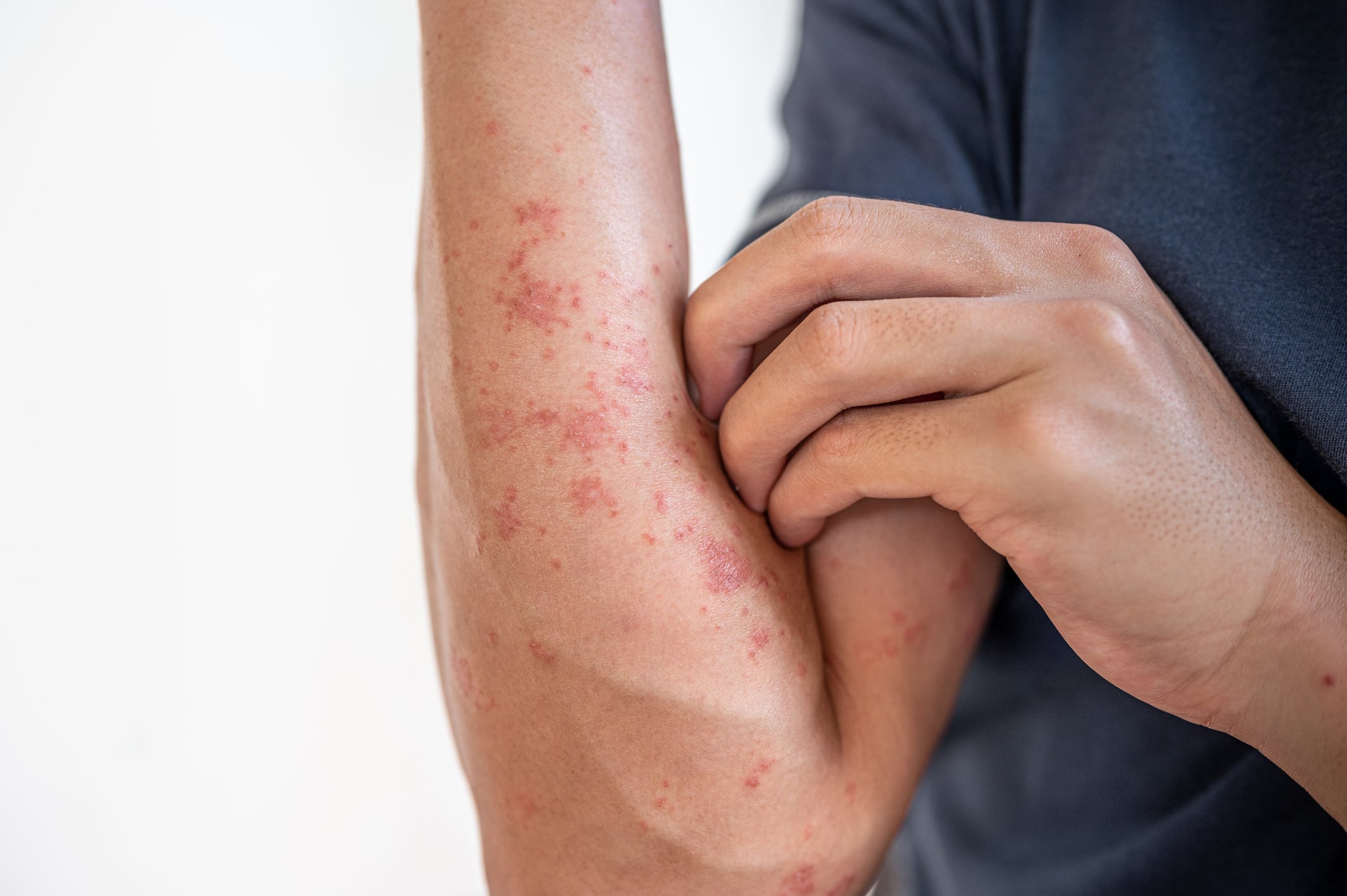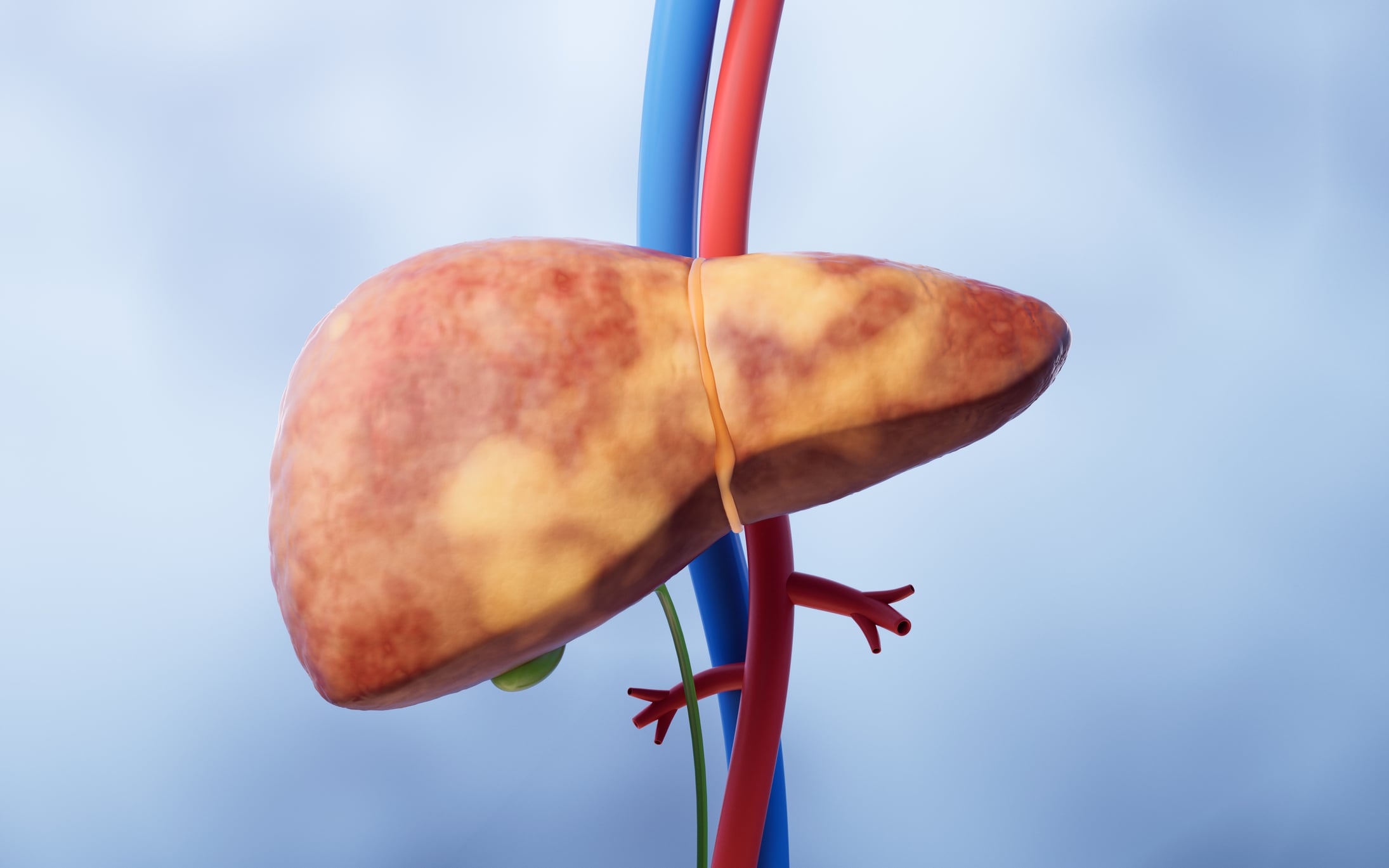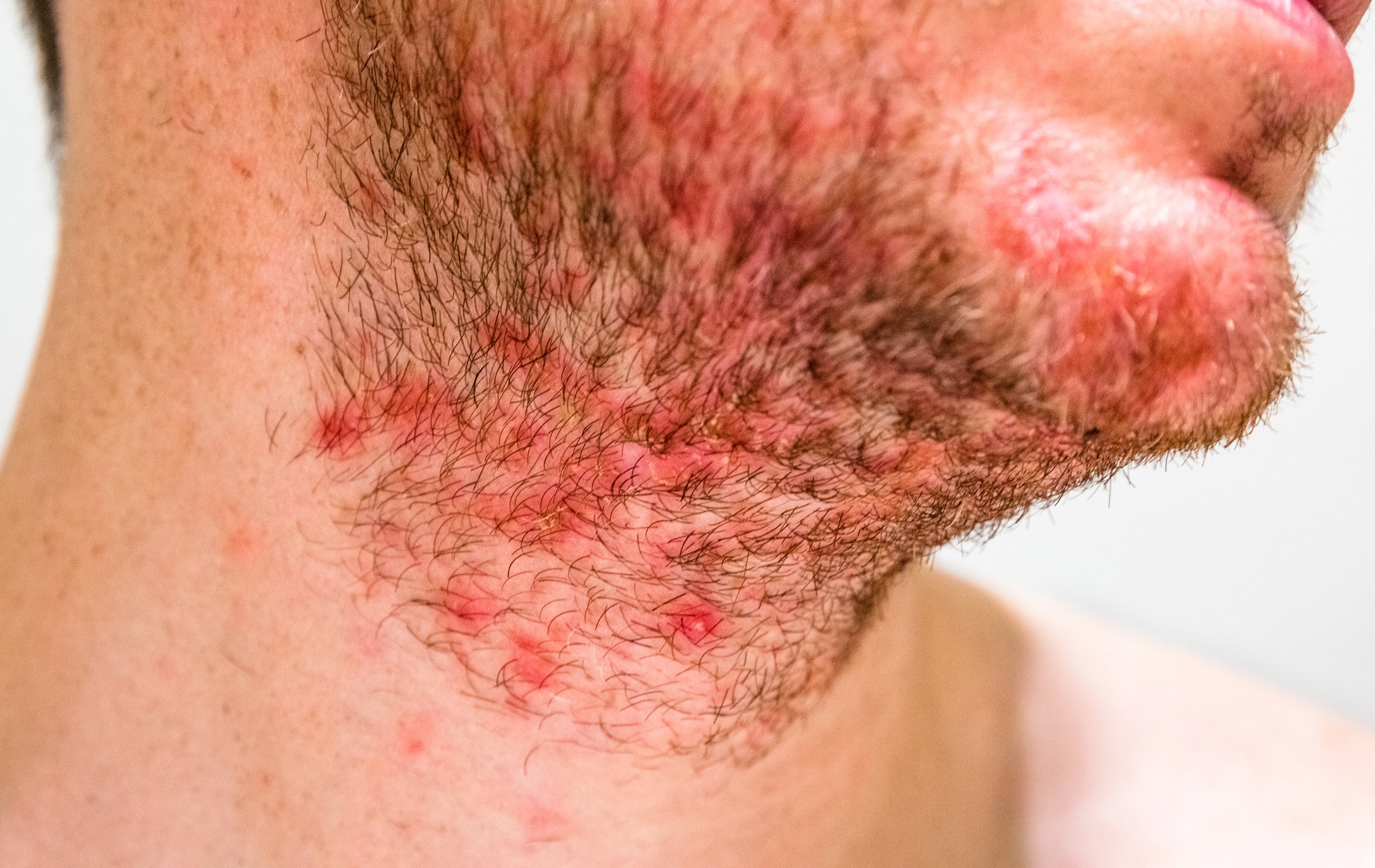
Seborrhoeic eczema is caused by a complex interplay of dysbiosis, impaired skin barrier function and immunological dysregulation. It occurs preferentially in areas rich in sebaceous glands and is associated with varying degrees of itching. A recent prospective study of adults with seborrhoeic dermatitis showed that 51% suffered from a high level of stress and around 48% from fatigue. Around a third felt stigmatized and over a quarter showed symptoms of depression.
Autoren
- Mirjam Peter, M.Sc.
Publikation
- DERMATOLOGIE PRAXIS

Related Topics
You May Also Like
- Disease-modifying therapies for ATTR-CM
TTR stabilizers, gene silencing and gene scissors: where do we stand?
- Proteins in wound healing
Do special amino acids lead to success?
- HER2+ early breast cancer
DESTINY-Breast11 – neoadjuvant T-DXd without anthracyclines
- Lavender aromatherapy
Take away the fear of the dentist
- Digital dermatology: innovative project examples
AI and eHealth tools in HS care
- Mantle cell lymphoma
Recurrence after BTK inhibition – prognostic factors and treatment options
- Dementia risk with type 2 diabetes
SGLT2 inhibitors with advantages vs. DPP4 inhibitors
- T helper 1 cells