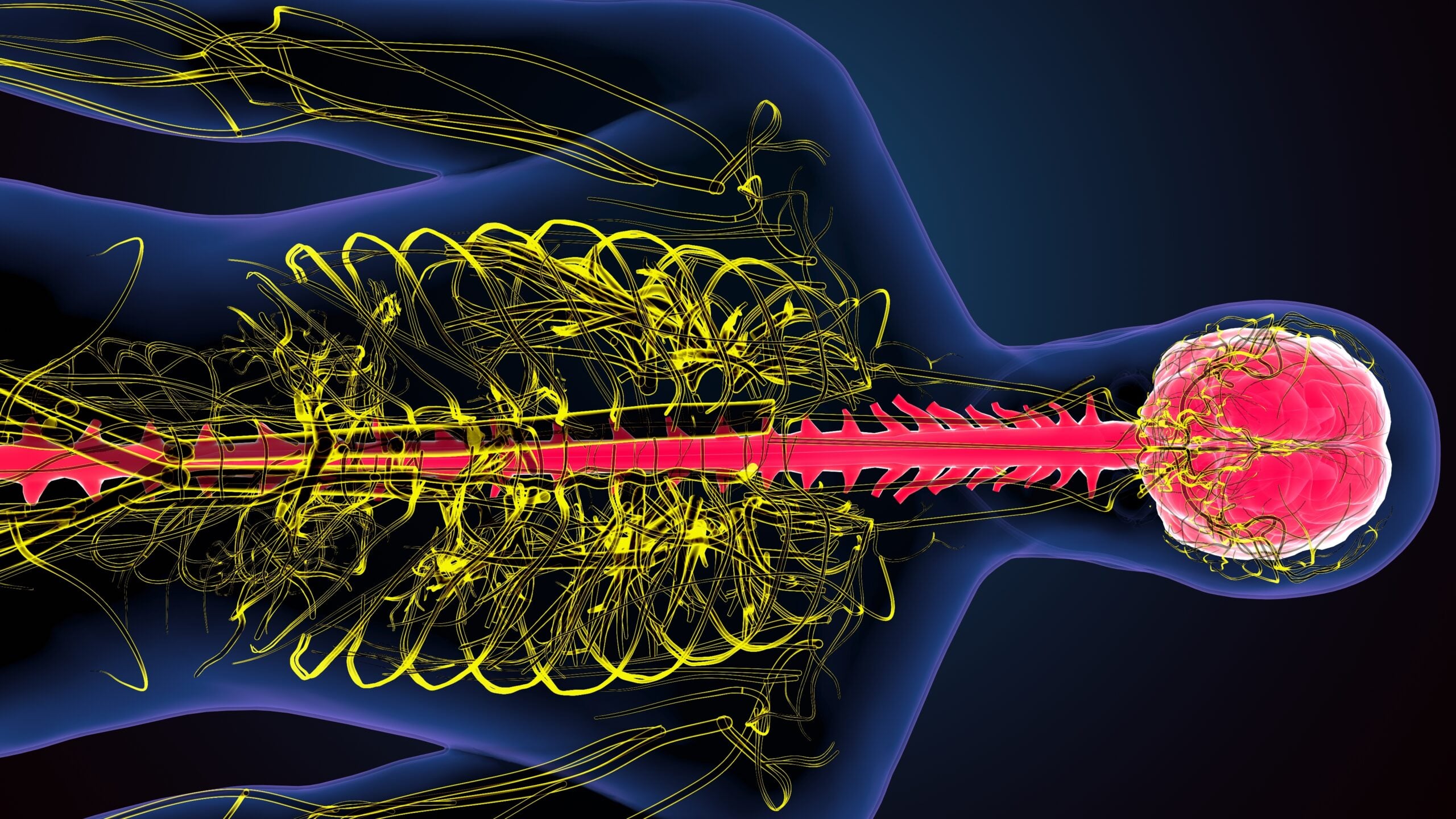
Insulin resistance, dyslipidemia, lack of exercise, inflammation and hypertension are among the most common risk factors for sarcopenia. Along with a loss of muscle mass and function, the risk of falls, fractures and frailty is increased. Lifestyle measures are crucial to counteract the rapid deterioration of the condition. Multimodal exercise programs can not only improve muscle strength, but also reduce the risk of falls.
Autoren
- Mirjam Peter, M.Sc.
Publikation
- HAUSARZT PRAXIS
- InFo DIABETOLOGIE & ENDOKRINOLOGIE
Related Topics
You May Also Like
- Psychedelic-assisted therapy
Current status of PAT
- Neuropathic Pain
Evidence-Based Neuromodulation Based on Clinical Trials and Real-World Data
- Fibromyalgia Syndrome
Development, Diagnosis, Epidemiology, and Treatment of a Disease Entity
- Juvenile Idiopathic Arthritis
Early Detection and Targeted Treatment in an Interdisciplinary Setting
- Disorders of the Gut-Brain Interaction
Rome V Criteria: What Has Changed, and What Has Remained the Same?
- Tourette Syndrome
What can be done to treat this tic disorder?
- Chronic Hepatitis B: Is a Cure in Sight?
Phase III Trial of Temporary Treatment with Bepirovirsen Was Successful
- Congenital Vascular Malformations