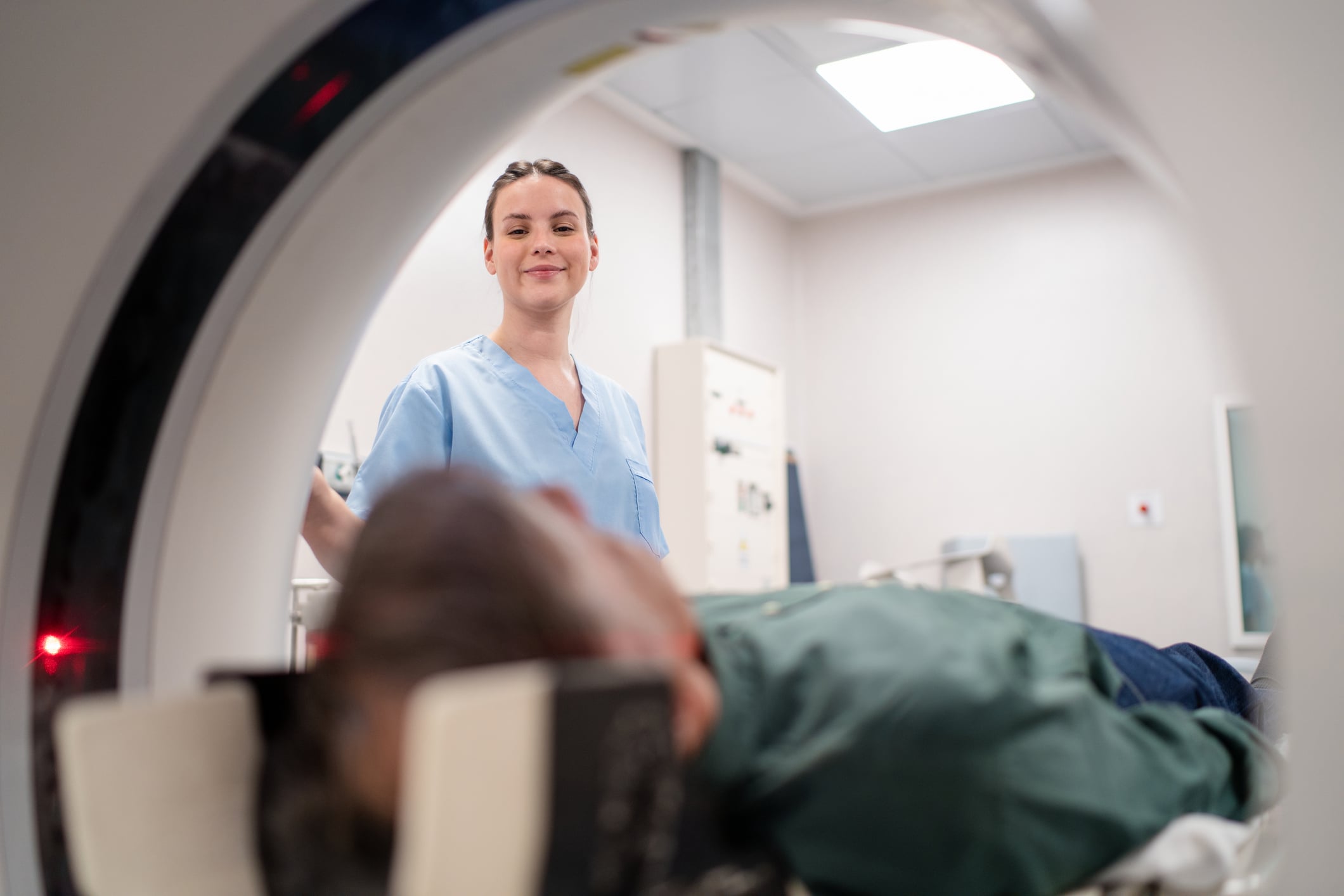
Anxiety disorders are among the most common psychiatric illnesses worldwide. There is evidence that both the amygdala and the dorsomedial cortex are involved in the pathophysiology. Selective serotonin reuptake inhibitors (SSRIs) remain the cornerstone of pharmacological treatment for anxiety disorders, but their neurobiological mechanisms are not yet fully understood. An international research group has now investigated the early neuronal effects of escitalopram on brain activation and connectivity.
Autoren
- Jens Dehn
Publikation
- InFo NEUROLOGIE & PSYCHIATRIE

Related Topics
You May Also Like
- Psychooncology
Communication as the key to therapy adherence
- The Brain and the Motivation to Eat
Why is it so hard to lose weight?
- Omaveloxolone for Friedreich's Ataxia
Efficacy and Safety Studied Over 6 Years
- Psoriasis: therapy with biologics and TYK-2-i
Progress assessments based on current long-term and real-world data
- Hypertension: the most important facts for daily practice
Early dual antihypertensive therapy is usually indicated
- Escitalopram for anxiety disorders
Positive effect, but no immediate improvement in symptoms
- Helicobacter pylori infection
Simplified dual therapy beats quadruple regimen
- Older patients with atopic dermatitis