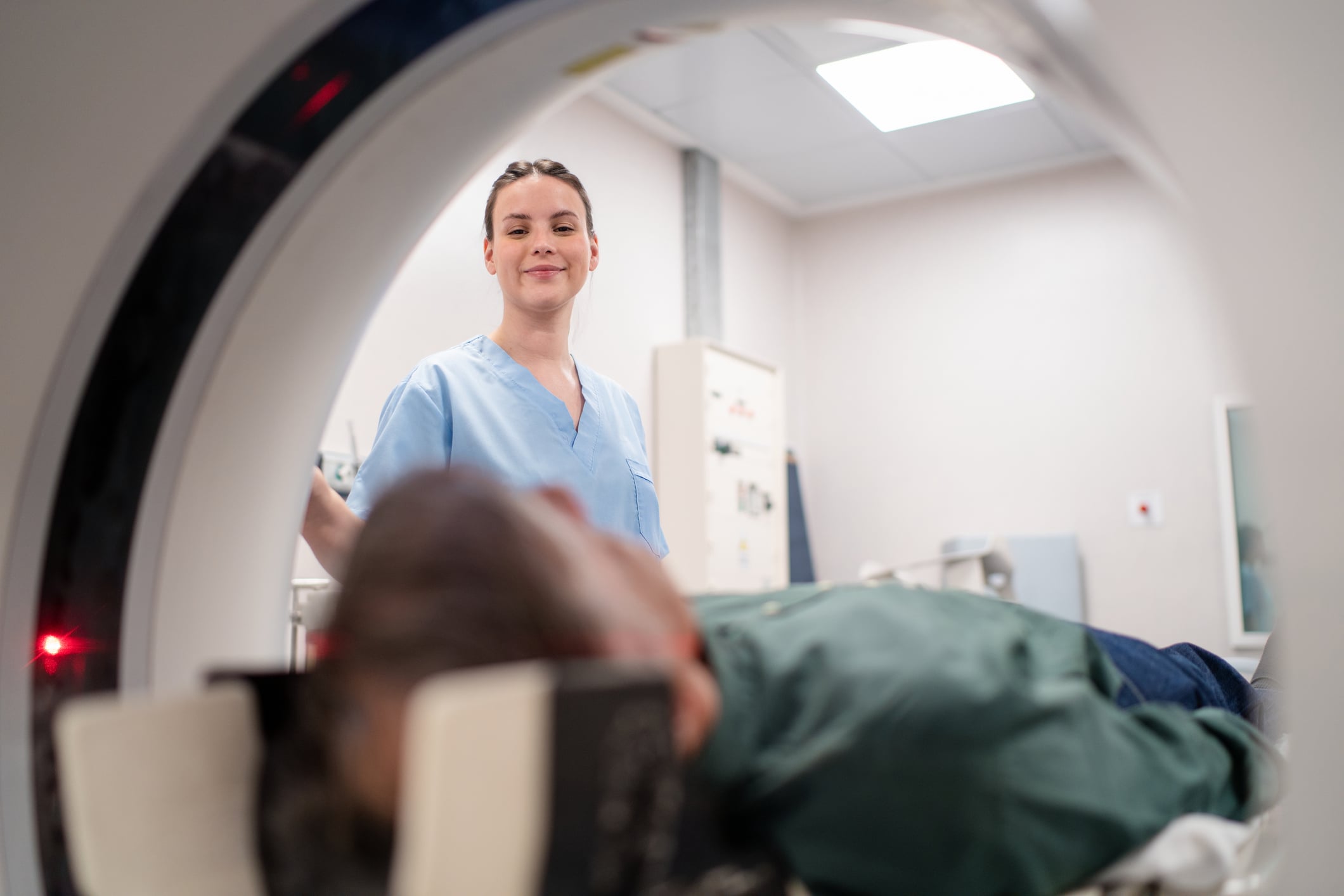
Anxiety disorders are among the most common psychiatric illnesses worldwide. There is evidence that both the amygdala and the dorsomedial cortex are involved in the pathophysiology. Selective serotonin reuptake inhibitors (SSRIs) remain the cornerstone of pharmacological treatment for anxiety disorders, but their neurobiological mechanisms are not yet fully understood. An international research group has now investigated the early neuronal effects of escitalopram on brain activation and connectivity.
Autoren
- Jens Dehn
Publikation
- InFo NEUROLOGIE & PSYCHIATRIE

Related Topics
You May Also Like
- Pediatric Brain Tumors
Psychiatry versus Neuro-Oncology: Diagnostic Pitfalls
- What the latest studies on the entire EF spectrum mean for clinical practice
Heart Failure – The 2026 Evidence Update
- Acute ischemic stroke
Alteplase and Tenecteplase Are on the Same Level
- CKD in People with Type 2 Diabetes: Evidence-Based, Optimized Treatment
SGLT-2 inhibitors and GLP-1 receptor agonists: significant improvement in renal outcomes
- Wearables: screening via smartwatch?
New study on atrial fibrillation in high-risk patients
- Planning a Family, Pregnancy, and Breastfeeding
Update on Anti-Rheumatic Medications
- Peristomal skin health
Focus on preventive care options
- Mental Health with GLP-1 RAs