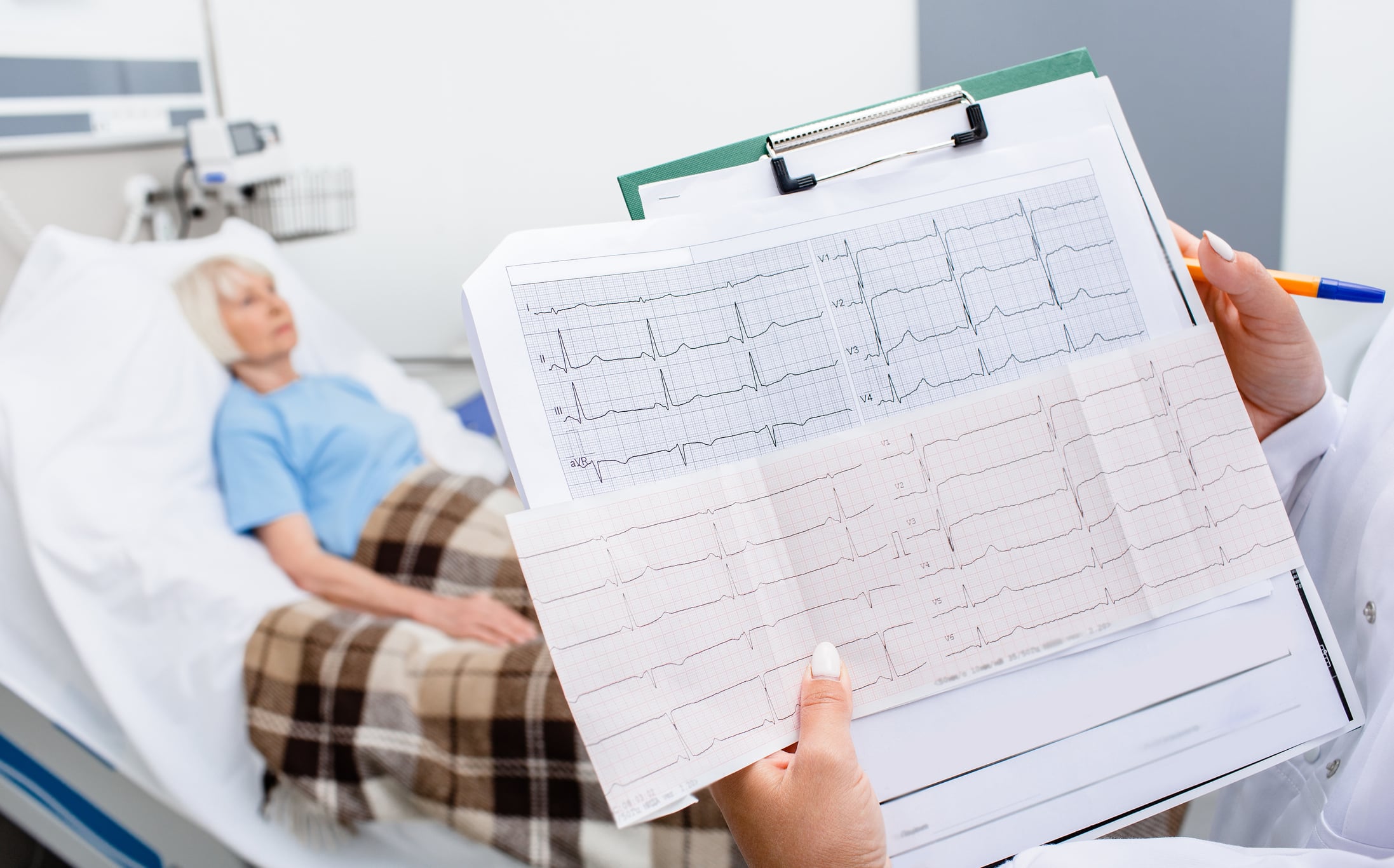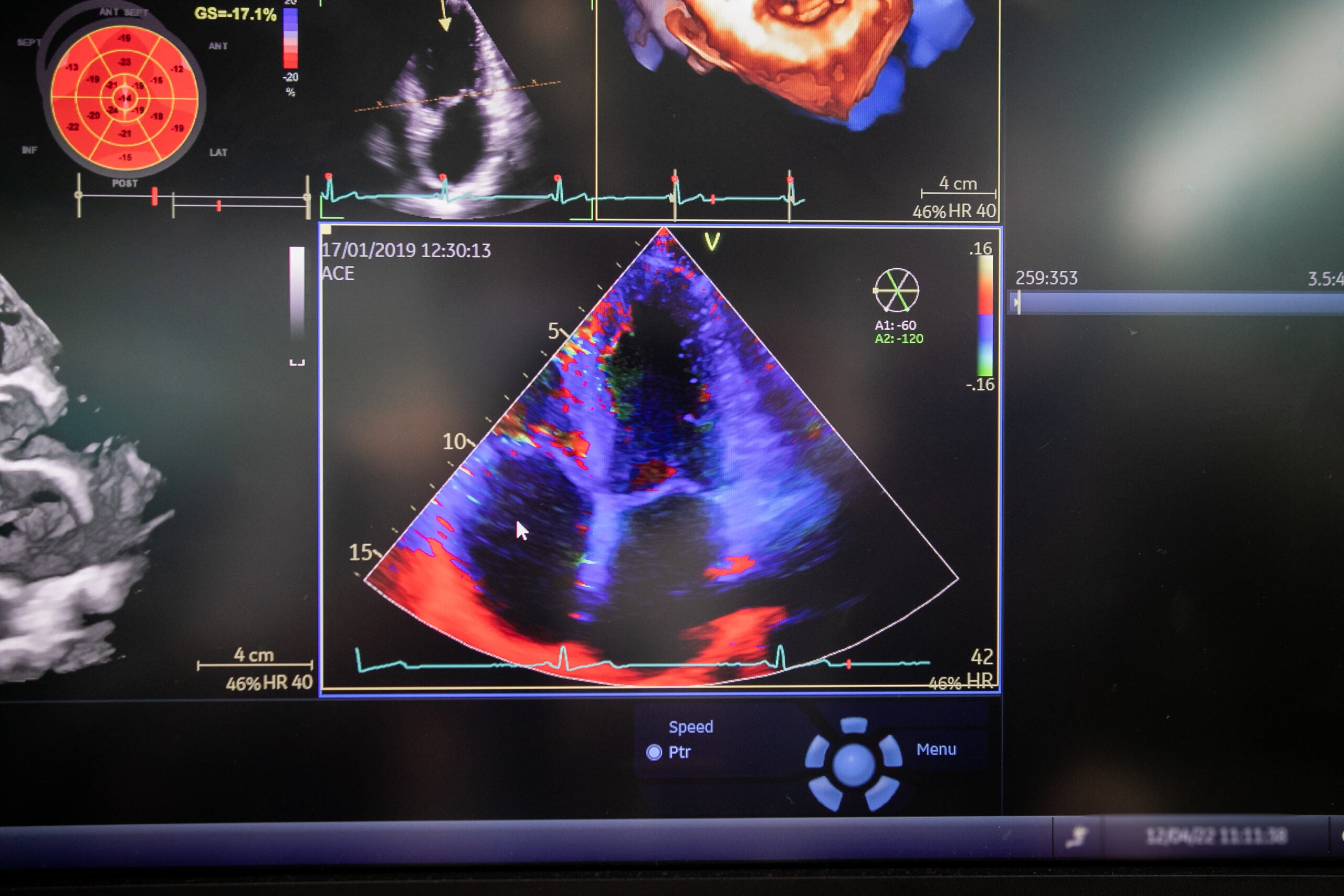
With advances in oncology, more and more people are surviving cancer—and this has brought the long-term cardiovascular effects of treatment into focus. Cancer therapy-related cardiac dysfunction (CTRCD ) has become a distinct clinical problem, and echocardiography is its most important monitoring tool. The recently published 2026 Focused Update on echocardiography in CTRCD summarizes the current evidence: Left ventricular ejection fraction (LVEF) and global longitudinal strain (GLS) remain the core parameters, supplemented by standardized protocols before, during, and after therapy. Artificial intelligence and three-dimensional echocardiography promise greater reproducibility and earlier detection.
Publikation
- CARDIOVASC