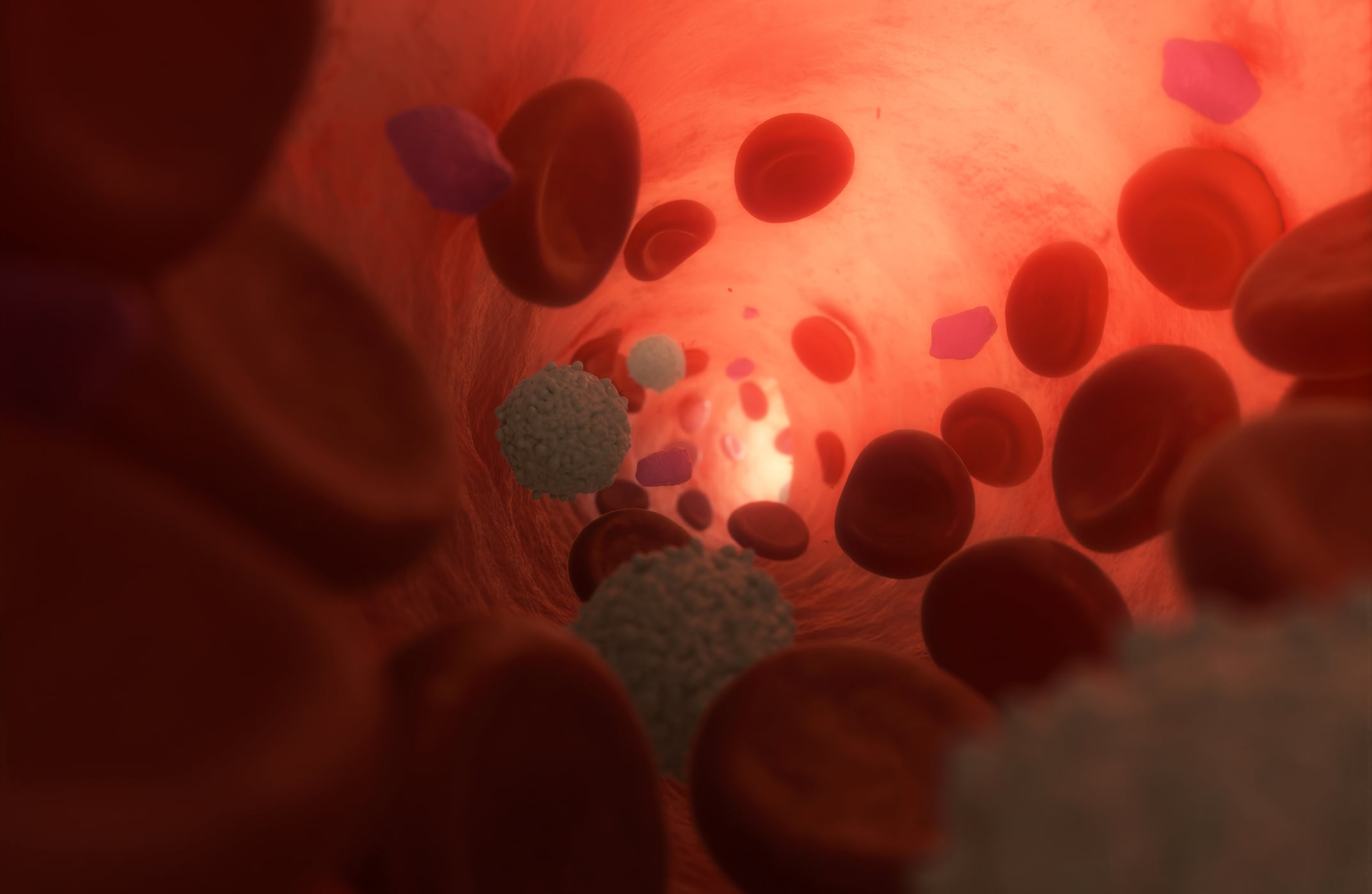
Iron deficiency is the most prevalent nutritional deficiency in humans worldwide and by far the most common cause of anemia. On the other hand, iron is toxic in its free ionic form, and iron overload (e.g., hemochromatosis) can lead to life-threatening organ damage. In healthy individuals, the absorption, transport, and storage of iron are precisely regulated to prevent both cellular iron deficiency and systemic iron overload.
Autoren
- Mirjam Peter, M.Sc.
Publikation
- HAUSARZT PRAXIS
Related Topics
You May Also Like
- Type 1 Diabetes in Childhood
Early Impairment of Glucagon Counterregulation
- Psychosis in Parkinson's Disease
Be Careful When Choosing Medications
- Esophageal Cancer
A Comparison of Endoscopic and Surgical Innovations
- PMR and LVV: Current EULAR Recommendations
Polymyalgia rheumatica, giant cell arteritis, and Takayasu arteritis
- Cellular and Systemic Iron Homeostasis
“Steady State” – a delicately balanced equilibrium
- Psychedelic-assisted therapy
Current status of PAT
- First-line treatment for T2D
SGLT2i, metformin, or both?
- Biophilic Design of Work Environments