Medizinonline Medizinonline
  • News
    • News
    • Market & Medicine
  • Patients
    • Disease patterns
    • Diagnostics
    • Therapy
  • Partner Content
    • Diabetes
      • Dia-Month Club – Type 2 Diabetes
      • Diabetes in Motion
      • Diabetes Podcasts
    • Gastroenterology
      • IBD matters
    • Oncology
      • Swiss Oncology in motion
    • Orthopedics
      • Osteoporosis in motion
  • Departments
    • Allergology and clinical immunology
    • General Internal Medicine
    • Anesthesiology
    • Angiology
    • Surgery
    • Dermatology and venereology
    • Endocrinology and Diabetology
    • Nutrition
    • Gastroenterology and Hepatology
    • Genetics
    • Geriatrics
    • Gynecology
    • Hematology
    • Infectiology
    • Cardiology
    • Nephrology
    • Neurology
    • Emergency and intensive care medicine
    • Nuclear Medicine
    • Oncology
    • Ophthalmology
    • ORL
    • Orthopedics
    • Pediatrics
    • Pharmacology and toxicology
    • Pharmaceutical medicine
    • Phlebology
    • Physical medicine and rehabilitation
    • Pneumology
    • Prevention and health care
    • Psychiatry and psychotherapy
    • Radiology
    • Forensic Medicine
    • Rheumatology
    • Sports Medicine
    • Traumatology and trauma surgery
    • Tropical and travel medicine
    • Urology
    • Dentistry
  • CME & Congresses
    • CME continuing education
    • Congress Reports
    • Congress calendar
  • Practice
    • Noctimed
    • Practice Management
    • Jobs
    • Interviews
  • Log In
  • Register
  • My account
  • Contact
  • Publications
  • Contact
  • Deutsch
  • English
  • Français
  • Italiano
  • Português
  • Español
Subscribe
Medizinonline Medizinonline
  • News
    • News
    • Market & Medicine
  • Patienten
    • Krankheitsbilder
    • Diagnostik
    • Therapie
  • Partner Content
    • Diabetes
      • Dia-Month Club – Type 2 Diabetes
      • Diabetes in Motion
      • Diabetes Podcasts
    • Gastroenterology
      • IBD matters
    • Oncology
      • Swiss Oncology in motion
    • Orthopedics
      • Osteoporosis in motion
    • Phytotherapie
    • Rheumatology
  • Departments
    • Fachbereiche 1-13
      • Allergology and clinical immunology
      • General Internal Medicine
      • Anesthesiology
      • Angiology
      • Surgery
      • Dermatology and venereology
      • Endocrinology and Diabetology
      • Nutrition
      • Gastroenterology and Hepatology
      • Genetics
      • Geriatrics
      • Gynecology
      • Hematology
    • Fachbereiche 14-26
      • Infectiology
      • Cardiology
      • Nephrology
      • Neurology
      • Emergency and intensive care medicine
      • Nuclear Medicine
      • Oncology
      • Ophthalmology
      • ORL
      • Orthopedics
      • Pediatrics
      • Pharmacology and toxicology
      • Pharmaceutical medicine
    • Fachbereiche 26-38
      • Phlebology
      • Physical medicine and rehabilitation
      • Phytotherapy
      • Pneumology
      • Prevention and health care
      • Psychiatry and psychotherapy
      • Radiology
      • Forensic Medicine
      • Rheumatology
      • Sports Medicine
      • Traumatology and trauma surgery
      • Tropical and travel medicine
      • Urology
      • Dentistry
  • CME & Congresses
    • CME continuing education
    • Congress Reports
    • Congress calendar
  • Practice
    • Noctimed
    • Practice Management
    • Jobs
    • Interviews
Login

Sie haben noch keinen Account? Registrieren

  • Editorial

Aspects of vascular diseases

    • Cardiology
    • Education
    • RX
    • Sports Medicine
  • 2 minute read

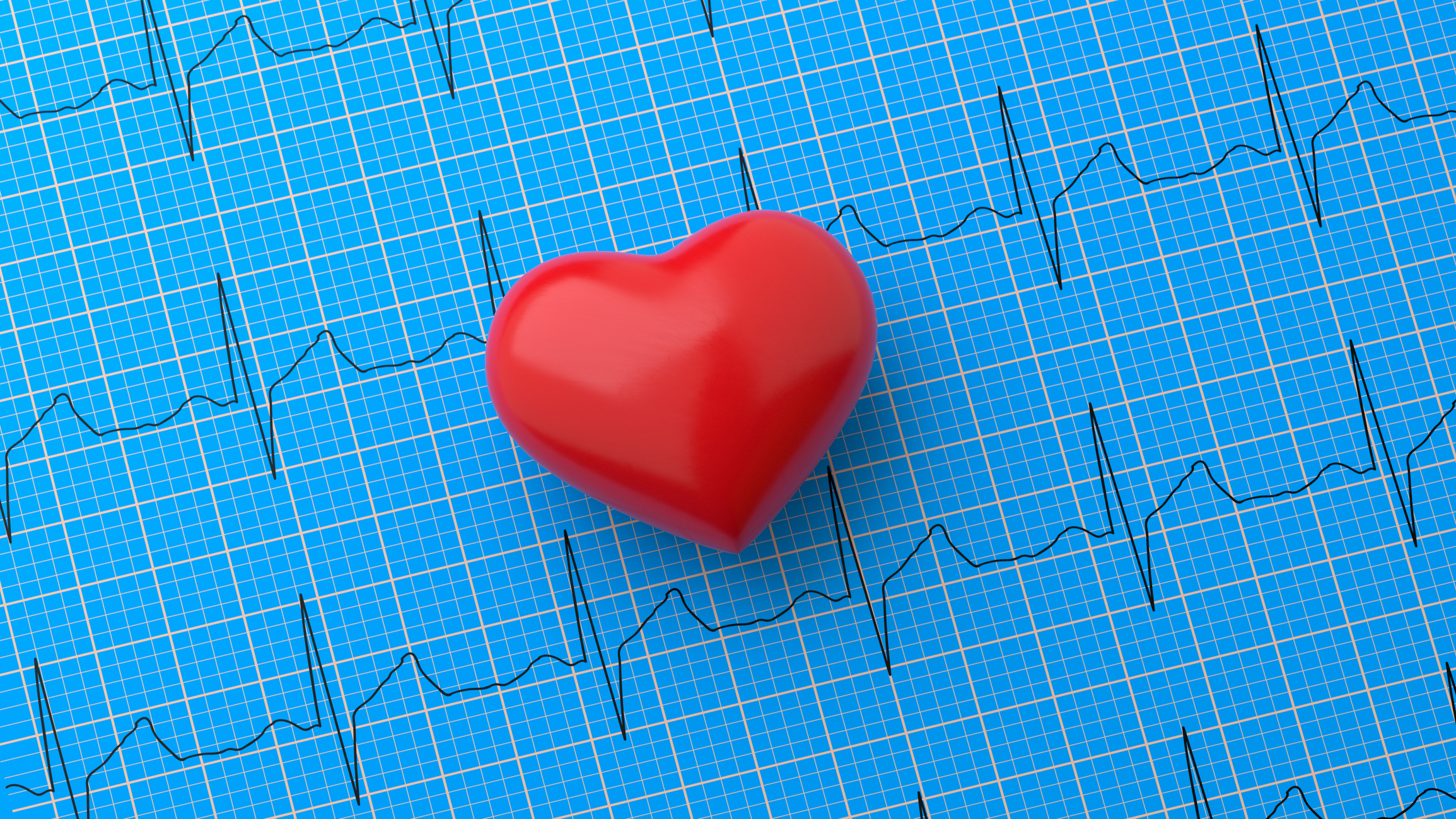
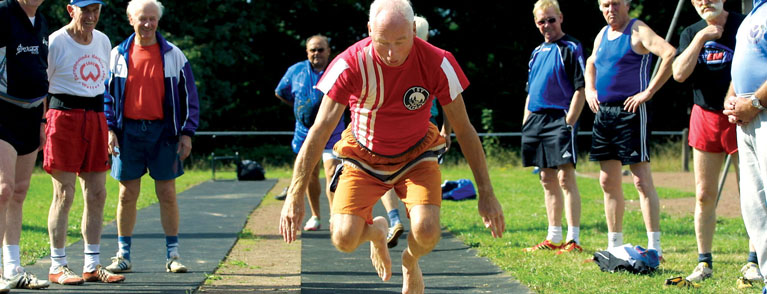
“Long live sport!” – The title of this honest, but also quite ironic 80s hit actually sums it up perfectly: Sport (not only football) is for many probably the most beautiful pastime in the world, but also has its dangers. In Switzerland, sports injuries have been steadily increasing in recent years, even though they very rarely lead to fatalities. The majority of fatal events leading to death in sports are cardiac related.

This disturbing fact led to the concept of the “sports paradox”: on the one hand, the health-promoting, preventive properties of regular physical exercise are undisputed, but on the other hand, sports have also been identified as a “trigger” for sudden cardiac arrest and cardiac death. This is especially true in the case of underlying cardiovascular disease, which can increase the risk of a sports-associated fatal cardiac incident up to 100-fold. Thus, the ultimate goal is adequate cardiac screening, which should also reach as many athletes as possible.

However, many athletes, especially in the so-called “hobby and amateur sports”, are deprived of screening today, and even screening adequately performed according to the latest guidelines can never prevent all fatal events. If typical clinical symptoms, such as chest pain, occur in such cases, it is important to take the right steps without delay. We get a practical guide in this issue of CARDIOVASC.

Atheromatosis, which often develops insidiously and asymptomatically and can eventually lead to a potentially lethal plaque rupture even in a less pronounced form (especially during sports), is a systemic disease. An interesting CME article in this issue additionally deals with a relevant venous problem and thus another important aspect of vascular diseases: the chronic venous ulcer and the pitfalls of its therapy, which we are unfortunately all too familiar with in everyday practice.

So encourage your patients (and of course your private environment and yourself) to exercise regularly. Preventive measures in the sense of a reduction of cardiovascular risk factors, adequate screening and a tailored training program can definitely invalidate the “sports paradox”. Long live the sport!

Christian Marc Schmied, MD
Publikation
  • CARDIOVASC
Related Topics
  • Death
  • Sports
  • Vascular diseases
Previous Article
  • St. Gallen introduces itself

“We don’t just treat pimples”

  • Dermatology and venereology
  • News
  • RX
View Post
Next Article
  • Open questions in psoriasis

What does the consensus say?

  • Congress Reports
  • Dermatology and venereology
  • RX
View Post
You May Also Like
View Post
  • 4 min
  • GLP1 receptor agonists

Positive influence on substance use and addiction

    • Education
    • Endocrinology and Diabetology
    • General Internal Medicine
    • RX
    • Studies
View Post
  • 11 min
  • Sleep apnea and cardiovascular diseases

Breathless through the night

    • Cardiology
    • Education
    • General Internal Medicine
    • ORL
    • Pneumology
    • RX
    • Studies
View Post
  • 15 min
  • Diagnostics, differentiation and multimodal therapy

Vulvar diseases and vulvodynia

    • Dermatology and venereology
    • Education
    • Gynecology
    • Infectiology
    • RX
    • Studies
View Post
  • 3 min
  • From symptom to diagnosis

Abdominal pain – Prostate lipoma

    • Cases
    • Education
    • General Internal Medicine
    • Radiology
    • RX
    • Surgery
    • Urology
View Post
  • 6 min
  • Acute pulmonary embolism: new AHA/ACC guideline

Practical recommendations for risk-stratified triage

    • Cardiology
    • Education
    • Pneumology
    • RX
    • Studies
View Post
  • 13 min
  • Why lipoprotein(a) is the biggest therapeutic vacuum in cardiology

Lp(a): The underestimated risk factor before the turning point

    • Cardiology
    • Education
    • Endocrinology and Diabetology
    • RX
    • Studies
View Post
  • 11 min
  • Modern system therapeutics for hidradenitis suppurativa

Immunological dysregulation in the sights of several biologics and “small molecules”

    • Allergology and clinical immunology
    • Dermatology and venereology
    • Education
    • RX
    • Studies
View Post
  • 15 min
  • Perimenopausal depression, PMDS and tokophobia

Psychosomatics and mental health in gynecology

    • Education
    • Gynecology
    • Psychiatry and psychotherapy
    • RX
    • Studies
  • IBD matters

    Zum Thema
Top CME content
  • 1
    Functional limb preservation between infection control, vascular medicine and resurfacing
  • 2
    Do special amino acids lead to success?
  • 3
    Do special amino acids lead to success?
  • 4
    Current status of PAT
  • 5
    Surgical wound complications

Newsletter

Sign up and stay up to date

Subscribe
Medizinonline Medizinonline
  • Contact
  • General terms and conditions
  • Imprint

Input your search keywords and press Enter.