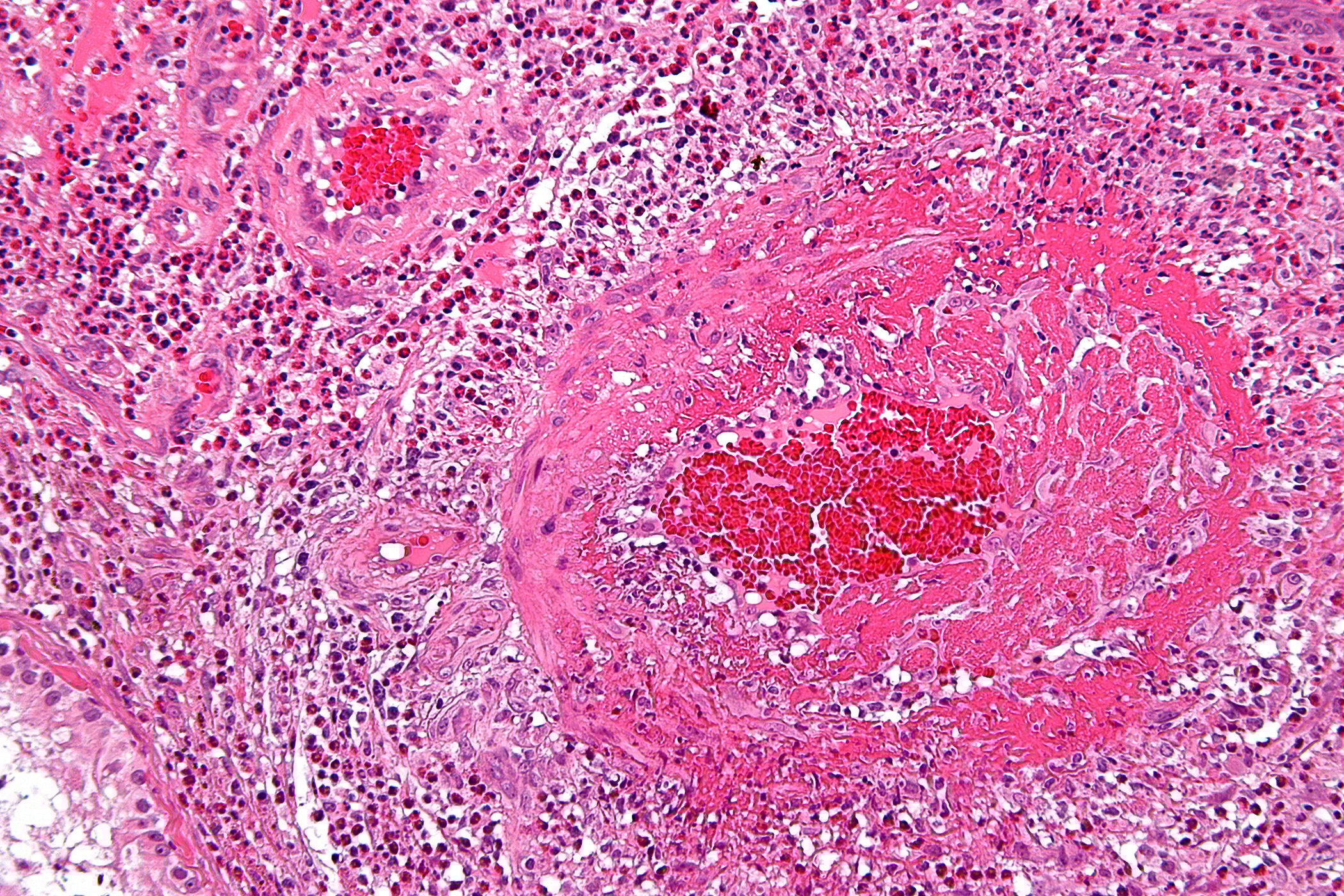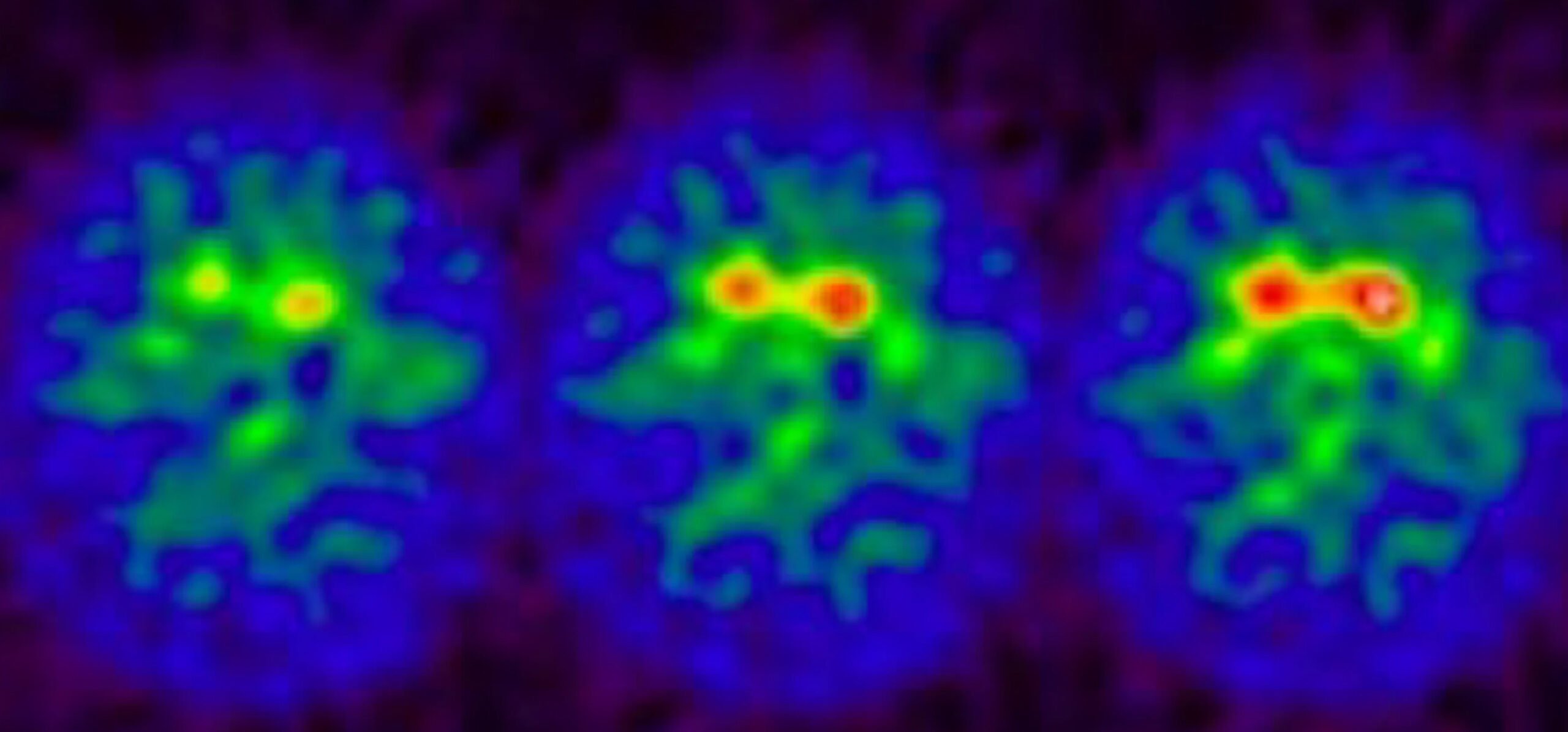
Brain atrophy in MS patients, particularly in the thalamus, correlates strongly with long-term physical disability and cognitive deficits. A long-term analysis of the phase 3 studies RADIANCE/SUNBEAM and the open-label extension DAYBREAK now examines the efficacy of ozanimod over seven years. The results confirm sustained protection against volume loss and highlight the predictive role of brain volume biomarkers.
Autoren
- Dr. Ulf Blanke
Publikation
- InFo NEUROLOGIE & PSYCHIATRIE
Related Topics
You May Also Like
- Brain atrophy and MS
Brain atrophy correlates with disability progression in MS
- Diabetes mellitus
Treatment of comorbidities in older people
- Alternative to insulin and GLP1
From the β-cell to the center: the versatile role of amylin
- Pulmonary sarcoidosis
Prednisone vs. MTX: a draw after 24 weeks
- Friedreich's ataxia
Loss of orientation in the cerebellum
- Diabetes mellitus
Treatment of comorbidities in older people
- Artificial intelligence
Dr. ChatGPT: Large language models in everyday clinical practice
- Subtyping as the key to precision medicine