Medizinonline Medizinonline
  • News
    • News
    • Market & Medicine
  • Patients
    • Disease patterns
    • Diagnostics
    • Therapy
  • Partner Content
    • Diabetes
      • Dia-Month Club – Type 2 Diabetes
      • Diabetes in Motion
      • Diabetes Podcasts
    • Gastroenterology
      • IBD matters
    • Oncology
      • Swiss Oncology in motion
    • Orthopedics
      • Osteoporosis in motion
  • Departments
    • Allergology and clinical immunology
    • General Internal Medicine
    • Anesthesiology
    • Angiology
    • Surgery
    • Dermatology and venereology
    • Endocrinology and Diabetology
    • Nutrition
    • Gastroenterology and Hepatology
    • Genetics
    • Geriatrics
    • Gynecology
    • Hematology
    • Infectiology
    • Cardiology
    • Nephrology
    • Neurology
    • Emergency and intensive care medicine
    • Nuclear Medicine
    • Oncology
    • Ophthalmology
    • ORL
    • Orthopedics
    • Pediatrics
    • Pharmacology and toxicology
    • Pharmaceutical medicine
    • Phlebology
    • Physical medicine and rehabilitation
    • Pneumology
    • Prevention and health care
    • Psychiatry and psychotherapy
    • Radiology
    • Forensic Medicine
    • Rheumatology
    • Sports Medicine
    • Traumatology and trauma surgery
    • Tropical and travel medicine
    • Urology
    • Dentistry
  • CME & Congresses
    • CME continuing education
    • Congress Reports
    • Congress calendar
  • Practice
    • Noctimed
    • Practice Management
    • Jobs
    • Interviews
  • Log In
  • Register
  • My account
  • Contact
  • Publications
  • Contact
  • Deutsch
  • English
  • Français
  • Italiano
  • Português
  • Español
Subscribe
Medizinonline Medizinonline
  • News
    • News
    • Market & Medicine
  • Patienten
    • Krankheitsbilder
    • Diagnostik
    • Therapie
  • Partner Content
    • Diabetes
      • Dia-Month Club – Type 2 Diabetes
      • Diabetes in Motion
      • Diabetes Podcasts
    • Gastroenterology
      • IBD matters
    • Oncology
      • Swiss Oncology in motion
    • Orthopedics
      • Osteoporosis in motion
    • Phytotherapie
    • Rheumatology
  • Departments
    • Fachbereiche 1-13
      • Allergology and clinical immunology
      • General Internal Medicine
      • Anesthesiology
      • Angiology
      • Surgery
      • Dermatology and venereology
      • Endocrinology and Diabetology
      • Nutrition
      • Gastroenterology and Hepatology
      • Genetics
      • Geriatrics
      • Gynecology
      • Hematology
    • Fachbereiche 14-26
      • Infectiology
      • Cardiology
      • Nephrology
      • Neurology
      • Emergency and intensive care medicine
      • Nuclear Medicine
      • Oncology
      • Ophthalmology
      • ORL
      • Orthopedics
      • Pediatrics
      • Pharmacology and toxicology
      • Pharmaceutical medicine
    • Fachbereiche 26-38
      • Phlebology
      • Physical medicine and rehabilitation
      • Phytotherapy
      • Pneumology
      • Prevention and health care
      • Psychiatry and psychotherapy
      • Radiology
      • Forensic Medicine
      • Rheumatology
      • Sports Medicine
      • Traumatology and trauma surgery
      • Tropical and travel medicine
      • Urology
      • Dentistry
  • CME & Congresses
    • CME continuing education
    • Congress Reports
    • Congress calendar
  • Practice
    • Noctimed
    • Practice Management
    • Jobs
    • Interviews
Login

Sie haben noch keinen Account? Registrieren

  • Microbiome

Cancer Cause Infection?

    • Congress Reports
    • Infectiology
    • Oncology
    • RX
  • 1 minute read

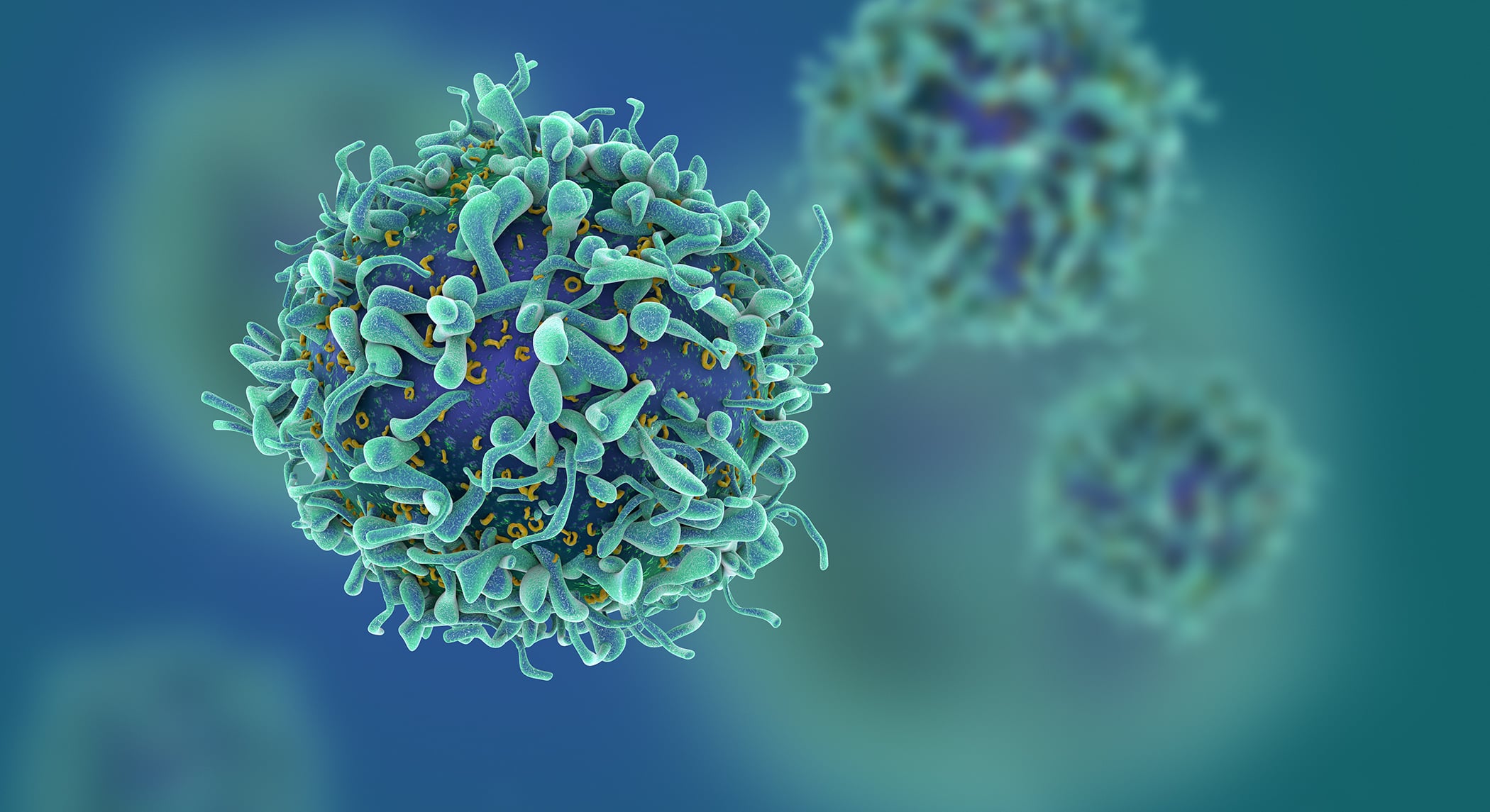
Everyone is talking about the microbiome. It also does not stop at malignant diseases. This is because some newly diagnosed tumor diseases can be traced back to an infection.

Some forms of breast cancer or black skin cancer have been shown to be caused by inherited point mutations or UV-induced damage to DNA. For a long time, it was assumed that malignant diseases originate exclusively from changes in the genetic material. The fact that this is not the case is only gradually penetrating the consciousness. Approximately 20% of all newly diagnosed tumor diseases each year can be traced back to an infection.

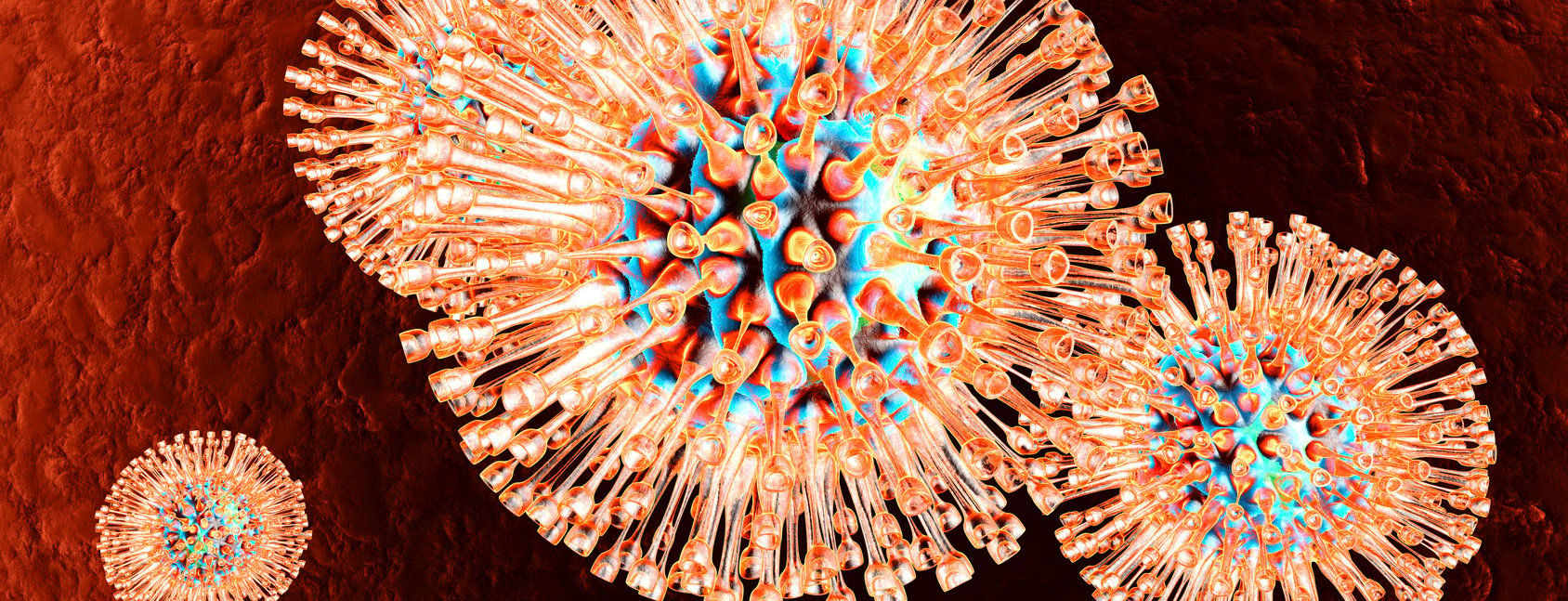
Only four pathogens are mainly responsible for the occurrence of infection-dependent tumors: the human papillomavirus, hepatitis B and C, and the bacterium Helicobacter pylori. While the viruses are responsible for cervical cancer and liver carcinomas, the bacterium mainly causes stomach cancer. Usually, other factors such as alcohol or a high-salt diet must be added to the infection for the cells to degenerate. It is believed that the risk of infected individuals is increased by approximately 10%.

Vaccines, some of which are already available, are expected to reduce the incidences of the aforementioned forms of cancer. In addition, a healthy microbiome is critical for successful tumor treatment, as is now well known. The exact steps that should be taken are not yet known and are the subject of research in clinical trials.

Source: Charles Rodolphe Brupbacher Symposium 2019


InFo ONCOLOGY & HEMATOLOGY 2019; 7(2-3): 36 (published 6/21/19, ahead of print).

Publikation
  • InFo ONKOLOGIE & HÄMATOLOGIE
Related Topics
  • microbiome
Previous Article
  • Interview with Dunja Kern

Look Good…Feel Better: What Appearance Has to Do with Convalescence

  • Interviews
  • Oncology
  • Physical medicine and rehabilitation
  • Prevention and health care
  • RX
View Post
Next Article
  • Organ donation and transplantation

Legal regulation and organization in Switzerland

  • Education
  • Emergency and intensive care medicine
  • Prevention and health care
  • RX
  • Surgery
View Post
You May Also Like
View Post
  • 12 min
  • The Brain and the Motivation to Eat

Why is it so hard to lose weight?

    • RX
    • CME continuing education
    • Endocrinology and Diabetology
    • General Internal Medicine
    • Nutrition
    • Pharmacology and toxicology
    • Prevention and health care
    • Psychiatry and psychotherapy
    • Studies
View Post
  • 8 min
  • Psychooncology

Communication as the key to therapy adherence

    • RX
    • CME continuing education
    • General Internal Medicine
    • Practice Management
View Post
  • 5 min
  • Omaveloxolone for Friedreich's Ataxia

Efficacy and Safety Studied Over 6 Years

    • Neurology
    • Congress Reports
    • Endocrinology and Diabetology
    • RX
    • Studies
View Post
  • 6 min
  • Psoriasis: therapy with biologics and TYK-2-i

Progress assessments based on current long-term and real-world data

    • RX
    • Congress Reports
    • Dermatology and venereology
    • Pharmacology and toxicology
    • Rheumatology
    • Studies
View Post
  • 4 min
  • Hypertension: the most important facts for daily practice

Early dual antihypertensive therapy is usually indicated

    • RX
    • Cardiology
    • Congress Reports
    • General Internal Medicine
View Post
  • 4 min
  • Escitalopram for anxiety disorders

Positive effect, but no immediate improvement in symptoms

    • RX
    • Education
    • Neurology
    • Pharmacology and toxicology
    • Psychiatry and psychotherapy
    • Studies
View Post
  • 4 min
  • Helicobacter pylori infection

Simplified dual therapy beats quadruple regimen

    • RX
    • Education
    • Gastroenterology and Hepatology
    • General Internal Medicine
    • Infectiology
    • Studies
View Post
  • 3 min
  • Gastric carcinoma

Ways of precision oncology

    • RX
    • Congress Reports
    • Gastroenterology and Hepatology
    • Oncology
    • Studies
Landingpage Fachinfo Landingpage Button
  • IBD matters

    Zum Thema
Top CME content
  • 1
    Why is it so hard to lose weight?
  • 2
    Communication as the key to therapy adherence
  • 3
    Communication as the key to therapy adherence
  • 4
    Solutions to the malnutrition dilemma
  • 5
    Solutions to the malnutrition dilemma

Newsletter

Sign up and stay up to date

Subscribe
Medizinonline Medizinonline
  • Contact
  • General terms and conditions
  • Imprint

Input your search keywords and press Enter.