Medizinonline Medizinonline
  • News
    • News
    • Market & Medicine
  • Patients
    • Disease patterns
    • Diagnostics
    • Therapy
  • Partner Content
    • Dermatology
      • Atopic dermatitis and psoriasis news
    • Diabetes
      • Dia-Month Club – Type 2 Diabetes
      • Diabetes in Motion
      • Diabetes Podcasts
    • Gastroenterology
      • IBD matters
    • Oncology
      • Swiss Oncology in motion
    • Orthopedics
      • Osteoporosis in motion
  • Departments
    • Allergology and clinical immunology
    • General Internal Medicine
    • Anesthesiology
    • Angiology
    • Surgery
    • Dermatology and venereology
    • Endocrinology and Diabetology
    • Nutrition
    • Gastroenterology and Hepatology
    • Genetics
    • Geriatrics
    • Gynecology
    • Hematology
    • Infectiology
    • Cardiology
    • Nephrology
    • Neurology
    • Emergency and intensive care medicine
    • Nuclear Medicine
    • Oncology
    • Ophthalmology
    • ORL
    • Orthopedics
    • Pediatrics
    • Pharmacology and toxicology
    • Pharmaceutical medicine
    • Phlebology
    • Physical medicine and rehabilitation
    • Pneumology
    • Prevention and health care
    • Psychiatry and psychotherapy
    • Radiology
    • Forensic Medicine
    • Rheumatology
    • Sports Medicine
    • Traumatology and trauma surgery
    • Tropical and travel medicine
    • Urology
    • Dentistry
  • CME & Congresses
    • CME continuing education
    • Congress Reports
    • Congress calendar
  • Practice
    • Noctimed
    • Practice Management
    • Jobs
    • Interviews
  • Log In
  • Register
  • My account
  • Contact
  • Publications
  • Contact
  • Deutsch
  • English
  • Français
  • Italiano
  • Português
  • Español
Subscribe
Medizinonline Medizinonline
  • News
    • News
    • Market & Medicine
  • Patienten
    • Krankheitsbilder
    • Diagnostik
    • Therapie
  • Partner Content
    • Dermatology
      • Atopic dermatitis and psoriasis news
    • Diabetes
      • Dia-Month Club – Type 2 Diabetes
      • Diabetes in Motion
      • Diabetes Podcasts
    • Gastroenterology
      • IBD matters
    • Oncology
      • Swiss Oncology in motion
    • Orthopedics
      • Osteoporosis in motion
    • Phytotherapie
    • Rheumatology
  • Departments
    • Fachbereiche 1-13
      • Allergology and clinical immunology
      • General Internal Medicine
      • Anesthesiology
      • Angiology
      • Surgery
      • Dermatology and venereology
      • Endocrinology and Diabetology
      • Nutrition
      • Gastroenterology and Hepatology
      • Genetics
      • Geriatrics
      • Gynecology
      • Hematology
    • Fachbereiche 14-26
      • Infectiology
      • Cardiology
      • Nephrology
      • Neurology
      • Emergency and intensive care medicine
      • Nuclear Medicine
      • Oncology
      • Ophthalmology
      • ORL
      • Orthopedics
      • Pediatrics
      • Pharmacology and toxicology
      • Pharmaceutical medicine
    • Fachbereiche 26-38
      • Phlebology
      • Physical medicine and rehabilitation
      • Phytotherapy
      • Pneumology
      • Prevention and health care
      • Psychiatry and psychotherapy
      • Radiology
      • Forensic Medicine
      • Rheumatology
      • Sports Medicine
      • Traumatology and trauma surgery
      • Tropical and travel medicine
      • Urology
      • Dentistry
  • CME & Congresses
    • CME continuing education
    • Congress Reports
    • Congress calendar
  • Practice
    • Noctimed
    • Practice Management
    • Jobs
    • Interviews
Login

Sie haben noch keinen Account? Registrieren

  • Introduction

Cardiac surgical treatment of atrial fibrillation

    • Cardiology
    • Education
    • RX
  • 2 minute read

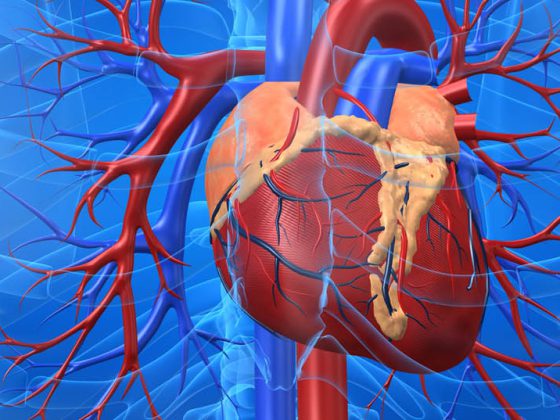
Atrial fibrillation (AF) is the most common arrhythmia of all, with a prevalence of 1-2% – over six million people suffer from it in Europe alone.

The risk of developing VCF increases with age. Accordingly, it can be assumed that the prevalence will double within the next 50 years due to steadily increasing life expectancy [1].

Atrial fibrillation, as a rhythm disorder itself, is not life-threatening, but it is associated with increased morbidity and mortality rates, which is why effective treatment of atrial fibrillation is an increasing focus of interest [2, 3].

The  treatment of atrial fibrillation is not only time-consuming, but also associated with high costs. Basically, two different therapeutic approaches are distinguished,  frequency control and rhythm control; both strategies include optimal thromboembolism prophylaxis with anticoagulants. Contrary to the expectations of many, study results suggest that rhythm control, i.e., restoration and maintenance of sinus rhythm, may not show an advantage over frequency control with respect to cardiovascular events. However, in younger patients (<65 years), rhythm control appears to be associated with significantly lower mortality and risk of heart failure development [4].

Compared to rhythm control, frequency control can be considered as a kind of compromise solution when patients are still symptomatic. Such willingness to compromise is not new in contemporary cardiovascular medicine; it is the development of more minimally invasive technologies that has fostered the willingness to compromise with respect to achieving the therapeutic goal. For example, since the introduction of minimally invasive treatment of aortic valve stenosis using a transcatheter valve, residual aortic regurgitation due to a paravalvular prosthetic leak has been accepted [5]. It is all the more surprising that many colleagues are surprised that this problem negatively affects the patient’s long-term risk.

We see a similar phenomenon in transcatheter mitral valve intervention, where residual mitral regurgitation or “iatrogenically” developed mitral stenosis is associated with increased mortality in treated patients [6].

Cardiac surgery, often equated with “maximum invasiveness,” is also moving toward less traumatic techniques. However, the therapeutic goal of cardiac surgery remains the complete rehabilitation of the diseased condition. Patients and referring physicians rely on the fact that an openly surgically installed heart valve functions perfectly or that blood flow to the heart muscle is improved in the long term after an aorto-coronary bypass. Why don’t we have similar requirements for atrial fibrillation therapy? Would you rather have rate-controlled atrial fibrillation or sinus rhythm after all?

Literature list at the publisher

PD Alberto Weber, MD

Publikation
  • CARDIOVASC
Related Topics
  • Arrhythmia
  • Atrial fibrillation
  • Cardiac Surgery
  • Heart failure
  • Heart Surgeon
  • Rhythm control
  • Risk
  • Transcatheter Mitral Valve Intervention
  • VHF
Previous Article
  • From actinic prurigo to urticaria solaris

Photodermatoses at a glance

  • Dermatology and venereology
  • Education
  • Oncology
  • RX
View Post
Next Article
  • Pulmonary vein isolation

Pathophysiological considerations for the cause and therapy of VCF.

  • Cardiology
  • Education
  • RX
View Post
You May Also Like
View Post
  • 5 min
  • From symptom to diagnosis

Pneumology – Covid-19: a review

    • Cases
    • Education
    • Infectiology
    • Pneumology
    • Prevention and health care
    • Radiology
    • RX
View Post
  • 6 min
  • Abdominal aortic aneurysms in primary care

Risk-stratified screening and prophylaxis

    • Angiology
    • Congress Reports
    • Prevention and health care
    • Radiology
    • RX
    • Studies
    • Surgery
View Post
  • 0 min
  • Plastic surgery and reconstructive microsurgery for DFS

Functional limb preservation between infection control, vascular medicine and resurfacing

    • Angiology
    • CME continuing education
    • Endocrinology and Diabetology
    • General Internal Medicine
    • Geriatrics
    • Physical medicine and rehabilitation
    • RX
    • Surgery
View Post
  • 9 min
  • Cardiology

Minimally invasive – the quiet triumph of modern heart surgery

    • Cardiology
    • CME continuing education
    • RX
    • Studies
    • Surgery
View Post
  • 6 min
  • Age-related neurocognitive disorders

Neuroprotective effects of Ginkgo biloba extract

    • Education
    • Geriatrics
    • Neurology
    • Pharmaceutical medicine
    • Phytotherapy
    • RX
    • Studies
View Post
  • 6 min
    • Education
    • Endocrinology and Diabetology
    • Pneumology
    • Psychiatry and psychotherapy
    • RX
    • Studies

How origin and place of residence promote CF-associated diabetes

View Post
  • 10 min
  • Patients with leg swelling

DVT and other common DDs with peripheral edema

    • Angiology
    • Cardiology
    • Congress Reports
    • Geriatrics
    • RX
View Post
  • 8 min
  • "smarter medicine": Top 5 list for headache treatment

Recommendations of the Swiss Headache Society

    • Dentistry
    • General Internal Medicine
    • Neurology
    • Practice Management
    • RX
    • Studies
  • IBD matters

    Zum Thema
Top CME content
  • 1
    Functional limb preservation between infection control, vascular medicine and resurfacing
  • 2
    Minimally invasive – the quiet triumph of modern heart surgery
  • 3
    HPV prevention, screening innovation and sentinel lymph node biopsy
  • 4
    Clinical care from birth to adulthood
  • 5
    Multidisciplinary teams in oncology

Newsletter

Sign up and stay up to date

Subscribe
Medizinonline Medizinonline
  • Contact
  • General terms and conditions
  • Imprint

Input your search keywords and press Enter.