Medizinonline Medizinonline
  • News
    • News
    • Market & Medicine
  • Patients
    • Disease patterns
    • Diagnostics
    • Therapy
  • Partner Content
    • Dermatology
      • Atopic dermatitis and psoriasis news
    • Diabetes
      • Dia-Month Club – Type 2 Diabetes
      • Diabetes in Motion
      • Diabetes Podcasts
    • Gastroenterology
      • IBD matters
    • Oncology
      • Swiss Oncology in motion
    • Orthopedics
      • Osteoporosis in motion
  • Departments
    • Allergology and clinical immunology
    • General Internal Medicine
    • Anesthesiology
    • Angiology
    • Surgery
    • Dermatology and venereology
    • Endocrinology and Diabetology
    • Nutrition
    • Gastroenterology and Hepatology
    • Genetics
    • Geriatrics
    • Gynecology
    • Hematology
    • Infectiology
    • Cardiology
    • Nephrology
    • Neurology
    • Emergency and intensive care medicine
    • Nuclear Medicine
    • Oncology
    • Ophthalmology
    • ORL
    • Orthopedics
    • Pediatrics
    • Pharmacology and toxicology
    • Pharmaceutical medicine
    • Phlebology
    • Physical medicine and rehabilitation
    • Pneumology
    • Prevention and health care
    • Psychiatry and psychotherapy
    • Radiology
    • Forensic Medicine
    • Rheumatology
    • Sports Medicine
    • Traumatology and trauma surgery
    • Tropical and travel medicine
    • Urology
    • Dentistry
  • CME & Congresses
    • CME continuing education
    • Congress Reports
    • Congress calendar
  • Practice
    • Noctimed
    • Practice Management
    • Jobs
    • Interviews
  • Log In
  • Register
  • My account
  • Contact
  • Publications
  • Contact
  • Deutsch
  • English
  • Français
  • Italiano
  • Português
  • Español
Subscribe
Medizinonline Medizinonline
  • News
    • News
    • Market & Medicine
  • Patienten
    • Krankheitsbilder
    • Diagnostik
    • Therapie
  • Partner Content
    • Dermatology
      • Atopic dermatitis and psoriasis news
    • Diabetes
      • Dia-Month Club – Type 2 Diabetes
      • Diabetes in Motion
      • Diabetes Podcasts
    • Gastroenterology
      • IBD matters
    • Oncology
      • Swiss Oncology in motion
    • Orthopedics
      • Osteoporosis in motion
    • Phytotherapie
    • Rheumatology
  • Departments
    • Fachbereiche 1-13
      • Allergology and clinical immunology
      • General Internal Medicine
      • Anesthesiology
      • Angiology
      • Surgery
      • Dermatology and venereology
      • Endocrinology and Diabetology
      • Nutrition
      • Gastroenterology and Hepatology
      • Genetics
      • Geriatrics
      • Gynecology
      • Hematology
    • Fachbereiche 14-26
      • Infectiology
      • Cardiology
      • Nephrology
      • Neurology
      • Emergency and intensive care medicine
      • Nuclear Medicine
      • Oncology
      • Ophthalmology
      • ORL
      • Orthopedics
      • Pediatrics
      • Pharmacology and toxicology
      • Pharmaceutical medicine
    • Fachbereiche 26-38
      • Phlebology
      • Physical medicine and rehabilitation
      • Phytotherapy
      • Pneumology
      • Prevention and health care
      • Psychiatry and psychotherapy
      • Radiology
      • Forensic Medicine
      • Rheumatology
      • Sports Medicine
      • Traumatology and trauma surgery
      • Tropical and travel medicine
      • Urology
      • Dentistry
  • CME & Congresses
    • CME continuing education
    • Congress Reports
    • Congress calendar
  • Practice
    • Noctimed
    • Practice Management
    • Jobs
    • Interviews
Login

Sie haben noch keinen Account? Registrieren

  • Schwartz-Bartter syndrome

Disruption of osmoregulation – effectively balancing electrolytes

    • Education
    • Hematology
    • Nephrology
    • Oncology
    • Pneumology
    • RX
  • 2 minute read

Schwartz-Bartter syndrome is characterized by an accumulation of water in the body, triggered by an increased release of ADH or ADH-like substances. Nausea, vomiting, headaches and muscle cramps can be the result. The cause is usually small cell lung cancer, but drug side effects or pneumonia are also possible. The therapy depends on the underlying disease. Vasopressin antagonists may also provide relief.

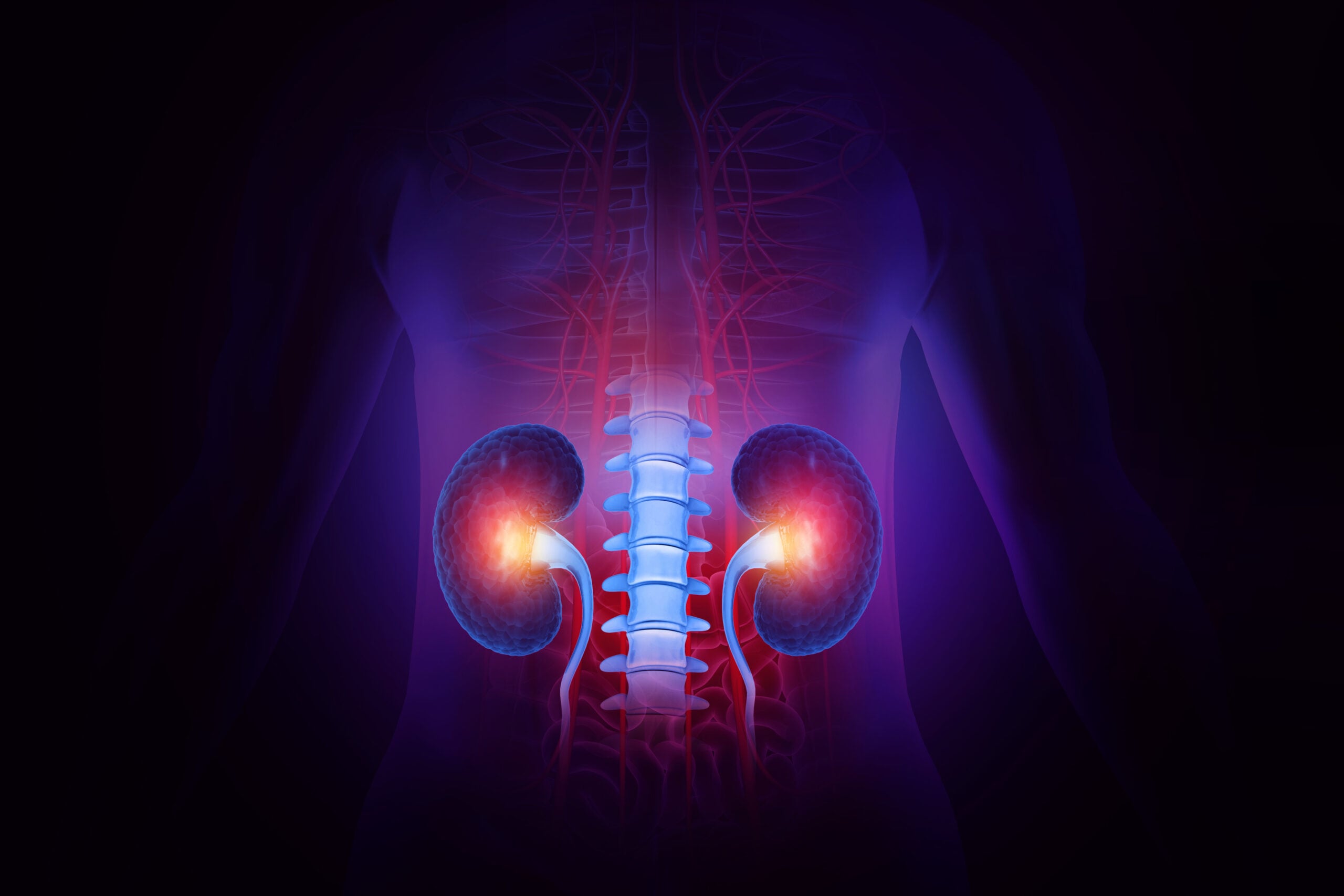
Schwartz-Bartter syndrome (SIADH), also called syndrome of inadequate ADH secretion, is a disorder of osmo-regulation. High secretion of antidiuertic hormone (ADH) results in decreased water retention and, in the course, hyponatremia. Increased secretion of ADH or ADH-like peptides entails the incorporation of water channels (aquaporins) into the luminal cell membrane via a receptor-mediated signaling cascade. Water is drawn into the hyperosmotic renal tissue, urine becomes concentrated, and urine osmolality increases. Serum osmolality, on the other hand, decreases. Thus, hypotonic hyperhydration with dilutional hyponatremia occurs. To eliminate the excess water, the body secretes more ANP and inhibits the RAAS. However, this often results in increased natriuresis, which exacerbates the hyponatremia.

Indifferent symptoms

SIADH may well be asymptomatic and is therefore often an incidental laboratory finding. Otherwise, the complaints are of a rather unspecific nature. Initially, confusion, headache, weakness and muscle cramps may occur. As the disease progresses, dizziness, loss of appetite, vomiting, seizures and impaired consciousness may occur. As a rule, weight gain can also be observed. In over 80% of cases, the disease is based on a small cell lung carcinoma, as this is a hormone-producing tumor and produces ADH in the case of Schwartz-Bartter syndrome. But in rare cases, other causes can be detected. For example, in central nervous processes such as an apoplexy, in inflammatory processes (meningitis, pneumonia) or by certain drugs, such as tricyclic antidepressants, neuroleptics, cytostatics or antiarrhythmics.

Fluid restriction, electrolyte balance, ADH inhibition

The therapy depends first of all on the cause. The second thing that comes into play is clinical symptomatology. The amount of liquid should be restricted here. In the case of neurological complaints, treatment with a hypotonic or isotonic saline solution must be carried out. This is to compensate for the lack of sodium. However, the increase in concentration must be slow, as otherwise central pontine myelinolysis may occur. This is damage to the myelin sheath of nerve fibers, especially in the brain stem. Impaired consciousness, coma, increasing paralysis and dysphagia may result. The majority of those affected recover from the symptoms; however, a fatal outcome is also possible. In addition, it should be kept in mind that hyponatremia is usually accompanied by hypokalemia. Accordingly, potassium substitution should be performed.

Vasopressin antagonists are another treatment option. These block the action of antidiuretic hormone on the kidney. It also prevents the aquaporins from being incorporated into the collecting ducts of the kidney, thus promoting the excretion of electrolyte-free water.

Further reading:

  • www.amboss.com/de/wissen/syndrom-der-inadaquaten-adh-sekretion (last accessed on 10.12.2023)
  • www.dr-gumpert.de/html/schwartz_bartter_syndrom.html (last accessed on 10.12.2023)
  • https://medlexi.de/Schwartz-Bartter-Syndrom (last accessed on 10.12.2023)
  • www.apotheken.de/medikamente/lexikon/s0226-schwartz-bartter-syndrom-syndrom-der-inadequaten-adh-sekretion-siadh (last accessed on 10.12.2023)

InFo ONCOLOGY & HEMATOLOGY 2023; 11(6): 30

Autoren
  • Leoni Burggraf
Publikation
  • InFo ONKOLOGIE & HÄMATOLOGIE
Related Topics
  • Lung cancer
  • Schwartz-Bartter syndrome
  • Vasopressin
Previous Article
  • Parkinson's

Individualized therapy concepts for a better quality of life

  • Congress Reports
  • Geriatrics
  • Neurology
  • RX
  • Studies
View Post
Next Article
  • AI-based skin cancer diagnostics

How do algorithms make complex decisions?

  • Dermatology and venereology
  • Oncology
  • Practice Management
  • Prevention and health care
  • RX
  • Studies
View Post
You May Also Like
View Post
  • 7 min
  • Focus on new therapeutic targets and senolytics

Cellular senescence

    • Education
    • General Internal Medicine
    • Genetics
    • Geriatrics
    • Prevention and health care
    • RX
    • Studies
View Post
  • 3 min
  • Development of a quintuple agonist

New strategy in the fight against obesity and T2D

    • Congress Reports
    • Endocrinology and Diabetology
    • Pharmacology and toxicology
    • RX
    • Studies
View Post
  • 4 min
  • From symptom to diagnosis

Oncocytoma

    • Cases
    • Education
    • Nephrology
    • Oncology
    • Radiology
    • RX
    • Surgery
View Post
  • 7 min
  • Arterial elasticity, vascular ageing, endothelial function

Longevity and cardiovascular health 2025

    • Angiology
    • Cardiology
    • Education
    • General Internal Medicine
    • Geriatrics
    • Prevention and health care
    • RX
    • Studies
View Post
  • 5 min
  • AI-supported risk stratification for chest pain in the emergency room

Performance of a fully automated ECG model

    • Cardiology
    • Education
    • Emergency and intensive care medicine
    • Prevention and health care
    • RX
    • Studies
View Post
  • 11 min
  • Alternative to insulin and GLP1

From the β-cell to the center: the versatile role of amylin

    • CME continuing education
    • Endocrinology and Diabetology
    • RX
    • Studies
View Post
  • 6 min
  • Hormone balance and longevity

Ageing is not a substitution diagnosis

    • Education
    • Endocrinology and Diabetology
    • General Internal Medicine
    • Geriatrics
    • Gynecology
    • Pharmacology and toxicology
    • Prevention and health care
    • RX
    • Studies
View Post
  • 6 min
  • Cardiovascular risk

Bad news for young men with T2D

    • Cardiology
    • Congress Reports
    • Endocrinology and Diabetology
    • Prevention and health care
    • RX
    • Studies
  • IBD matters

    Zum Thema
Top CME content
  • 1
    Control instead of a flood of data: AI makes big data and wearables usable
  • 2
    Causes and prevention at work
  • 3
    Yellow nail and Swyer-James syndrome
  • 4
    Recommendations for action in practice
  • 5
    From the β-cell to the center: the versatile role of amylin

Newsletter

Sign up and stay up to date

Subscribe
Medizinonline Medizinonline
  • Contact
  • General terms and conditions
  • Imprint

Input your search keywords and press Enter.