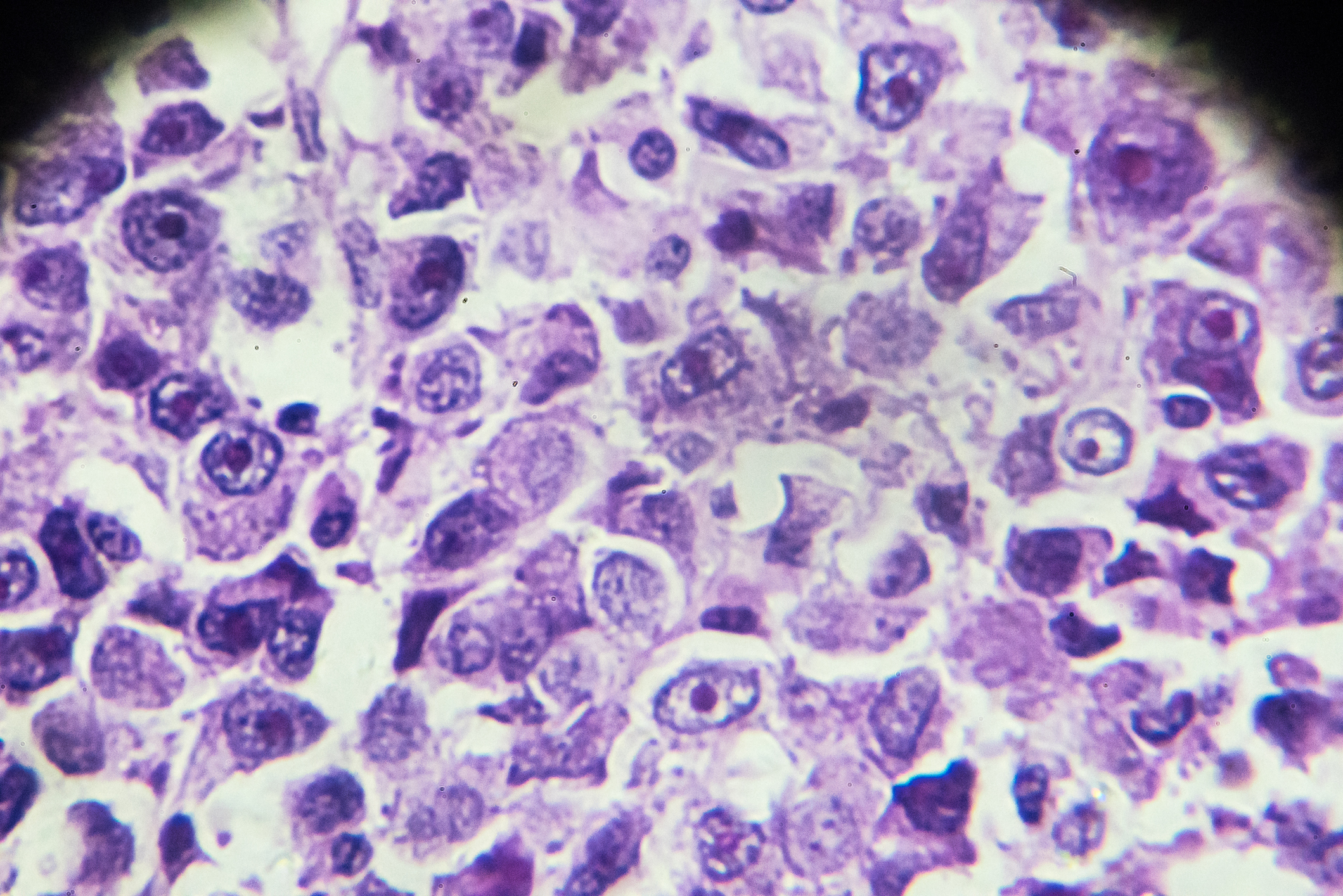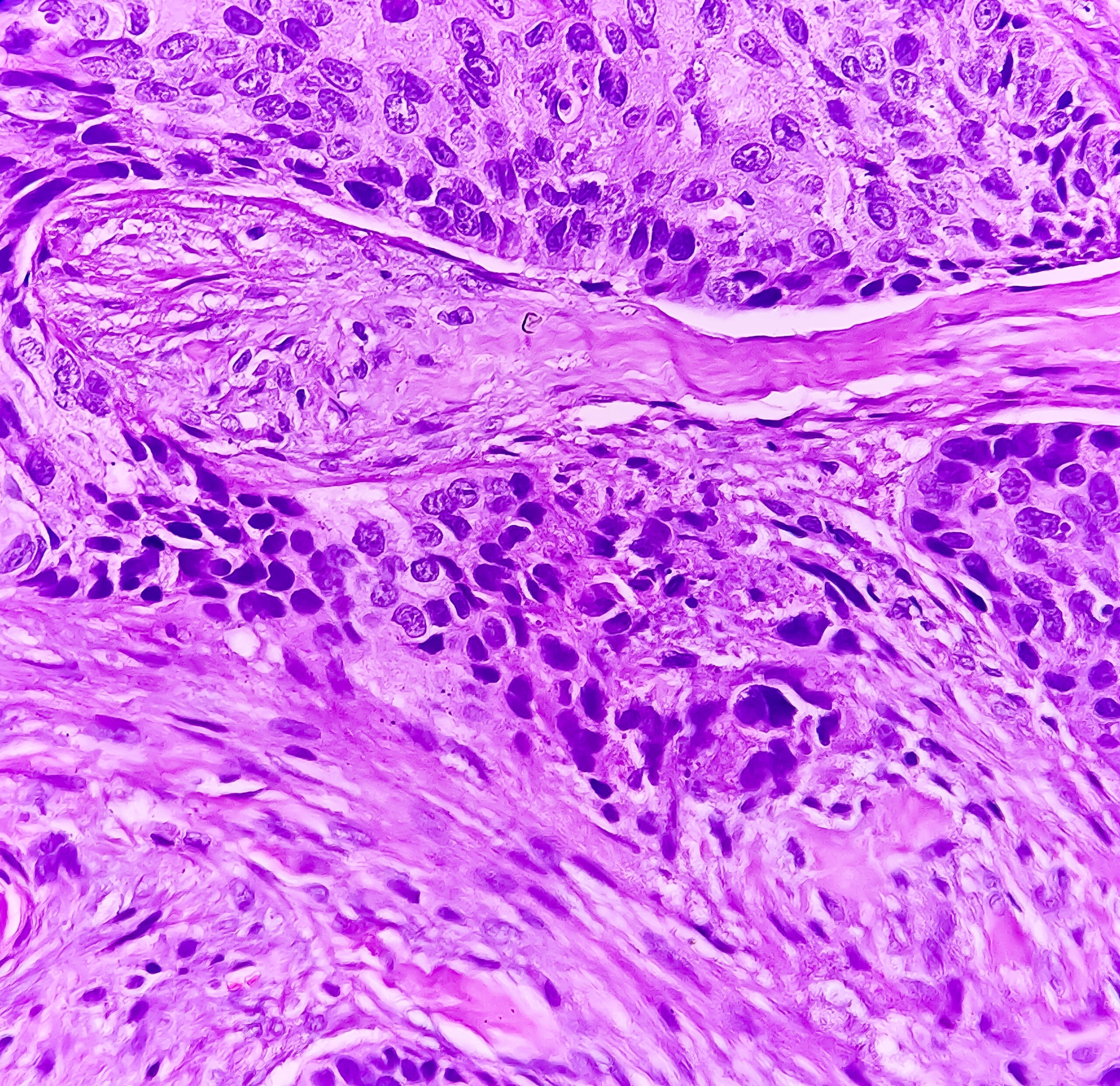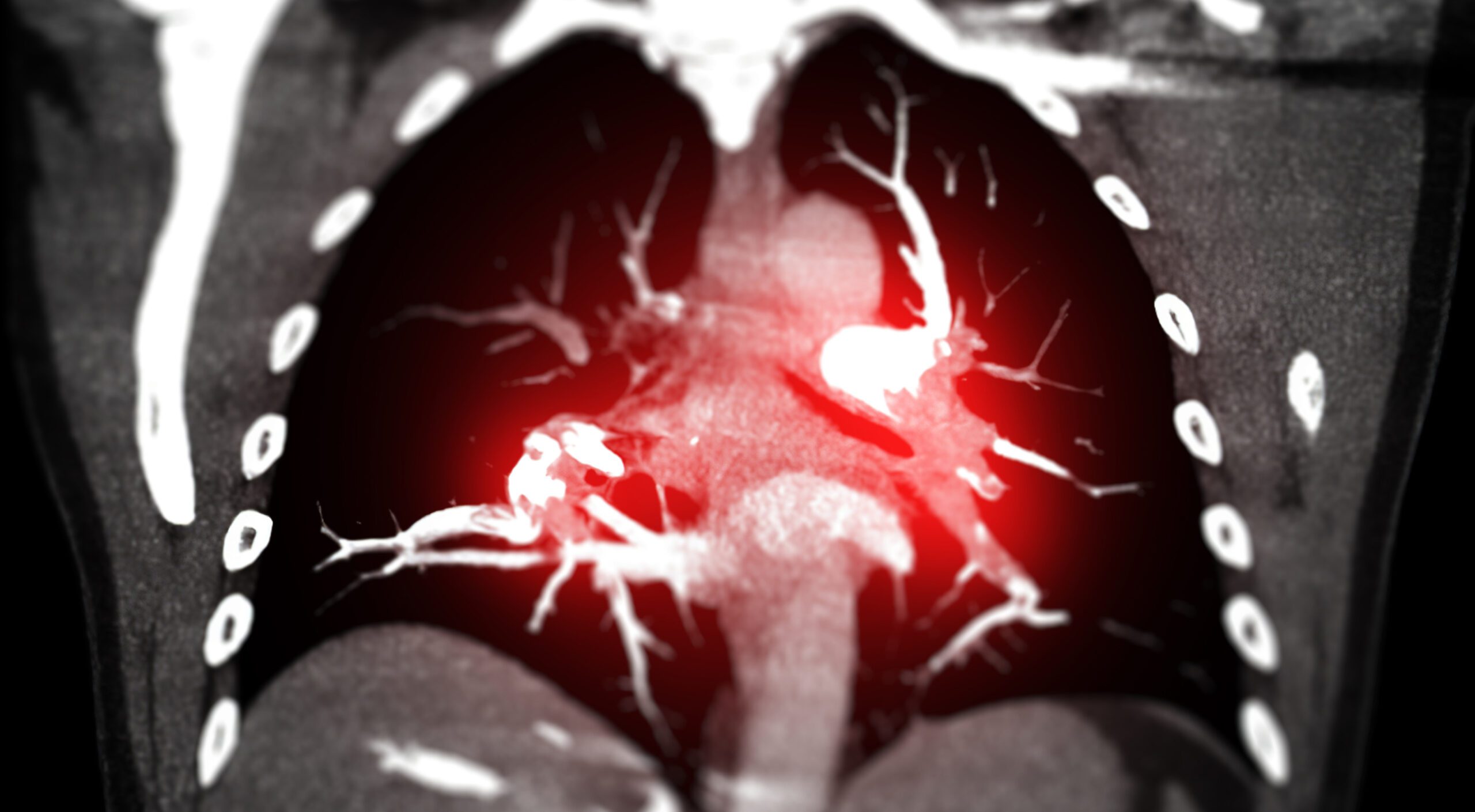
The most common symptoms include acute dyspnea, chest pain, syncope or presyncope and hemoptysis. The spectrum of clinical presentation ranges from asymptomatic patients to hemodynamic instability and shock. The clinical examination findings of the lungs are typically unremarkable. The suspected diagnosis of pulmonary embolism can be confirmed using imaging techniques.
Autoren
- Dr. med. Hans-Joachim Thiel
Publikation
- InFo PNEUMOLOGIE & ALLERGOLOGIE
Related Topics
You May Also Like
- Heart failure and type 2 diabetes
Oral semaglutide and cardiac decompensation in type 2 diabetes
- Atopic dermatitis as a door opener for an atopic cascade?
AD trajectories: Summary of current findings
- New evidence on descensus, urinary incontinence and the future of reconstruction
Urogynecology and pelvic floor surgery 2026
- Proteins in wound healing
Do special amino acids lead to success?
- Case study
Autosomal recessive polycystic kidney disease: atypical phenotype
- Current evidence, risk classes and new counseling options
Hormonal contraception and cardiovascular risk
- Acute otitis media: self-limiting course vs. "red flags"
In which cases are antibiotics necessary?
- Prurigo nodularis: evidence-based treatment