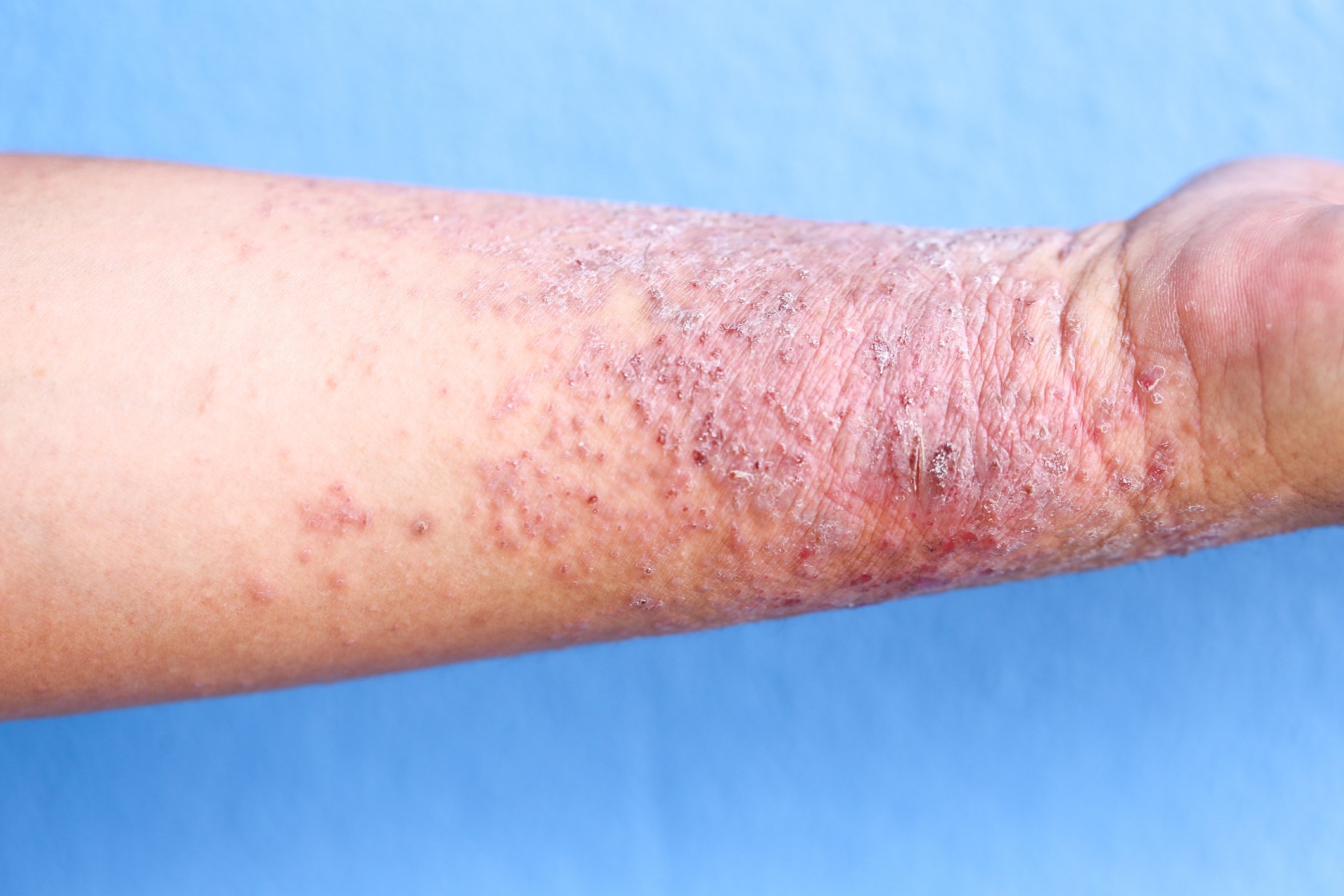
Clinically, atopic dermatitis (AD) manifests itself through a polymorphic picture of efflorescences, with pruritus and xerosis in the foreground. In addition to the antibody therapies dupilumab, tralokinumab and lebrikizumab, which target the IL-4/IL-13 signaling pathway, a fourth biologic, nemolizumab, is now available for the treatment of AD. The latter targets the IL-31 receptor, which mediates non-histaminergic itching. There are also promising findings from clinical studies on anti-OX40(L) antibodies.
Autoren
- Mirjam Peter, M.Sc.
Publikation
- DERMATOLOGIE PRAXIS
Related Topics
You May Also Like
- Moderate to severe atopic dermatitis
Established and novel biologics – the therapeutic landscape is in flux
- Recognize CKD early and avoid dialysis
Screen diabetics and hypertensive patients regularly and use modern therapies
- From symptom to diagnosis
Abdominal pain – Inguinal testicles
- Case series
Mast cell activation syndrome (MCAS)
- Gestational diabetes
Significant CVD prevention through five lifestyle factors
- Modern therapeutic approaches for melanoma
Innovative strategies to overcome immunotherapy resistance
- Irritable Bowel Syndrome
“Best practice” recommendations for step-by-step clarification and stage-adapted therapy
- Nutritional supplements and cognition