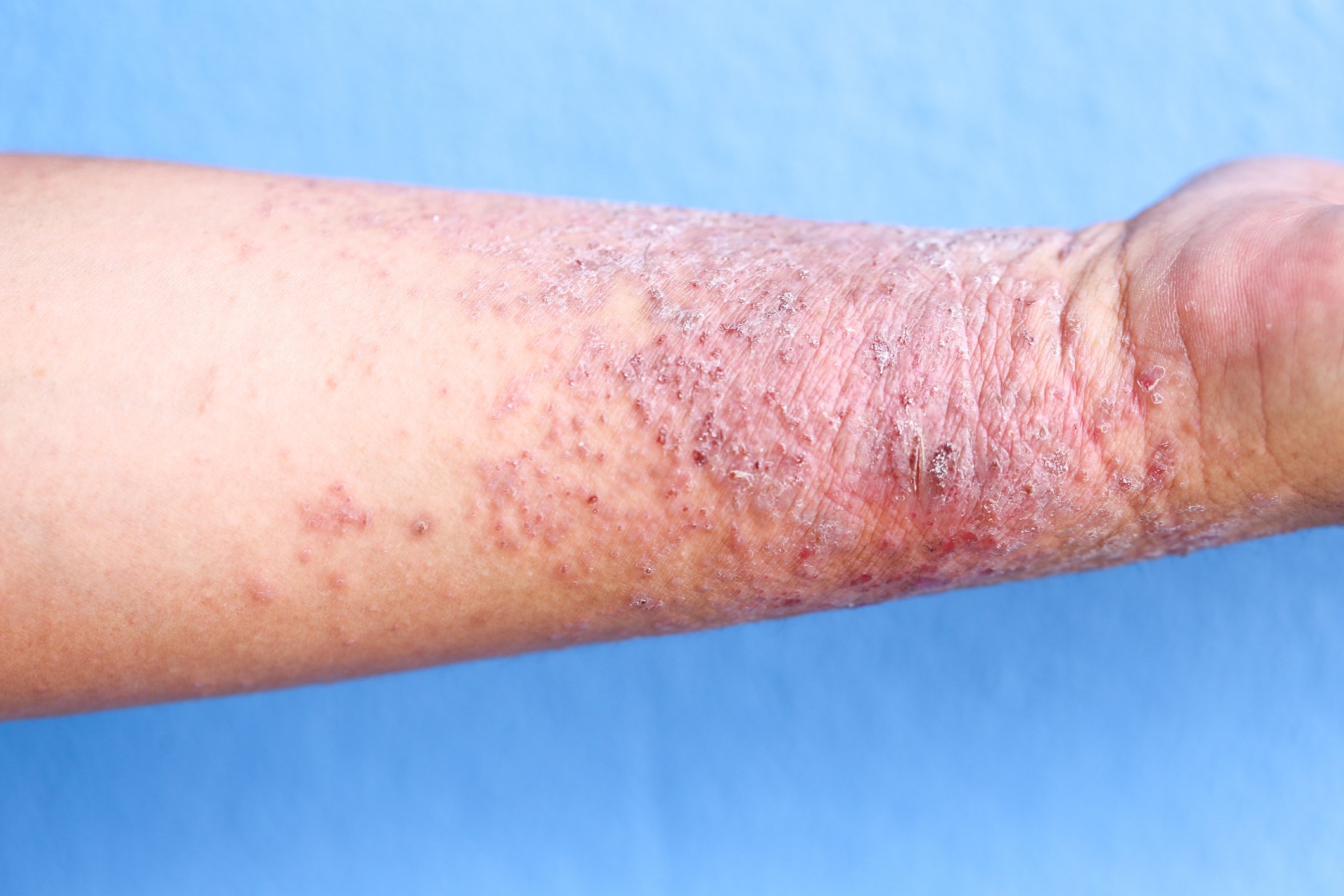
Clinically, atopic dermatitis (AD) manifests itself through a polymorphic picture of efflorescences, with pruritus and xerosis in the foreground. In addition to the antibody therapies dupilumab, tralokinumab and lebrikizumab, which target the IL-4/IL-13 signaling pathway, a fourth biologic, nemolizumab, is now available for the treatment of AD. The latter targets the IL-31 receptor, which mediates non-histaminergic itching. There are also promising findings from clinical studies on anti-OX40(L) antibodies.
Autoren
- Mirjam Peter, M.Sc.
Publikation
- DERMATOLOGIE PRAXIS
Related Topics
You May Also Like
- Myelofibrosis
New findings on the role of inflammation in pathogenesis
- Incretin mimetics for obesity and prediabetes
Liraglutide, semaglutide and tirzepatide: considerable evidence base
- Treatment of infected wounds and wounds at risk of infection
Focus on an interdisciplinary perspective
- Chronic and hard-to-heal wounds
Benefit from the advantages of outpatient negative pressure wound therapy
- COPD
Even a single moderate exacerbation can be a predictor of mortality
- HER2+ metastatic breast cancer
New therapeutic standards with SHR-A 1811
- Angina tonsillaris: clinical management
Conservative therapy or surgery?
- Dermocosmetic for mild to moderate acne