Medizinonline Medizinonline
  • News
    • News
    • Market & Medicine
  • Patients
    • Disease patterns
    • Diagnostics
    • Therapy
  • Partner Content
    • Dermatology
      • Atopic dermatitis and psoriasis news
    • Diabetes
      • Dia-Month Club – Type 2 Diabetes
      • Diabetes in Motion
      • Diabetes Podcasts
    • Gastroenterology
      • IBD matters
    • Oncology
      • Swiss Oncology in motion
    • Orthopedics
      • Osteoporosis in motion
  • Departments
    • Allergology and clinical immunology
    • General Internal Medicine
    • Anesthesiology
    • Angiology
    • Surgery
    • Dermatology and venereology
    • Endocrinology and Diabetology
    • Nutrition
    • Gastroenterology and Hepatology
    • Genetics
    • Geriatrics
    • Gynecology
    • Hematology
    • Infectiology
    • Cardiology
    • Nephrology
    • Neurology
    • Emergency and intensive care medicine
    • Nuclear Medicine
    • Oncology
    • Ophthalmology
    • ORL
    • Orthopedics
    • Pediatrics
    • Pharmacology and toxicology
    • Pharmaceutical medicine
    • Phlebology
    • Physical medicine and rehabilitation
    • Pneumology
    • Prevention and health care
    • Psychiatry and psychotherapy
    • Radiology
    • Forensic Medicine
    • Rheumatology
    • Sports Medicine
    • Traumatology and trauma surgery
    • Tropical and travel medicine
    • Urology
    • Dentistry
  • CME & Congresses
    • CME continuing education
    • Congress Reports
    • Congress calendar
  • Practice
    • Noctimed
    • Practice Management
    • Jobs
    • Interviews
  • Log In
  • Register
  • My account
  • Contact
  • Publications
  • Contact
  • Deutsch
  • English
  • Français
  • Italiano
  • Português
  • Español
Subscribe
Medizinonline Medizinonline
  • News
    • News
    • Market & Medicine
  • Patienten
    • Krankheitsbilder
    • Diagnostik
    • Therapie
  • Partner Content
    • Dermatology
      • Atopic dermatitis and psoriasis news
    • Diabetes
      • Dia-Month Club – Type 2 Diabetes
      • Diabetes in Motion
      • Diabetes Podcasts
    • Gastroenterology
      • IBD matters
    • Oncology
      • Swiss Oncology in motion
    • Orthopedics
      • Osteoporosis in motion
    • Phytotherapie
    • Rheumatology
  • Departments
    • Fachbereiche 1-13
      • Allergology and clinical immunology
      • General Internal Medicine
      • Anesthesiology
      • Angiology
      • Surgery
      • Dermatology and venereology
      • Endocrinology and Diabetology
      • Nutrition
      • Gastroenterology and Hepatology
      • Genetics
      • Geriatrics
      • Gynecology
      • Hematology
    • Fachbereiche 14-26
      • Infectiology
      • Cardiology
      • Nephrology
      • Neurology
      • Emergency and intensive care medicine
      • Nuclear Medicine
      • Oncology
      • Ophthalmology
      • ORL
      • Orthopedics
      • Pediatrics
      • Pharmacology and toxicology
      • Pharmaceutical medicine
    • Fachbereiche 26-38
      • Phlebology
      • Physical medicine and rehabilitation
      • Phytotherapy
      • Pneumology
      • Prevention and health care
      • Psychiatry and psychotherapy
      • Radiology
      • Forensic Medicine
      • Rheumatology
      • Sports Medicine
      • Traumatology and trauma surgery
      • Tropical and travel medicine
      • Urology
      • Dentistry
  • CME & Congresses
    • CME continuing education
    • Congress Reports
    • Congress calendar
  • Practice
    • Noctimed
    • Practice Management
    • Jobs
    • Interviews
Login

Sie haben noch keinen Account? Registrieren

  • DIABETES AND OBESITY

Influence of movement and muscle regulation

    • Endocrinology and Diabetology
    • General Internal Medicine
    • RX
    • Sports Medicine
    • Studies
  • 2 minute read

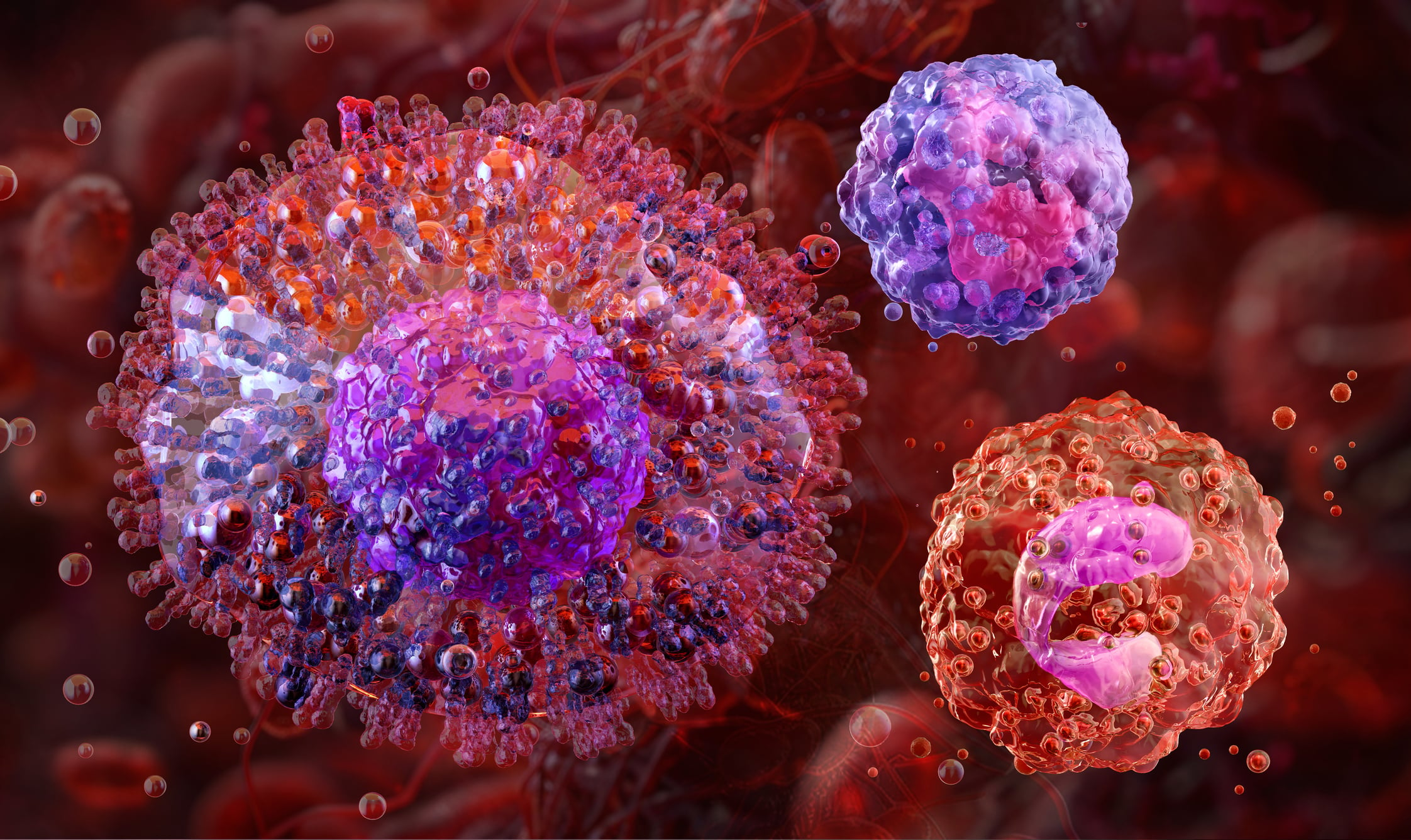
Researchers from Helmholtz Munich and DIfE have taken a closer look at the cellular basis and signaling pathways that are crucial for the positive impact of physical activity on our health. Their finding: regulatory T cells, a special type of immune cell, are crucial for smooth muscle function. This knowledge will help to develop precision therapies to combat metabolic disorders such as obesity and diabetes as well as muscle diseases in the future.

Obesity and type 2 diabetes are on the rise worldwide. Excessive food intake and too little exercise contribute to the development of these diseases. Exercise is a key factor for health: not only can it reduce the risk of obesity and diabetes, but it can also strengthen the immune system, for example. Researchers at the German Center for Diabetes Research (DZD) at Helmholtz Munich and the German Institute of Human Nutrition Potsdam-Rehbrücke (DIfE) have now revealed new links between exercise, muscle function and the immune system. These new findings can not only benefit people with obesity or type 2 diabetes and patients with muscle diseases, but are also crucial for professional athletes. Better understanding of the interactions between the immune system and muscle is accelerating the development of precision immunotherapies for diabetes and other diseases.

Regulatory T cells safeguard muscle function

The positive effects of exercise on metabolism and the immune system are well known. However, the exact mechanisms of how physical activity affects immune cells in muscle were not fully understood until now. The research team has now unraveled the molecular mechanisms by which a special type of immune cell in the human body, regulatory T cells (Tregs), control communication between muscles at rest, during exercise, and during muscle injury. With more exercise, Tregs are found more in muscles, ensuring that they can maintain their function and regenerate after activity.

In the new study, Tregs were manipulated in multiple ways in the laboratory to understand their function in regulating muscle function, strength and in regeneration. As a result, a signaling pathway involved in the immune response and several other physiological processes, the interleukin-6 (IL6) signaling pathway via the IL6 receptor (IL6R) in T cells, was identified as critical for the functionality of Tregs. Only when IL6R is present on the surface of T cells can Tregs control muscle function.

The new findings may also explain why clinical treatments for inflammation that target IL6R often result in muscle weakness as a side effect. In summary, the results underscore the critical contribution that a better understanding of the interactions between the immune system and metabolism in diseases such as diabetes and obesity can make to the development of precision medicines that target Tregs in different environments and contexts.

Original publication:

Maike Becker et al. (2023): Regulatory T cells require IL6 receptor alpha signaling to control skeletal muscle function and regeneration. Cell Metabolism. https://doi.org/10.1016/j.cmet.2023.08.010

Previous Article
  • New studies on COPD

From inhalers, allergies and physical activity

  • Allergology and clinical immunology
  • Congress Reports
  • Pneumology
  • RX
  • Studies
View Post
Next Article
  • PANCREATIC CELLS

Exploration map

  • Endocrinology and Diabetology
  • Genetics
  • RX
  • Studies
View Post
You May Also Like
View Post
  • 11 min
  • Alternative to insulin and GLP1

From the β-cell to the center: the versatile role of amylin

    • CME continuing education
    • Endocrinology and Diabetology
    • RX
    • Studies
View Post
  • 6 min
  • Hormone balance and longevity

Ageing is not a substitution diagnosis

    • Education
    • Endocrinology and Diabetology
    • General Internal Medicine
    • Geriatrics
    • Gynecology
    • Pharmacology and toxicology
    • Prevention and health care
    • RX
    • Studies
View Post
  • 6 min
  • Cardiovascular risk

Bad news for young men with T2D

    • Cardiology
    • Congress Reports
    • Endocrinology and Diabetology
    • Prevention and health care
    • RX
    • Studies
View Post
  • 0 min
  • Case Report

6-year-old child with central retinal artery occlusion

    • Cases
    • Education
    • Ophthalmology
    • Pediatrics
    • RX
    • Studies
View Post
  • 17 min
  • Low grade serous ovarian carcinoma (LGSOC)

Opening up new horizons through combination therapies

    • Congress Reports
    • Gynecology
    • Oncology
    • RX
    • Studies
View Post
  • 7 min
  • Rare diseases

Yellow nail and Swyer-James syndrome

    • CME continuing education
    • Dermatology and venereology
    • General Internal Medicine
    • Infectiology
    • Pneumology
    • RX
View Post
  • 6 min
  • Results of a systematic review and meta-analysis

Physical activity as a therapeutic approach for depression and anxiety disorders

    • Education
    • Psychiatry and psychotherapy
    • RX
    • Sports Medicine
    • Studies
View Post
  • 5 min
  • Underestimated risk - findings from a US cohort

Heart failure after myocardial infarction

    • Cardiology
    • Education
    • RX
    • Studies
  • IBD matters

    Zum Thema
Top CME content
  • 1
    Control instead of a flood of data: AI makes big data and wearables usable
  • 2
    Causes and prevention at work
  • 3
    Yellow nail and Swyer-James syndrome
  • 4
    Recommendations for action in practice
  • 5
    From the β-cell to the center: the versatile role of amylin

Newsletter

Sign up and stay up to date

Subscribe
Medizinonline Medizinonline
  • Contact
  • General terms and conditions
  • Imprint

Input your search keywords and press Enter.