Medizinonline Medizinonline
  • News
    • News
    • Market & Medicine
  • Patients
    • Disease patterns
    • Diagnostics
    • Therapy
  • Partner Content
    • Diabetes
      • Dia-Month Club – Type 2 Diabetes
      • Diabetes in Motion
      • Diabetes Podcasts
    • Gastroenterology
      • IBD matters
    • Oncology
      • Swiss Oncology in motion
    • Orthopedics
      • Osteoporosis in motion
  • Departments
    • Allergology and clinical immunology
    • General Internal Medicine
    • Anesthesiology
    • Angiology
    • Surgery
    • Dermatology and venereology
    • Endocrinology and Diabetology
    • Nutrition
    • Gastroenterology and Hepatology
    • Genetics
    • Geriatrics
    • Gynecology
    • Hematology
    • Infectiology
    • Cardiology
    • Nephrology
    • Neurology
    • Emergency and intensive care medicine
    • Nuclear Medicine
    • Oncology
    • Ophthalmology
    • ORL
    • Orthopedics
    • Pediatrics
    • Pharmacology and toxicology
    • Pharmaceutical medicine
    • Phlebology
    • Physical medicine and rehabilitation
    • Pneumology
    • Prevention and health care
    • Psychiatry and psychotherapy
    • Radiology
    • Forensic Medicine
    • Rheumatology
    • Sports Medicine
    • Traumatology and trauma surgery
    • Tropical and travel medicine
    • Urology
    • Dentistry
  • CME & Congresses
    • CME continuing education
    • Congress Reports
    • Congress calendar
  • Practice
    • Noctimed
    • Practice Management
    • Jobs
    • Interviews
  • Log In
  • Register
  • My account
  • Contact
  • Publications
  • Contact
  • Deutsch
  • English
  • Français
  • Italiano
  • Português
  • Español
Subscribe
Medizinonline Medizinonline
  • News
    • News
    • Market & Medicine
  • Patienten
    • Krankheitsbilder
    • Diagnostik
    • Therapie
  • Partner Content
    • Diabetes
      • Dia-Month Club – Type 2 Diabetes
      • Diabetes in Motion
      • Diabetes Podcasts
    • Gastroenterology
      • IBD matters
    • Oncology
      • Swiss Oncology in motion
    • Orthopedics
      • Osteoporosis in motion
    • Phytotherapie
    • Rheumatology
  • Departments
    • Fachbereiche 1-13
      • Allergology and clinical immunology
      • General Internal Medicine
      • Anesthesiology
      • Angiology
      • Surgery
      • Dermatology and venereology
      • Endocrinology and Diabetology
      • Nutrition
      • Gastroenterology and Hepatology
      • Genetics
      • Geriatrics
      • Gynecology
      • Hematology
    • Fachbereiche 14-26
      • Infectiology
      • Cardiology
      • Nephrology
      • Neurology
      • Emergency and intensive care medicine
      • Nuclear Medicine
      • Oncology
      • Ophthalmology
      • ORL
      • Orthopedics
      • Pediatrics
      • Pharmacology and toxicology
      • Pharmaceutical medicine
    • Fachbereiche 26-38
      • Phlebology
      • Physical medicine and rehabilitation
      • Phytotherapy
      • Pneumology
      • Prevention and health care
      • Psychiatry and psychotherapy
      • Radiology
      • Forensic Medicine
      • Rheumatology
      • Sports Medicine
      • Traumatology and trauma surgery
      • Tropical and travel medicine
      • Urology
      • Dentistry
  • CME & Congresses
    • CME continuing education
    • Congress Reports
    • Congress calendar
  • Practice
    • Noctimed
    • Practice Management
    • Jobs
    • Interviews
Login

Sie haben noch keinen Account? Registrieren

  • Iron deficiency

Modern treatment management in the lifespan

    • Congress Reports
    • General Internal Medicine
    • Hematology
    • RX
  • 2 minute read

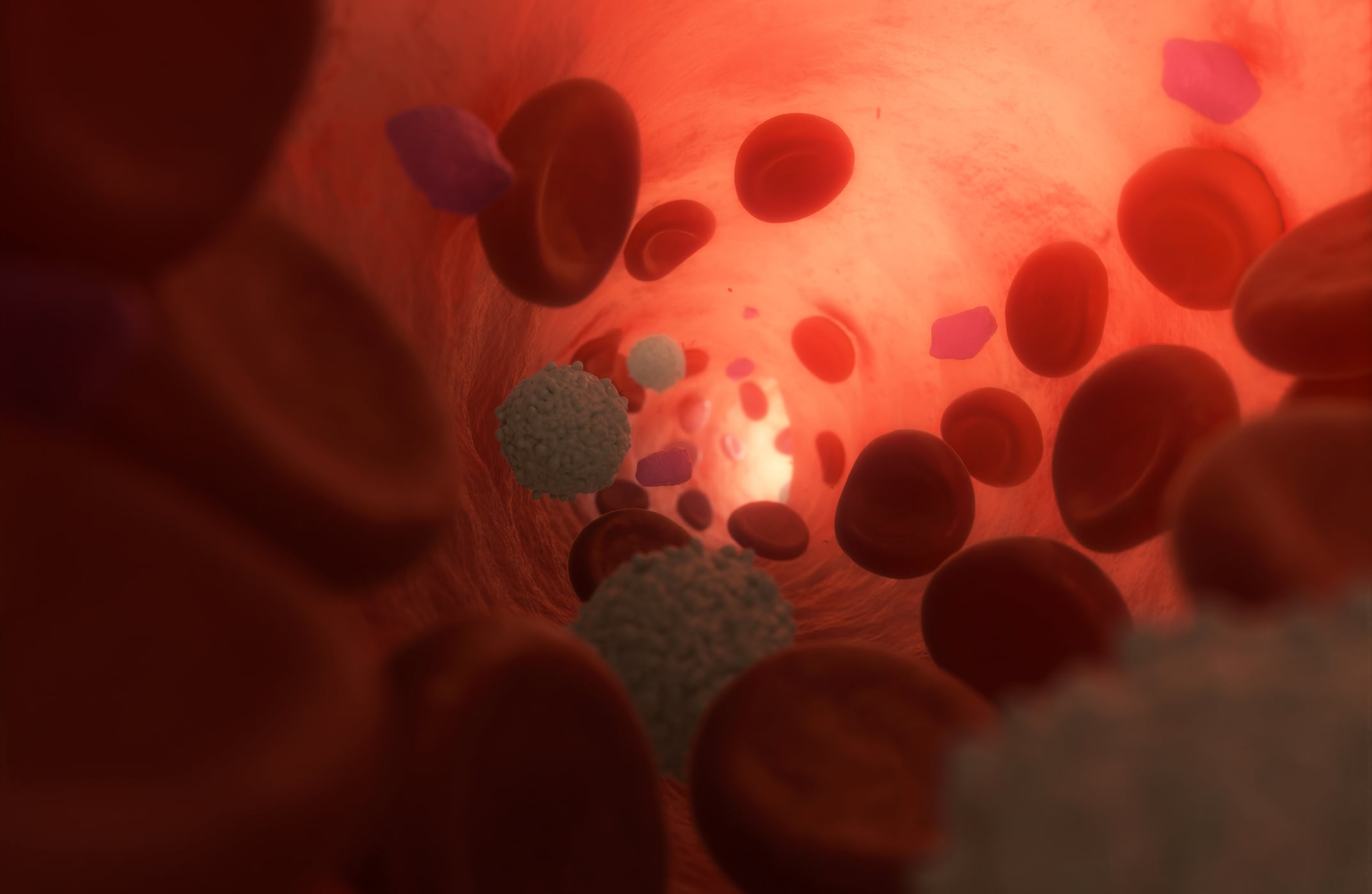
Iron deficiency is a common problem in family practice and can occur throughout a person’s lifespan. The reasons are varied, as are the symptoms that a deficient iron level can cause. At the 13th Iron Academy, renowned experts explained which patients merit a closer look, what challenges exist in diagnostics, and how iron can be effectively substituted.

Iron is essential for a number of other metabolic processes such as oxidation protection, cellular respiration, citric acid cycle, energy and purine metabolism, in addition to its well-known function as oxygen transport. Two-thirds of the trace element is present as functional iron, primarily in hemoglobin, while the remaining third is available to erythropoiesis as a storage form. Dietary iron can be absorbed directly by enterocytes in the duodenum if it is present as divalent iron. Trivalent iron is reduced to divalent by ferrin reductase. One of the most important regulators of iron absorption is the hormone hepcidin, which decreases iron release from enterocytes and macrophages by inhibiting ferroportin.

Iron deficiency can present in different forms, as Prof. A. von Eckardstein, MD, explained (Fig. 1) . According to guidelines, a test combination of hemoglobin, ferritin, transferrin saturation and CRP should be selected for effective diagnosis.


Iron deficiency can occur at any age

Worldwide, more than two billion people – children and adults alike – live with iron levels that are too low. There is a risk especially in premature infants, preschool children with excessive consumption of cow’s milk or vegetarian diet, female adolescents with heavy menstruation, pregnant women and elderly patients due to malnutrition. Chronic fatigue, general weakness, loss of appetite, increased hair loss or sleep disturbances can be signs of iron deficiency, among others.

Effects on heart health

Iron deficiency is also very common, especially in HFrEF patients, at 54% – predominantly in women and patients with anemia, high NT-proBNP, and/or elevated hsCRP. The effects can be far-reaching. PD Dr. med. M.T. Maeder used study results to show that the prognosis deteriorates significantly. Survival in patients without iron deficiency averaged 66.7% and 53.6% in those with additional iron deficiency. Iron deficiency was defined as ferritin <100 µg/l or ferritin 100-300 µg/l and TFS <20%. The higher the NYHA status, the greater the likelihood of iron deficiency and/or anemia.


Oral or IV iron substitution?

A number of both oral and intravenous iron administrations are available for substitution. Oral administration is still frequently used, although the onset of action is delayed compared to parenteral administration. In contrast, according to the current ESC guideline, patients with heart failure should be treated immediately with ferrocarboxymaltose. For example, in a clinical trial, a difference in 6-minute walking distance of 33 m was achieved compared with placebo.

Correction of iron deficiency with intravenous iron supplementation improves quality of life, increases exercise capacity, and reduces the risk of heart failure-related rehospitalization. According to the latest studies, oral iron therapy is not sufficiently effective.

Source: Iron Academy

HAUSARZT PRAXIS 2020; 15(12): 36 (published 10/12/20, ahead of print).

Autoren
  • Leoni Burggraf
Publikation
  • HAUSARZT PRAXIS
Related Topics
  • Causes
  • Diagnostics
  • Family Practice
  • Ferritin value
  • Iron Academy
  • Iron deficiency
  • Iron substitution
  • Lifespan
  • Sypmtome
  • Treatment Management
Previous Article
  • Psoriasis

Comorbid obesity is common and relevant to treatment

  • Congress Reports
  • Dermatology and venereology
  • RX
  • Studies
View Post
Next Article
  • Pancreatic Cancer

Effectiveness of treatment depends on molecular prerequisites

  • Education
  • Genetics
  • Oncology
  • RX
  • Studies
View Post
You May Also Like
View Post
  • 3 min
  • Psoriasis Research: What's in the Pipeline?

Highly selective oral TYK inhibitors in Phase III

    • RX
    • Allergology and clinical immunology
    • Congress Reports
    • Dermatology and venereology
    • Pharmacology and toxicology
    • Rheumatology
    • Studies
View Post
  • 11 min
  • Cardiometabolism

Retatrutid and the TRIUMPH Program: The Triple Agonist on the Horizon

    • RX
    • Cardiology
    • Education
    • Endocrinology and Diabetology
    • General Internal Medicine
    • Nutrition
    • Prevention and health care
    • Studies
View Post
  • 7 min
  • Pediatric Retinoblastoma

The Tumor Microenvironment and Modern Eye-Sparing Therapies

    • RX
    • Education
    • Oncology
    • Ophthalmology
    • Pediatrics
View Post
  • 3 min
  • Adherence and management in asthma and COPD

Better to listen to the pharmacist

    • RX
    • Education
    • General Internal Medicine
    • Pharmacology and toxicology
    • Pneumology
    • Studies
View Post
  • 14 min
  • Focus Update 2026

Echocardiography in Cardio-Oncology

    • RX
    • Cardiology
    • Education
    • Oncology
    • Radiology
    • Studies
View Post
  • 4 min
  • Physical activity with IBD

Sport is not murder, but it doesn’t help either

    • RX
    • Education
    • Gastroenterology and Hepatology
    • General Internal Medicine
    • Sports Medicine
    • Studies
View Post
  • 3 min
  • White and Black Skin Cancer

Biology and Modern Therapeutic Approaches

    • RX
    • Dermatology and venereology
    • Education
    • Oncology
    • Prevention and health care
    • Studies
    • Surgery
View Post
  • 5 min
  • Highlights from the AAD Annual Meeting

Atopic Dermatitis: Interesting News on Drug Candidates in Phase III

    • RX
    • Allergology and clinical immunology
    • Congress Reports
    • Dermatology and venereology
    • Studies
  • IBD matters

    Zum Thema
Top CME content
  • 1
    Update on Anti-Rheumatic Medications
  • 2
    Psychiatry versus Neuro-Oncology: Diagnostic Pitfalls
  • 3
    Focus on preventive care options
  • 4
    Inflammation as a Treatment Goal in Its Own Right
  • 5
    Personalized Treatment Before a Planned Pregnancy

Newsletter

Sign up and stay up to date

Subscribe
Medizinonline Medizinonline
  • Contact
  • General terms and conditions
  • Imprint

Input your search keywords and press Enter.