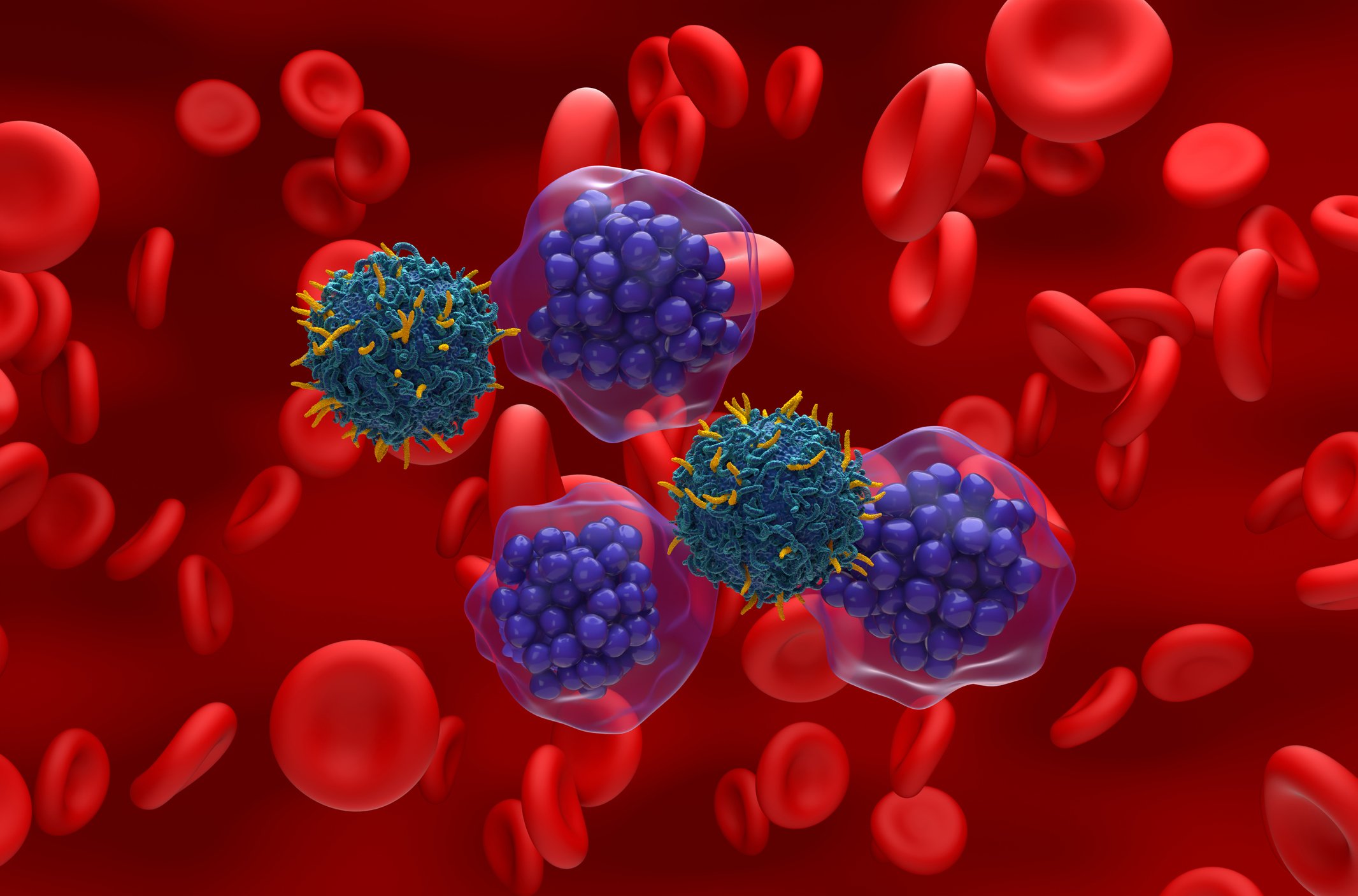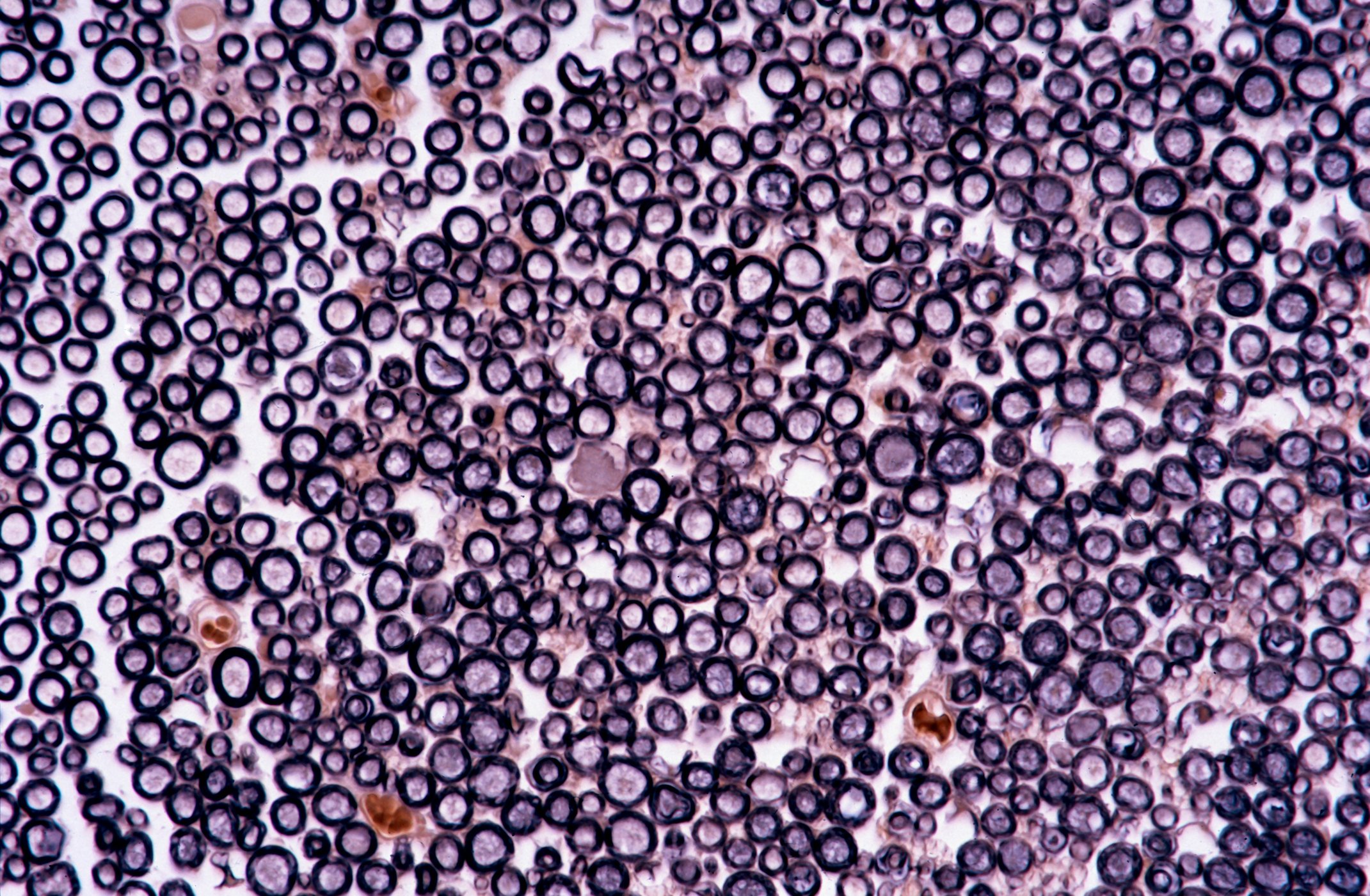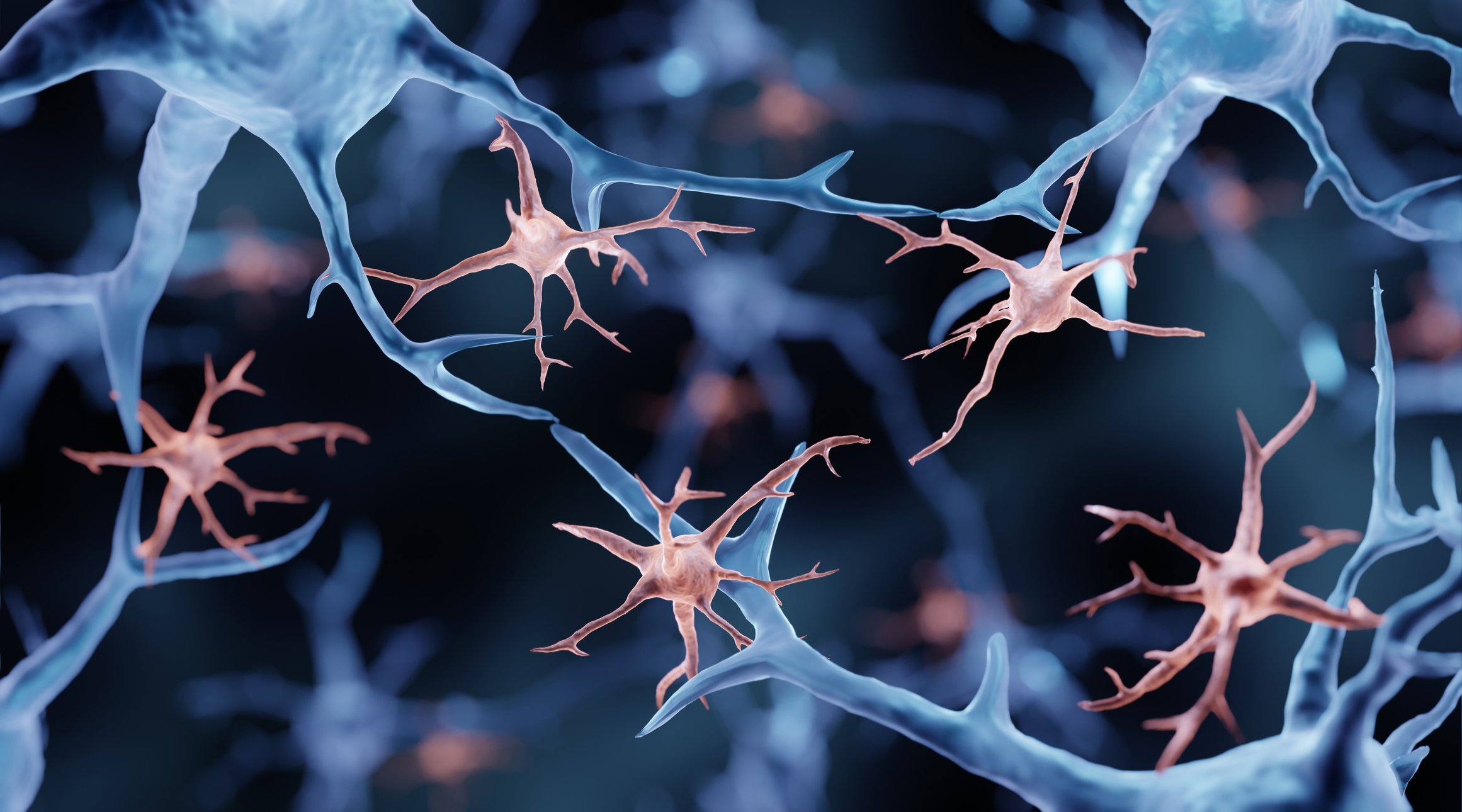
The treatment of multiple sclerosis has made enormous progress thanks to highly effective disease-modifying therapies, in particular anti-CD20 antibodies. For most newly diagnosed patients, a life without disability is realistic. However, the focus is now shifting from preventing acute relapses to combating the insidious progression of disability. New approaches target cellular mechanisms in the CNS and the promotion of remyelination.
Autoren
- Dr. Ulf Blanke
Publikation
- InFo NEUROLOGIE & PSYCHIATRIE

You May Also Like
- Sleep disorder
Sleep medicine in transition: new goals and a reassessment of old hypnotics
- Ginkgo biloba extract in the Alzheimer's mouse model
Effects on disease-associated microglia subpopulations
- "Patients W.A.I.T Indicator"
Access to medicines – how does Switzerland compare across Europe?
- Adherence in severe or poorly controlled asthma
Digital monitoring with potential for greater treatment adherence
- Crohn's disease and depression
Significant psychological stress for CD patients
- Epilepsy
Cannabidiol for refractory epilepsy syndromes
- Stomach cancer and Helicobacter pylori
A question of income?
- Prurigo nodularis and AD