Medizinonline Medizinonline
  • News
    • News
    • Market & Medicine
  • Patients
    • Disease patterns
    • Diagnostics
    • Therapy
  • Partner Content
    • Diabetes
      • Dia-Month Club – Type 2 Diabetes
      • Diabetes in Motion
      • Diabetes Podcasts
    • Gastroenterology
      • IBD matters
    • Oncology
      • Swiss Oncology in motion
    • Orthopedics
      • Osteoporosis in motion
  • Departments
    • Allergology and clinical immunology
    • General Internal Medicine
    • Anesthesiology
    • Angiology
    • Surgery
    • Dermatology and venereology
    • Endocrinology and Diabetology
    • Nutrition
    • Gastroenterology and Hepatology
    • Genetics
    • Geriatrics
    • Gynecology
    • Hematology
    • Infectiology
    • Cardiology
    • Nephrology
    • Neurology
    • Emergency and intensive care medicine
    • Nuclear Medicine
    • Oncology
    • Ophthalmology
    • ORL
    • Orthopedics
    • Pediatrics
    • Pharmacology and toxicology
    • Pharmaceutical medicine
    • Phlebology
    • Physical medicine and rehabilitation
    • Pneumology
    • Prevention and health care
    • Psychiatry and psychotherapy
    • Radiology
    • Forensic Medicine
    • Rheumatology
    • Sports Medicine
    • Traumatology and trauma surgery
    • Tropical and travel medicine
    • Urology
    • Dentistry
  • CME & Congresses
    • CME continuing education
    • Congress Reports
    • Congress calendar
  • Practice
    • Noctimed
    • Practice Management
    • Jobs
    • Interviews
  • Log In
  • Register
  • My account
  • Contact
  • Publications
  • Contact
  • Deutsch
  • English
  • Français
  • Italiano
  • Português
  • Español
Subscribe
Medizinonline Medizinonline
  • News
    • News
    • Market & Medicine
  • Patienten
    • Krankheitsbilder
    • Diagnostik
    • Therapie
  • Partner Content
    • Diabetes
      • Dia-Month Club – Type 2 Diabetes
      • Diabetes in Motion
      • Diabetes Podcasts
    • Gastroenterology
      • IBD matters
    • Oncology
      • Swiss Oncology in motion
    • Orthopedics
      • Osteoporosis in motion
    • Phytotherapie
    • Rheumatology
  • Departments
    • Fachbereiche 1-13
      • Allergology and clinical immunology
      • General Internal Medicine
      • Anesthesiology
      • Angiology
      • Surgery
      • Dermatology and venereology
      • Endocrinology and Diabetology
      • Nutrition
      • Gastroenterology and Hepatology
      • Genetics
      • Geriatrics
      • Gynecology
      • Hematology
    • Fachbereiche 14-26
      • Infectiology
      • Cardiology
      • Nephrology
      • Neurology
      • Emergency and intensive care medicine
      • Nuclear Medicine
      • Oncology
      • Ophthalmology
      • ORL
      • Orthopedics
      • Pediatrics
      • Pharmacology and toxicology
      • Pharmaceutical medicine
    • Fachbereiche 26-38
      • Phlebology
      • Physical medicine and rehabilitation
      • Phytotherapy
      • Pneumology
      • Prevention and health care
      • Psychiatry and psychotherapy
      • Radiology
      • Forensic Medicine
      • Rheumatology
      • Sports Medicine
      • Traumatology and trauma surgery
      • Tropical and travel medicine
      • Urology
      • Dentistry
  • CME & Congresses
    • CME continuing education
    • Congress Reports
    • Congress calendar
  • Practice
    • Noctimed
    • Practice Management
    • Jobs
    • Interviews
Login

Sie haben noch keinen Account? Registrieren

  • Trigeminal neuralgia

New guideline recommendations presented

    • Congress Reports
    • Neurology
    • RX
  • 2 minute read

According to the new EAN guidelines, paroxysmal disorder caused by neurovascular compression should be diagnosed by MRI. Neurovascular contact (NVC) should be used only with regard to possible surgery, not to confirm diagnosis. Carbamazepine and oxcarbazepine are recommended for first-line prophylactic treatment.

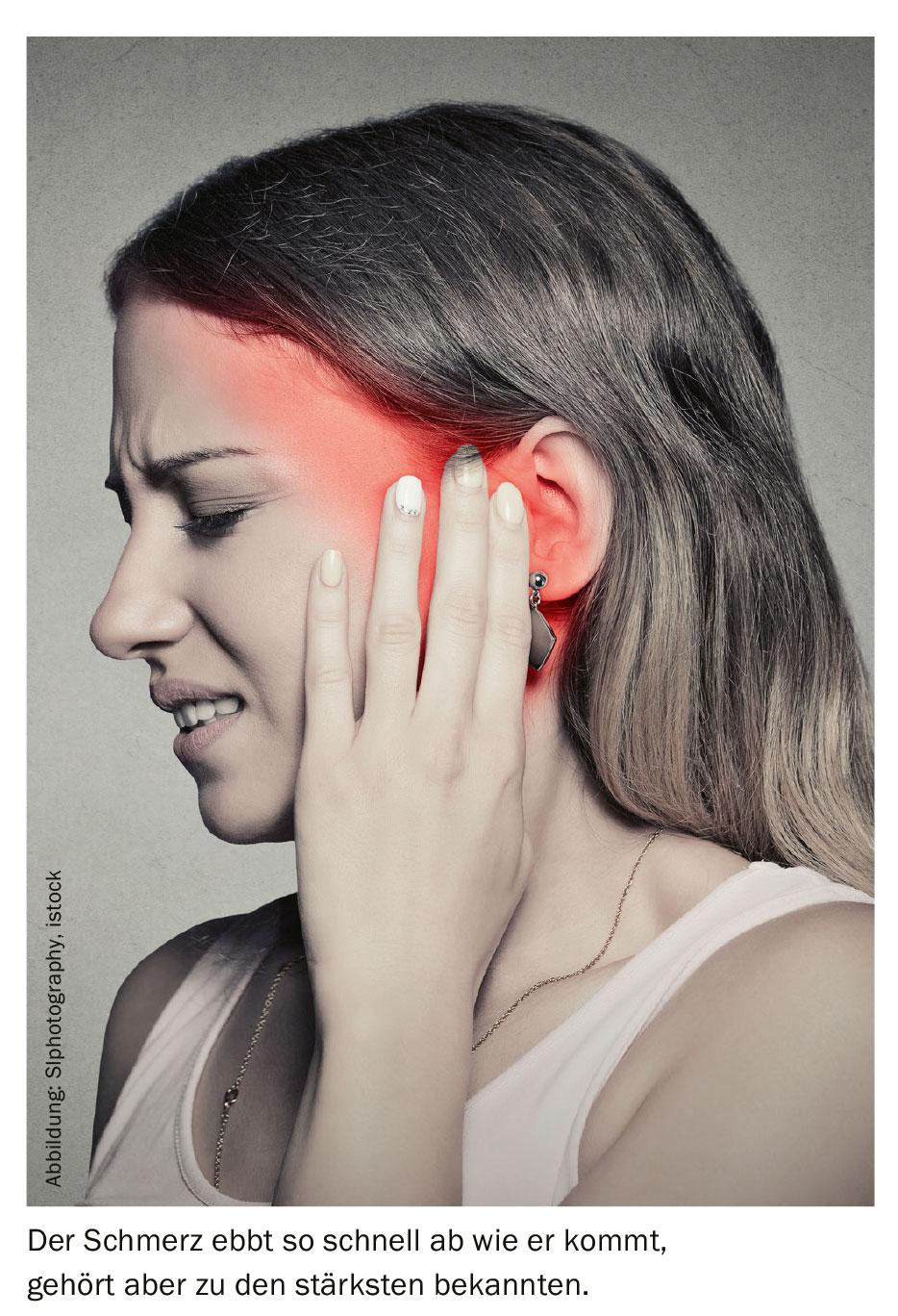
Trigeminal neuralgia (TN) is defined as a flashing, extremely sharp, electrifying and stabbing pain in the area supplied by one or more trigeminal branches. The attacks usually last a few seconds, but in rare cases can last up to two minutes. They are often triggered by speech, other mouth movements or touch in the area supplied by the trigeminal nerve, but can also occur spontaneously. A distinction is made between idiopathic and symptomatic trigeminal neuralgia. While patients with an idiopathic form are usually pain-free between attacks, those with a symptomatic form are not and there is often, but not regularly, a sensory deficit in the affected trigeminal branch.

The new EAN guideline answers the top ten questions patients and pain specialists face when managing TN. The new classification includes three categories: idiopathic TN (no NVC or NVC without morphologic changes in the trigeminal root), classic TN (resulting from neurovascular compression with morphologic changes in the trigeminal root), and secondary TN (resulting from severe neurologic disease such as multiple sclerosis). Patients with secondary TN generally appear to be younger and more likely to have trigeminal sensory deficits and bilateral pain.


MRI supports clinical diagnosis

A correct diagnosis is essential and should be based on clinical features as described in the latest classification system. MRI is necessary to rule out secondary causes of TN such as tumors and multiple sclerosis. Specific imaging protocols have been developed to determine whether the trigeminal nerve root is compressed by one or more blood vessels. Evidence of neurovascular contact should not be used to confirm the diagnosis of TN but should be used to guide decisions about possible surgery.


Long-term treatment with antiepileptic drugs

First-line treatment of TN is pharmacologic. The use of opioids is not usually effective for acute pain episodes in patients with TN. Acute pain episodes may require hospital admission for rehydration and intravenous infusion and titration of antiepileptic drugs. Long-term treatment is based on antiepileptic drugs, with carbamazepine and oxcarbazepine being first-line drugs. It is important that patients be accompanied by pain specialists who can advise them on how to titrate the dosage of medications according to effect and side effects. Patients should be offered surgery if their pain is not adequately controlled medically or if medical treatment is poorly tolerated. Surgical options include microvascular decompression, in which the blood vessel is moved, and various procedures in which the trigeminal nerve is partially destroyed. Microvascular decompression is recommended as first-line surgery when the nerve is compressed by a blood vessel.

Source: 5th Congress of the European Academy of Neurology (EAN).


InFo NEUROLOGY & PSYCHIATRY 2019; 17(6): 31 (published 11/24/19, ahead of print).

Publikation
  • InFo NEUROLOGIE & PSYCHIATRIE
Related Topics
  • Trigeminal neuralgia
Previous Article
  • Chronic kidney disease

Effective blood pressure reduction helps prevent CKD

  • Cardiology
  • Education
  • Nephrology
  • RX
View Post
Next Article
  • Pleural diseases in thoracic sonography

Etiological differentiation by means of sono

  • Education
  • Pneumology
  • Radiology
  • RX
View Post
You May Also Like
View Post
  • 6 min
  • Preclinical study on phytotherapeutic agent

Active ingredient combination of peppermint and caraway oil modified fecal microbiota

    • RX
    • Education
    • Gastroenterology and Hepatology
    • General Internal Medicine
    • Pharmaceutical medicine
    • Phytotherapy
    • Studies
View Post
  • 4 min
  • Casuistry

Rituximab used effectively against IgG4-RD colitis

    • RX
    • Cases
    • Education
    • Gastroenterology and Hepatology
    • General Internal Medicine
    • Radiology
    • Rheumatology
View Post
  • 5 min
  • Sarcoidosis

New options from JAKi to mTOR

    • RX
    • Congress Reports
    • General Internal Medicine
    • Pneumology
    • Studies
View Post
  • 6 min
  • Head and neck squamous cell carcinoma

Precision immunotherapy and local treatment

    • RX
    • Congress Reports
    • Dermatology and venereology
    • Oncology
    • ORL
    • Studies
View Post
  • 3 min
  • From symptom to diagnosis

Abdominal pain – Prostate cysts

    • RX
    • Cases
    • Education
    • General Internal Medicine
    • Radiology
    • Surgery
    • Urology
View Post
  • 0 min
  • Multimodal Parkinson's Treatment

Positive Effects of a Music-Based Intervention

    • RX
    • Education
    • Geriatrics
    • Neurology
    • Physical medicine and rehabilitation
    • Psychiatry and psychotherapy
View Post
  • 8 min
  • Psychooncology

Communication as the key to therapy adherence

    • RX
    • CME continuing education
    • General Internal Medicine
    • Practice Management
View Post
  • 9 min
  • Cardiology

Minimally invasive – the quiet triumph of modern heart surgery

    • RX
    • Cardiology
    • CME continuing education
    • Studies
    • Surgery
  • IBD matters

    Zum Thema
Top CME content
  • 1
    Current State of Knowledge and New Therapeutic Approaches
  • 2
    Why is it so hard to lose weight?
  • 3
    Functional limb preservation between infection control, vascular medicine and resurfacing
  • 4
    Algorithms, avatars and the unburdened mind
  • 5
    Communication as the key to therapy adherence

Newsletter

Sign up and stay up to date

Subscribe
Medizinonline Medizinonline
  • Contact
  • General terms and conditions
  • Imprint

Input your search keywords and press Enter.