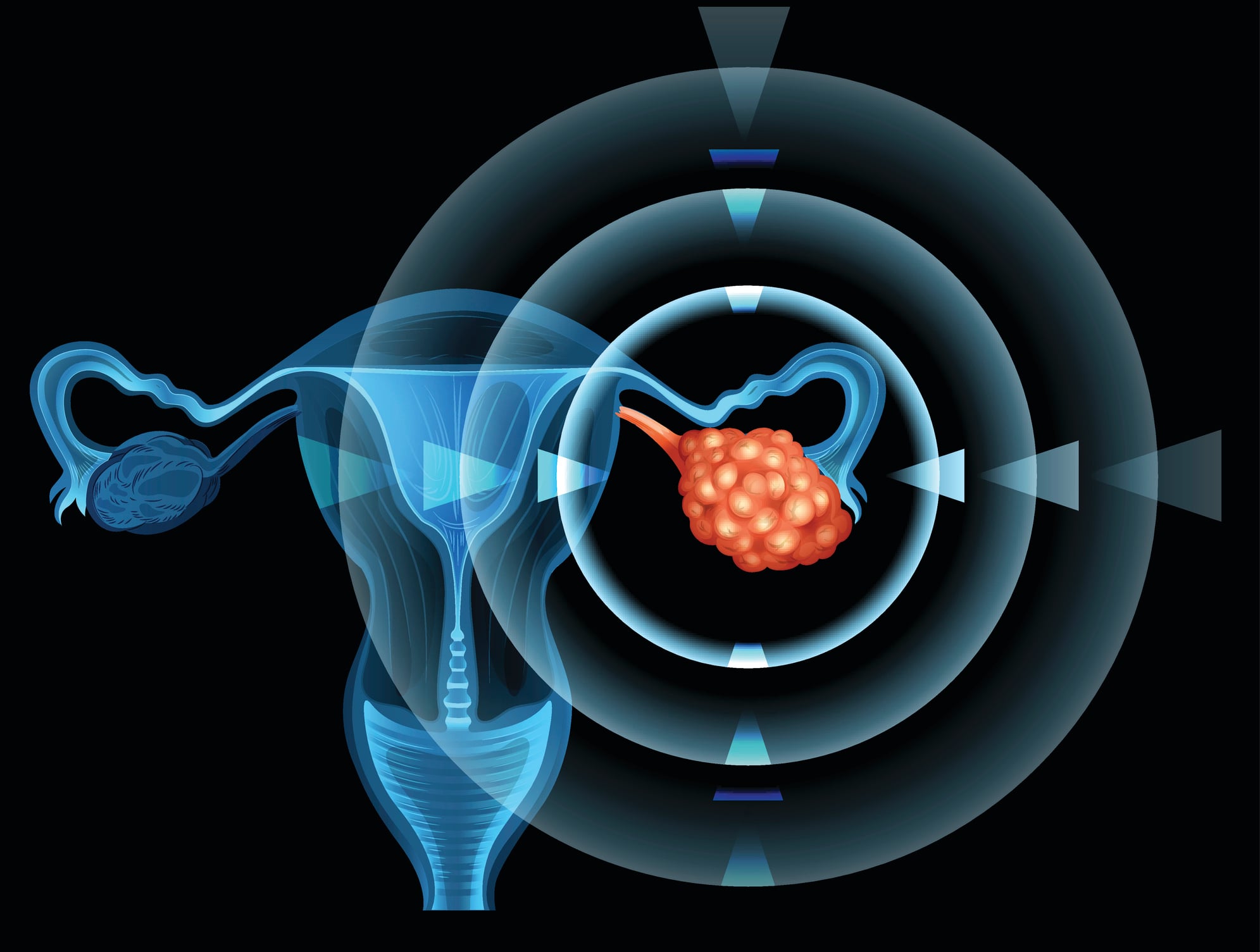
Ovarian cancer is the deadliest gynecological malignancy, and the reason for this lies less in the initial response to treatment than in the almost universal recurrence. A recent review from Hong Kong summarizes what is known about ovarian tumor stem cells—that rare and highly plastic subpopulation believed to be responsible for tumor initiation, peritoneal seeding, chemoresistance, and recurrence. The study is also worth reading because it explicitly identifies the limitations of the concept: The commonly used markers are enrichment tools rather than proof of identity, and clinical trials to date on stem cell-targeted agents have largely yielded negative results.
You May Also Like
- From symptom to diagnosis
Pulmonology – Lobus venae acygos
- Atopic Dermatitis: Precisely Targeting Immunological Targets
Interleukin blockade or OX40-(L) inhibition?
- Fibromyalgia Syndrome
Development, Diagnosis, Epidemiology, and Treatment of a Disease Entity
- Across All Types of Cancer
Four-Legged Medical Assistants – Therapy Dogs in Clinical Settings
- Obesity: More than half of those affected have fatty liver disease
From screening to multimodal intervention with GLP-1-RA or resmetirom
- Innovative Oral Treatment Options for Psoriasis: Icotrokinra and Zasocitinib
First-class immunomodulation combined with convenience—the data available so far is convincing
- Preclinical Study on a Special Ginkgo biloba Extract
What role do proanthocyanidins play?
- Myasthenia gravis: immunomodulatory therapies for long-term treatment