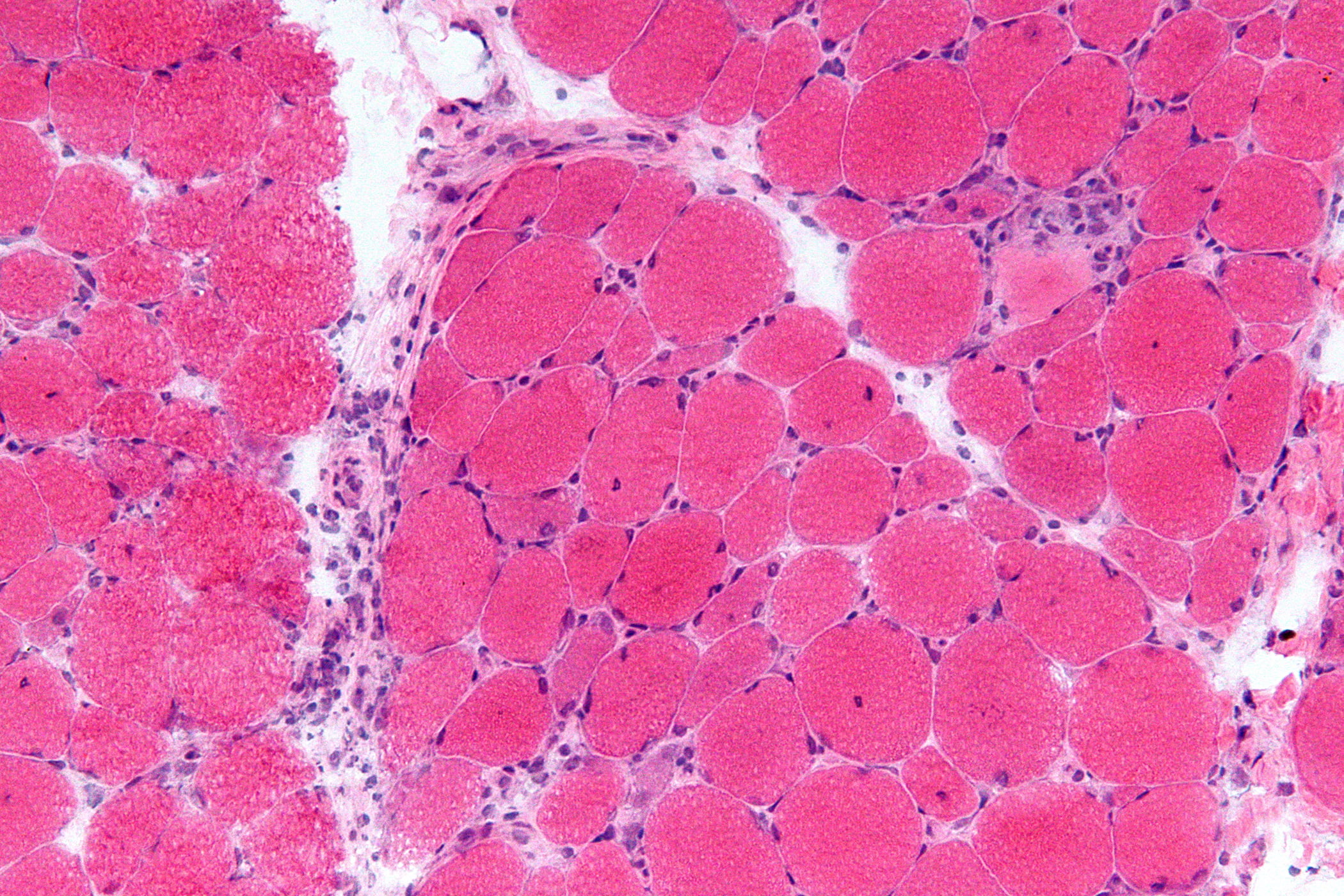
Parkinson’s disease and sarcopenia are two signs of ageing that mutually reinforce each other: While PD is characterized by the progressive loss of nigrostriatal dopamine neurons and abnormal α-synuclein deposits, sarcopenia marks the loss of muscle mass and strength with age. Clinical studies show that up to 20% of all PD patients also suffer from manifest sarcopenia. This coincidence significantly impairs mobility, balance and quality of life, increases the risk of falls and fractures and thus contributes significantly to morbidity and mortality. In order to break this vicious circle, a thorough understanding of the common pathogenetic mechanisms is essential.
Publikation
- InFo NEUROLOGIE & PSYCHIATRIE