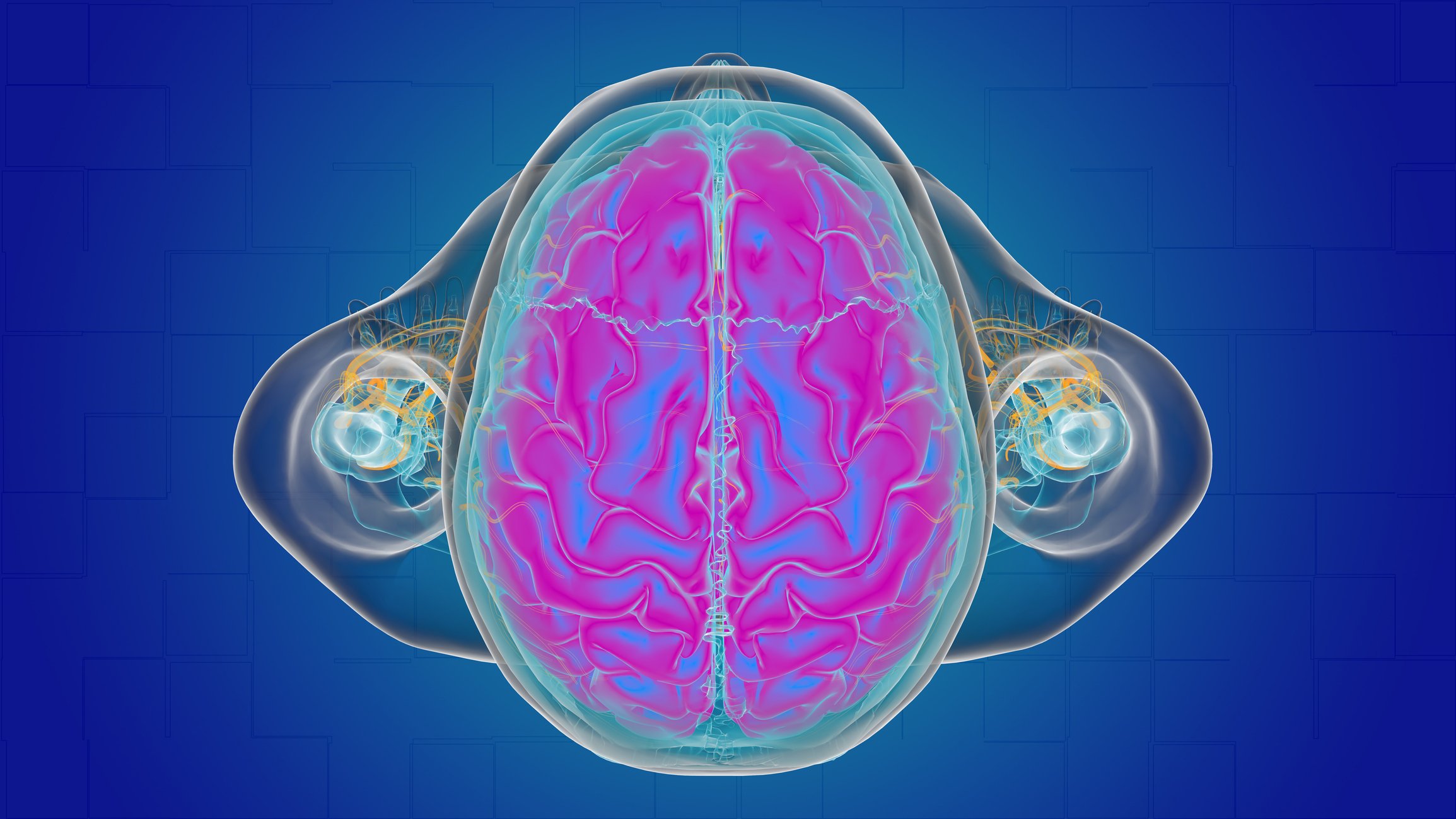
Sleep and circadian rhythm disorders (SCRDs) often occur as early comorbidities in neurodegenerative diseases such as Alzheimer’s disease (AD) and Parkinson’s disease (PD), often decades before typical symptoms appear. Sleep is central to brain health, as during slow-wave sleep (SWS) waste products such as amyloid beta (Aβ) and tau are removed via the glymphatic system. Pharmacological treatment of SCRDs must therefore be done carefully to avoid worsening the pathology.
Autoren
- Dr. Ulf Blanke
Publikation
- InFo NEUROLOGIE & PSYCHIATRIE

Related Topics
You May Also Like
- Sleep disorder
Sleep medicine in transition: new goals and a reassessment of old hypnotics
- Ginkgo biloba extract in the Alzheimer's mouse model
Effects on disease-associated microglia subpopulations
- "Patients W.A.I.T Indicator"
Access to medicines – how does Switzerland compare across Europe?
- Adherence in severe or poorly controlled asthma
Digital monitoring with potential for greater treatment adherence
- Crohn's disease and depression
Significant psychological stress for CD patients
- Epilepsy
Cannabidiol for refractory epilepsy syndromes
- Stomach cancer and Helicobacter pylori
A question of income?
- Prurigo nodularis and AD