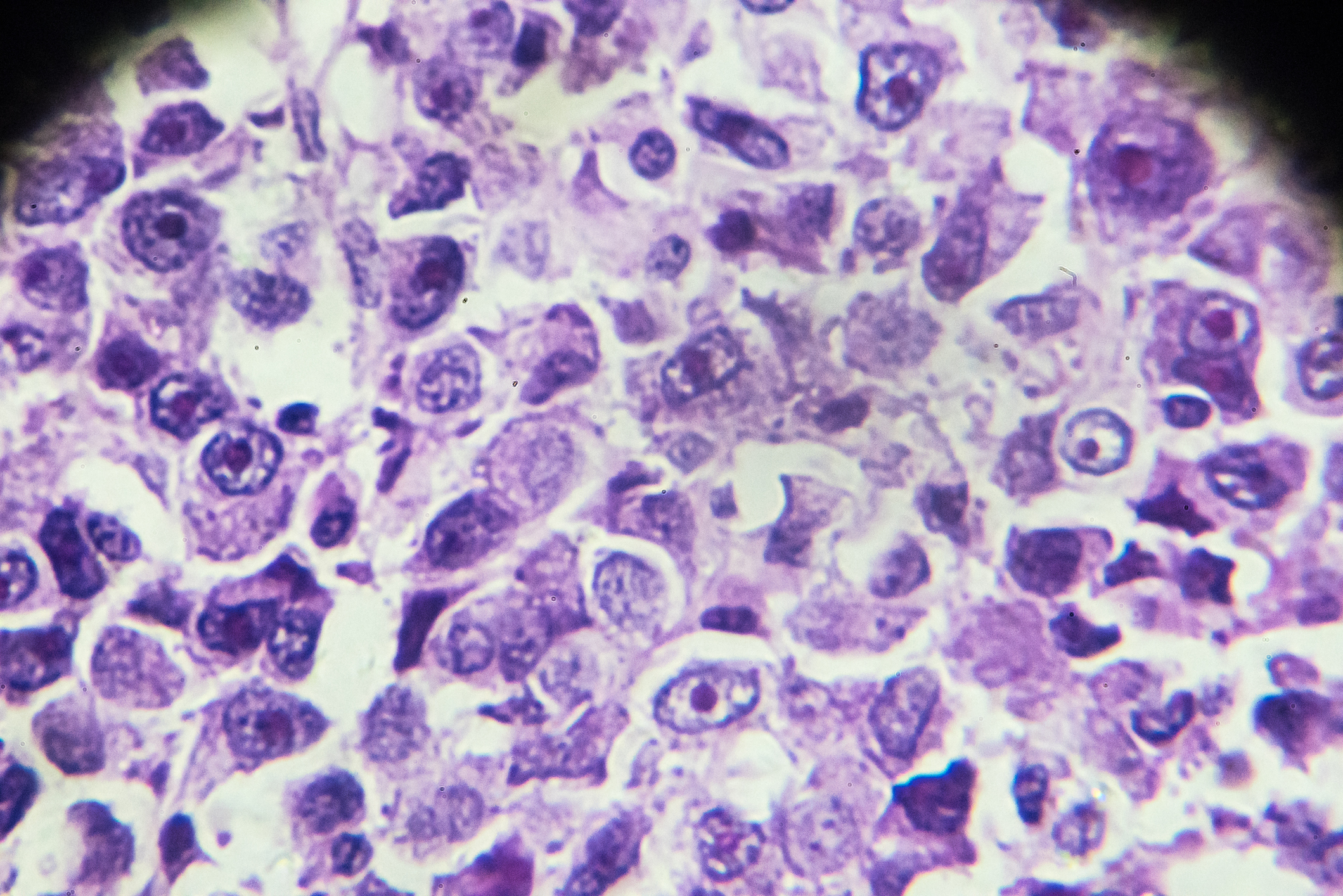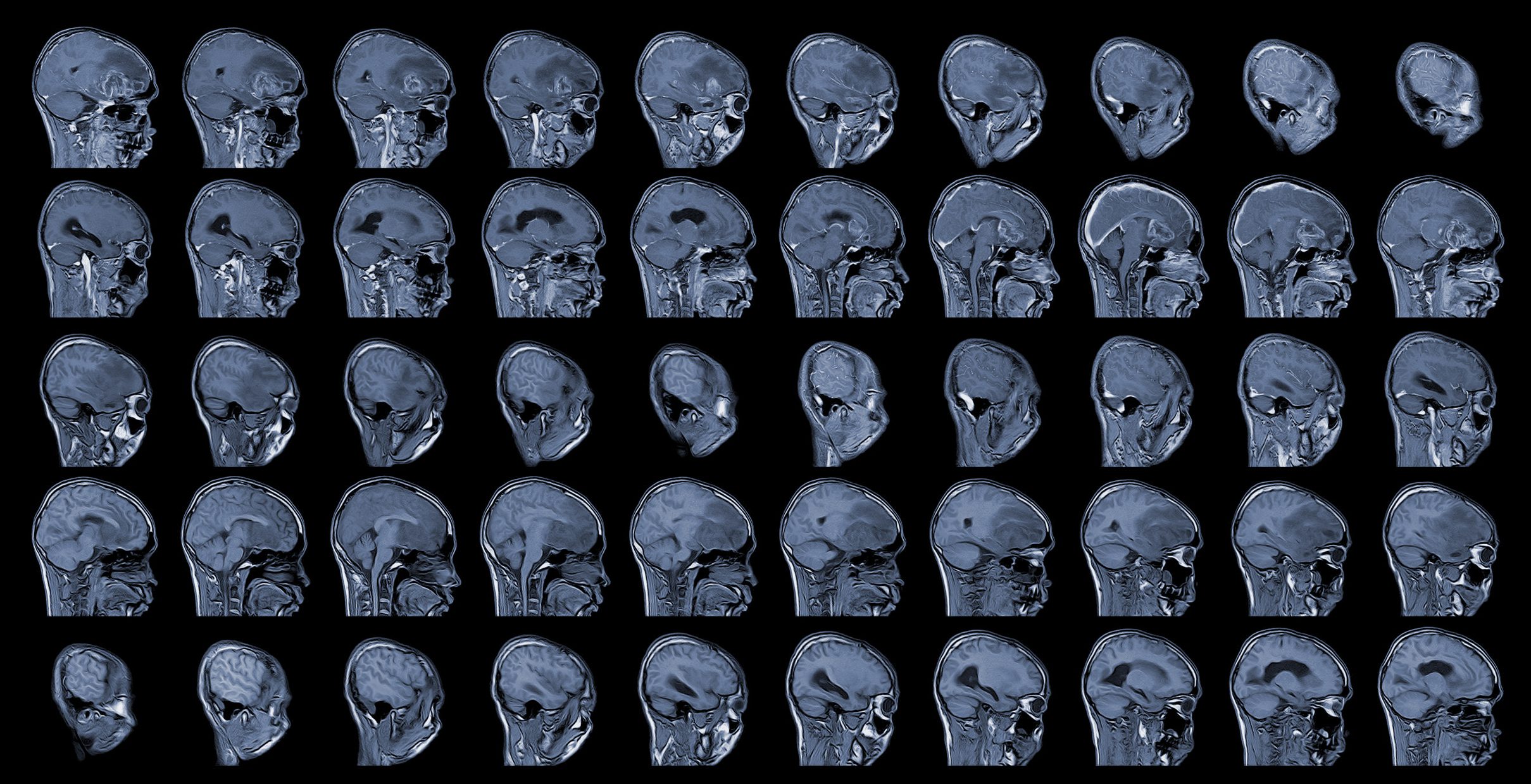
Glioblastomas (GBM) are among the most aggressive and therapy-resistant tumors of the central nervous system and present both clinicians and researchers with immense challenges. Despite significant advances in diagnostics and an improvement in standard therapy, which usually consists of surgical resection, subsequent radiotherapy and the administration of temozolomide, the survival prospects are still unsatisfactory. This is mainly due to the pronounced resistance, the complex tumor heterogeneity and the immunomodulating properties of glioblastoma cells and their microenvironment.
Publikation
- PHYTOTHERAPIE PRAXIS