Medizinonline Medizinonline
  • News
    • News
    • Market & Medicine
  • Patients
    • Disease patterns
    • Diagnostics
    • Therapy
  • Partner Content
    • Diabetes
      • Dia-Month Club – Type 2 Diabetes
      • Diabetes in Motion
      • Diabetes Podcasts
    • Gastroenterology
      • IBD matters
    • Oncology
      • Swiss Oncology in motion
    • Orthopedics
      • Osteoporosis in motion
  • Departments
    • Allergology and clinical immunology
    • General Internal Medicine
    • Anesthesiology
    • Angiology
    • Surgery
    • Dermatology and venereology
    • Endocrinology and Diabetology
    • Nutrition
    • Gastroenterology and Hepatology
    • Genetics
    • Geriatrics
    • Gynecology
    • Hematology
    • Infectiology
    • Cardiology
    • Nephrology
    • Neurology
    • Emergency and intensive care medicine
    • Nuclear Medicine
    • Oncology
    • Ophthalmology
    • ORL
    • Orthopedics
    • Pediatrics
    • Pharmacology and toxicology
    • Pharmaceutical medicine
    • Phlebology
    • Physical medicine and rehabilitation
    • Pneumology
    • Prevention and health care
    • Psychiatry and psychotherapy
    • Radiology
    • Forensic Medicine
    • Rheumatology
    • Sports Medicine
    • Traumatology and trauma surgery
    • Tropical and travel medicine
    • Urology
    • Dentistry
  • CME & Congresses
    • CME continuing education
    • Congress Reports
    • Congress calendar
  • Practice
    • Noctimed
    • Practice Management
    • Jobs
    • Interviews
  • Log In
  • Register
  • My account
  • Contact
  • Publications
  • Contact
  • Deutsch
  • English
  • Français
  • Italiano
  • Português
  • Español
Subscribe
Medizinonline Medizinonline
  • News
    • News
    • Market & Medicine
  • Patienten
    • Krankheitsbilder
    • Diagnostik
    • Therapie
  • Partner Content
    • Diabetes
      • Dia-Month Club – Type 2 Diabetes
      • Diabetes in Motion
      • Diabetes Podcasts
    • Gastroenterology
      • IBD matters
    • Oncology
      • Swiss Oncology in motion
    • Orthopedics
      • Osteoporosis in motion
    • Phytotherapie
    • Rheumatology
  • Departments
    • Fachbereiche 1-13
      • Allergology and clinical immunology
      • General Internal Medicine
      • Anesthesiology
      • Angiology
      • Surgery
      • Dermatology and venereology
      • Endocrinology and Diabetology
      • Nutrition
      • Gastroenterology and Hepatology
      • Genetics
      • Geriatrics
      • Gynecology
      • Hematology
    • Fachbereiche 14-26
      • Infectiology
      • Cardiology
      • Nephrology
      • Neurology
      • Emergency and intensive care medicine
      • Nuclear Medicine
      • Oncology
      • Ophthalmology
      • ORL
      • Orthopedics
      • Pediatrics
      • Pharmacology and toxicology
      • Pharmaceutical medicine
    • Fachbereiche 26-38
      • Phlebology
      • Physical medicine and rehabilitation
      • Phytotherapy
      • Pneumology
      • Prevention and health care
      • Psychiatry and psychotherapy
      • Radiology
      • Forensic Medicine
      • Rheumatology
      • Sports Medicine
      • Traumatology and trauma surgery
      • Tropical and travel medicine
      • Urology
      • Dentistry
  • CME & Congresses
    • CME continuing education
    • Congress Reports
    • Congress calendar
  • Practice
    • Noctimed
    • Practice Management
    • Jobs
    • Interviews
Login

Sie haben noch keinen Account? Registrieren

  • Large tumor - large access?

The keyhole concept in minimally invasive neurosurgery

    • Cases
    • Neurology
    • RX
    • Surgery
  • 2 minute read

Case report: The 56-year-old patient had been suffering from headache and nausea and increasing psychomotor slowing for three months. Clinically, he presented with left facial nerve mouth branch weakness, left arm mild hemiparesis, and left neglect. Singultus was seen as a sign of increased intracranial pressure. An imaging workup was initiated by the primary care physician, which revealed a large right temporal space mass.

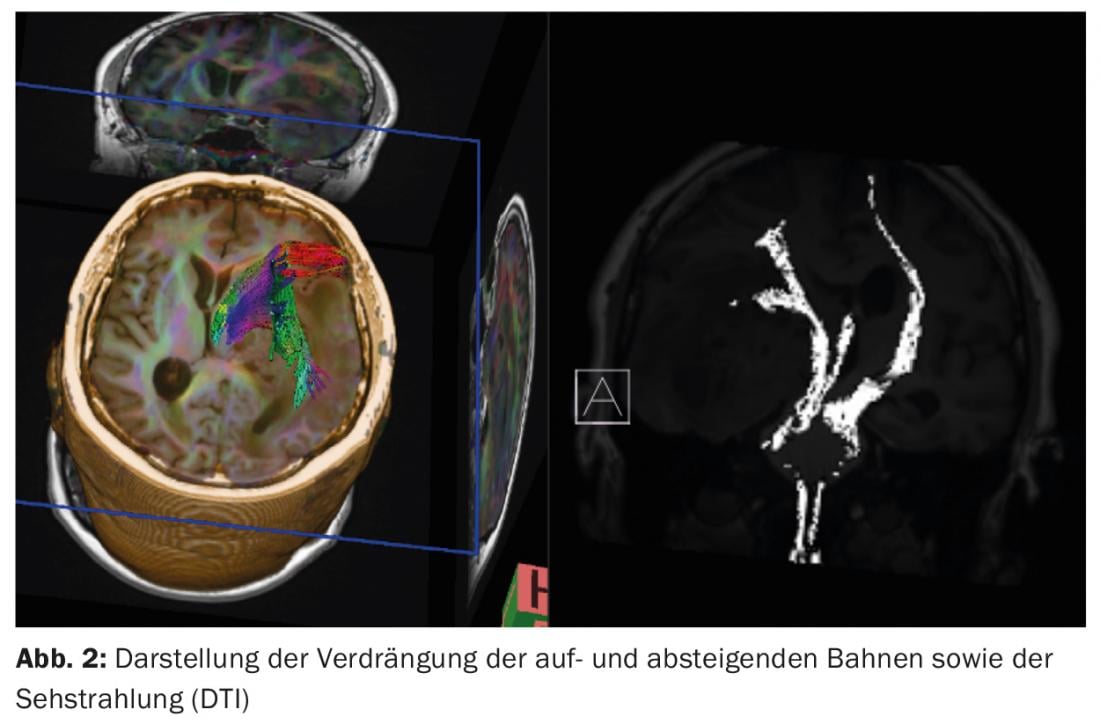
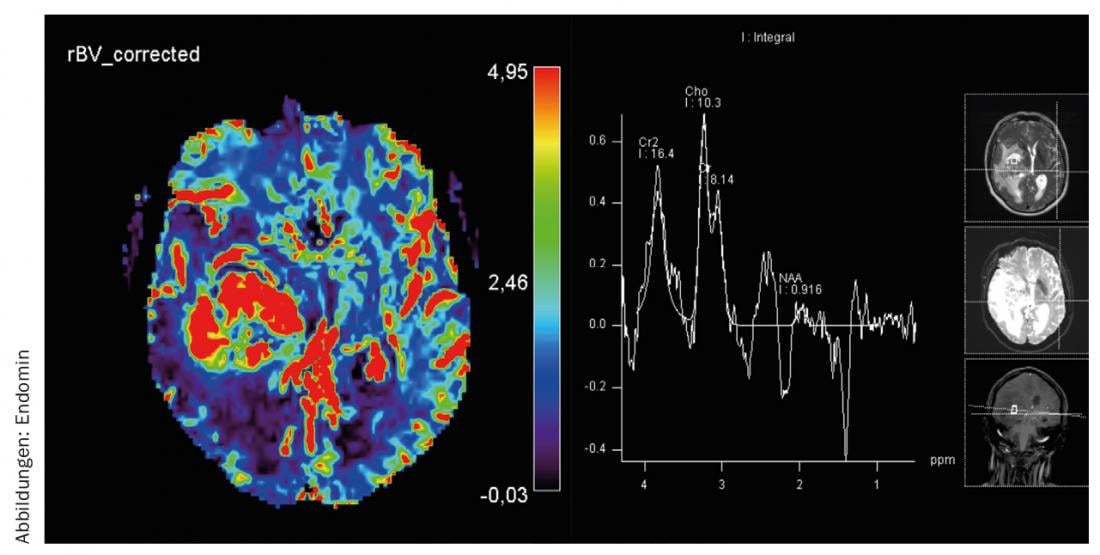
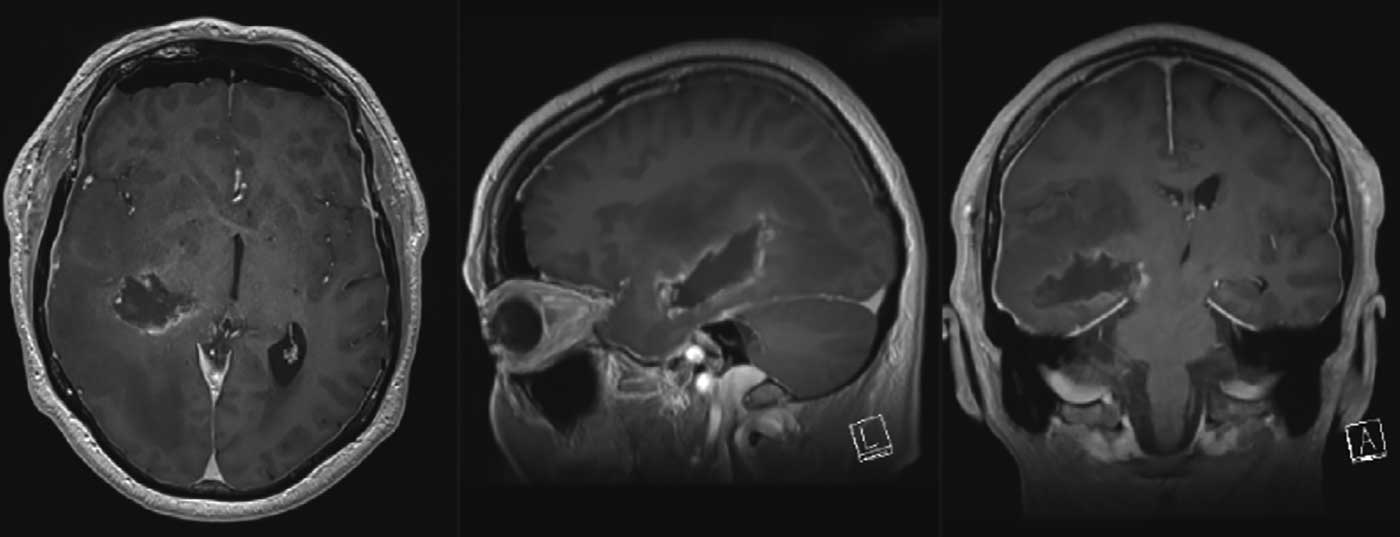
MRI diagnosis: a 60×45×40 mm inhomogeneous mass with solid and cystic portions receiving contrast at the margins is seen. Additionally, a large perifocal edema is seen. According to the centerline shift of 12 mm, the pyramid trajectory is strongly shifted to the left. The tumor reaches the thalamus and midbrain, which are also compressed and displaced. 1H spectroscopy and MR perfusion support the presence of malignant glioma (Figs. 1-3).


Surgery: anti-edematous therapy with dexamethasone 16 mg/d was started at hospitalization. The patient is positioned on the back, the head is fixed rotated to the left, and an intraoperative MRI is obtained (Fig. 4) .
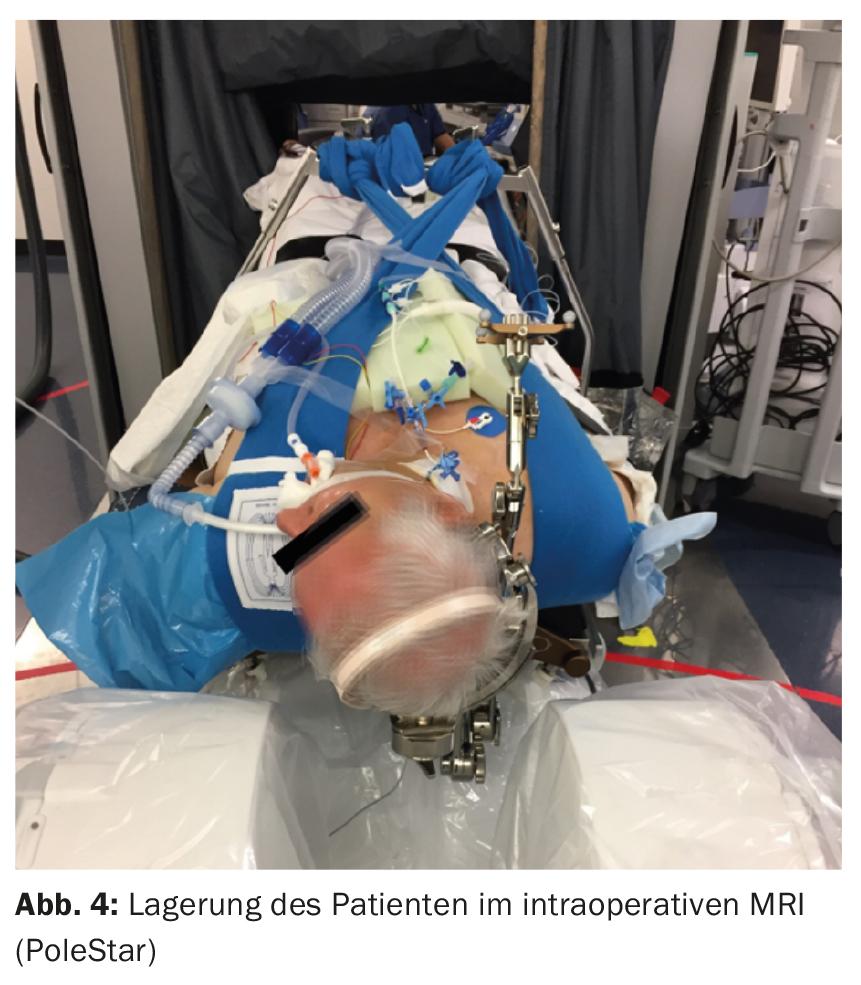


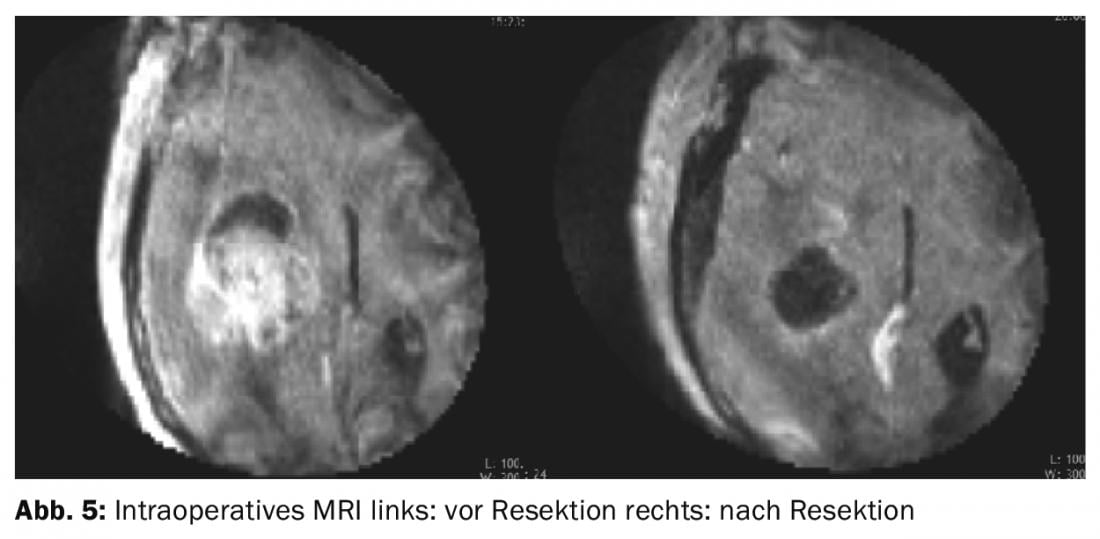
Multimodal intraoperative neuromonitoring with SEP, EEG, and transcortical motor stimulation is established to monitor the descending and ascending pathways. A small, 2×2 cm temporobasal craniotomy is intentionally created to prevent herniation of brain tissue through the skull opening. The surgical microscope is now used to dissect transcortically in the direction of the tumor. After relieving multiple tumor cysts, sufficient space can be obtained to identify the boundary between tumor and healthy brain tissue and perform resection along it. Areas of the resection cavity not visible through the microscope are not visualized by retraction of healthy brain tissue, but are inspected with the endoscope and pathologic tissue is removed in an endoscopically controlled manner. Contrast-enhanced intraoperative MRI demonstrates complete resection of all contrast-absorbing tumor at the end of surgery (Fig. 5).


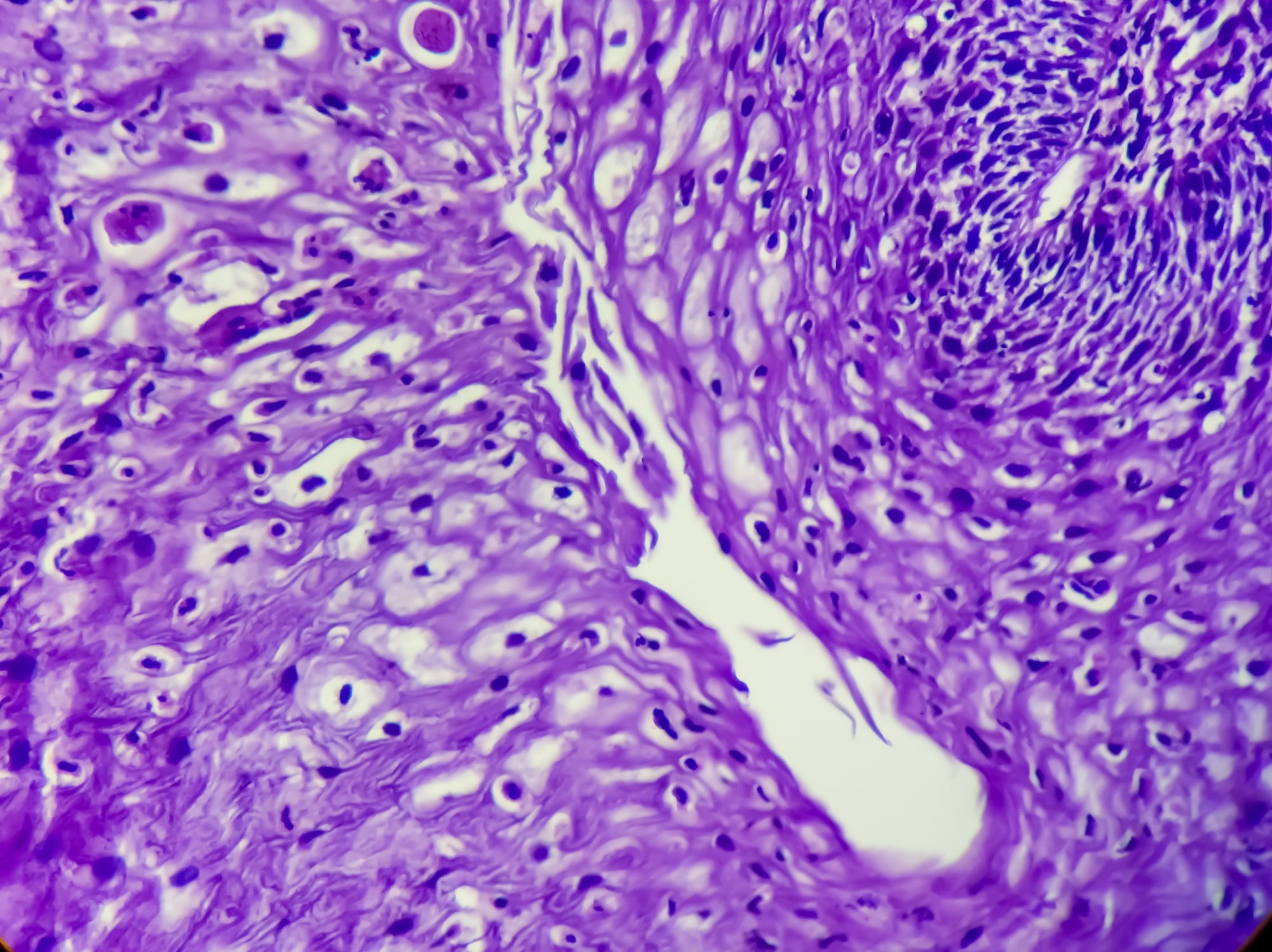
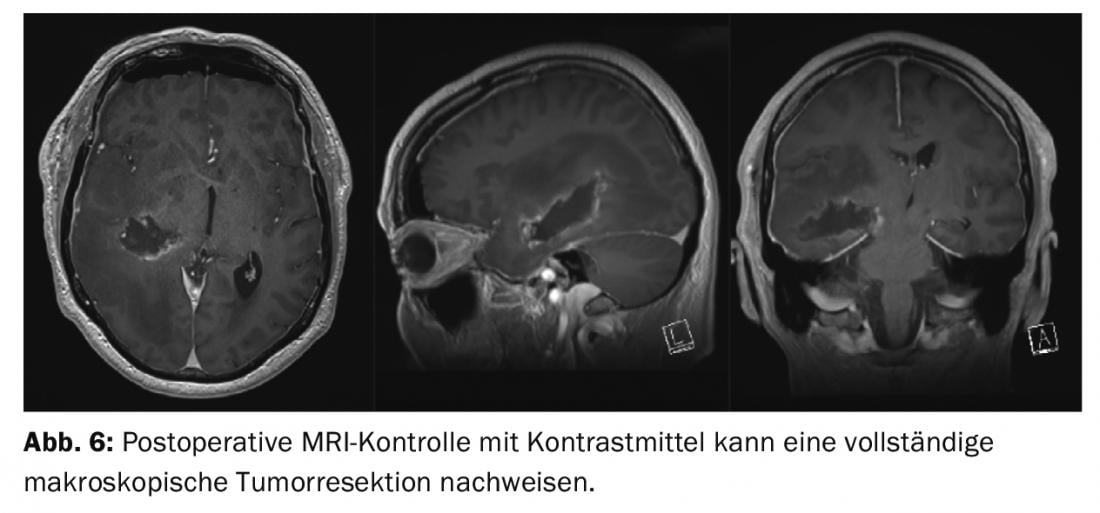
Postoperative course: The patient was extubated without problems and showed no new focal neurological deficits. As the patient progressed, psychomotor slowing and hemiparesis improved significantly. Neuropathologic workup revealed a WHO IV° glioblastoma. The patient was able to discharge home after four days and is receiving combined radio-chemotherapy with Temodal as an outpatient (Fig. 6).


CONCLUSION: Large space-occupying lesions are frequently resected via extended craniotomies, with corresponding access-related injury to healthy tissue. However, deep-seated tumors are predestined for a minimally invasive surgical approach (Fig. 7) .
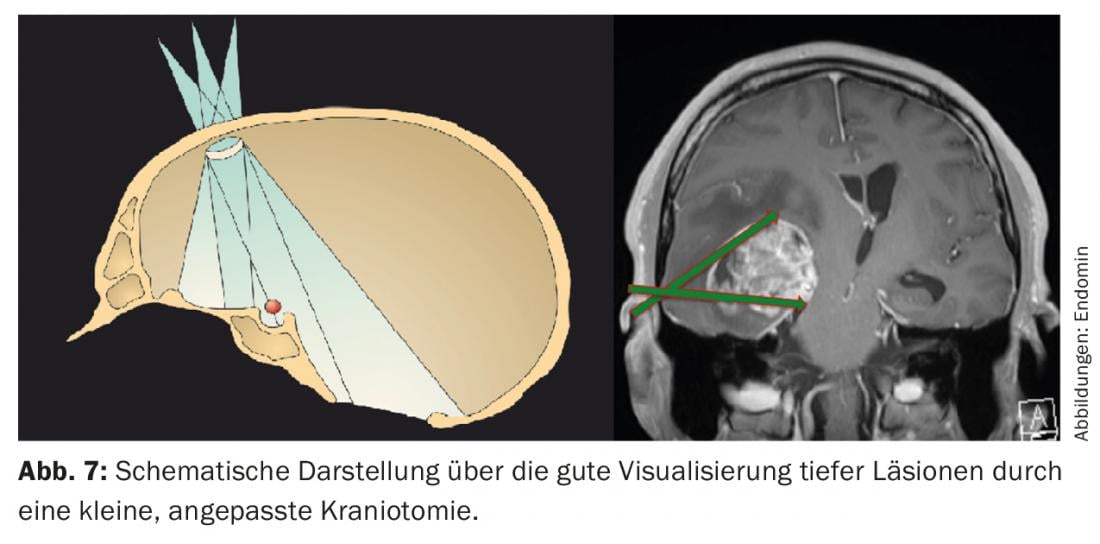


Consistent use of neuronavigation, intraoperative endoscopy, neurophysiologic monitoring, and intraoperative MRI allow for maximum surgical radicality while minimizing surgical trauma through a small keyhole craniotomy. Thus, functionally intact brain tissue in the area of the access and around the lesion is spared and not affected.


InFo NEUROLOGY & PSYCHIATRY 2017; 15(1): 30-31.

Autoren
  • Dr. med. Peter Prömmel
  • Dr. med. Anne-Katrin Hickmann
  • Prof. Dr. med. Robert Reisch
  • Dr. med. Kiriaki Kollia
  • Prof. Dr. med. Stephan G. Wetzel
Publikation
  • InFo NEUROLOGIE & PSYCHIATRIE
Related Topics
  • Glioblastoma
  • MRI
  • Neglect
  • singultus
Previous Article
  • Sport in the growing age

A child is not a miniature adult

  • General Internal Medicine
  • News
  • Pediatrics
  • RX
  • Sports Medicine
View Post
Next Article
  • Care of epilepsy patients

An EMU for the Epilepsy Center of Eastern Switzerland

  • Congress Reports
  • Neurology
  • News
  • RX
View Post
You May Also Like
View Post
  • 6 min
  • Schizophrenia in the early-onset stage

Which antipsychotic should be used for treatment-naive patients?

    • RX
    • Education
    • Pharmacology and toxicology
    • Psychiatry and psychotherapy
    • Studies
View Post
  • 4 min
  • Diarrhea in children

The problem of parental expectations

    • RX
    • Education
    • Gastroenterology and Hepatology
    • General Internal Medicine
    • Infectiology
    • Pediatrics
    • Studies
View Post
  • 4 min
  • From symptom to diagnosis

Multilocular cystic renal cell carcinoma (MCRCC)

    • RX
    • Cases
    • Education
    • Nephrology
    • Oncology
    • Radiology
    • Studies
    • Surgery
View Post
  • 3 min
  • Shaping the Future with LLM & Co.

AI in Everyday Clinical Practice: Friend or Foe?

    • RX
    • General Internal Medicine
    • Practice Management
    • Prevention and health care
View Post
  • 5 min
  • Ulcerative colitis: current evidence on anti-inflammatory therapies

Remission induction and maintenance with biologics and JAK-i

    • RX
    • Congress Reports
    • Gastroenterology and Hepatology
    • General Internal Medicine
    • Studies
View Post
  • 4 min
  • Bronchiectasis

New strategies against neutrophilic inflammation

    • RX
    • Congress Reports
    • General Internal Medicine
    • Infectiology
    • Pneumology
    • Studies
View Post
  • 3 min
  • IBD in childhood

Pneumococcal vaccination without negative consequences

    • RX
    • Education
    • Gastroenterology and Hepatology
    • General Internal Medicine
    • Infectiology
    • Pediatrics
    • Prevention and health care
View Post
  • 14 min
  • Seborrheic Dermatitis in Adults and Adolescents

Current State of Knowledge and New Therapeutic Approaches

    • RX
    • CME continuing education
    • Dermatology and venereology
    • Studies
  • IBD matters

    Zum Thema
Top CME content
  • 1
    Current State of Knowledge and New Therapeutic Approaches
  • 2
    Why is it so hard to lose weight?
  • 3
    Functional limb preservation between infection control, vascular medicine and resurfacing
  • 4
    Algorithms, avatars and the unburdened mind
  • 5
    Communication as the key to therapy adherence

Newsletter

Sign up and stay up to date

Subscribe
Medizinonline Medizinonline
  • Contact
  • General terms and conditions
  • Imprint

Input your search keywords and press Enter.