Medizinonline Medizinonline
  • News
    • News
    • Market & Medicine
  • Patients
    • Disease patterns
    • Diagnostics
    • Therapy
  • Partner Content
    • Diabetes
      • Dia-Month Club – Type 2 Diabetes
      • Diabetes in Motion
    • Gastroenterology
      • IBD matters
    • Oncology
      • Swiss Oncology in motion
    • Orthopedics
      • Osteoporosis in motion
  • Departments
    • Allergology and clinical immunology
    • General Internal Medicine
    • Anesthesiology
    • Angiology
    • Surgery
    • Dermatology and venereology
    • Endocrinology and Diabetology
    • Nutrition
    • Gastroenterology and Hepatology
    • Genetics
    • Geriatrics
    • Gynecology
    • Hematology
    • Infectiology
    • Cardiology
    • Nephrology
    • Neurology
    • Emergency and intensive care medicine
    • Nuclear Medicine
    • Oncology
    • Ophthalmology
    • ORL
    • Orthopedics
    • Pediatrics
    • Pharmacology and toxicology
    • Pharmaceutical medicine
    • Phlebology
    • Physical medicine and rehabilitation
    • Pneumology
    • Prevention and health care
    • Psychiatry and psychotherapy
    • Radiology
    • Forensic Medicine
    • Rheumatology
    • Sports Medicine
    • Traumatology and trauma surgery
    • Tropical and travel medicine
    • Urology
    • Dentistry
  • CME & Congresses
    • CME continuing education
    • Congress Reports
    • Congress calendar
  • Practice
    • Noctimed
    • Practice Management
    • Jobs
    • Interviews
  • Log In
  • Register
  • My account
  • Contact
  • Publications
  • Contact
  • Deutsch
  • English
  • Français
  • Italiano
  • Português
  • Español
Subscribe
Medizinonline Medizinonline
  • News
    • News
    • Market & Medicine
  • Patienten
    • Krankheitsbilder
    • Diagnostik
    • Therapie
  • Partner Content
    • Diabetes
      • Dia-Month Club – Type 2 Diabetes
      • Diabetes in Motion
    • Gastroenterology
      • IBD matters
    • Oncology
      • Swiss Oncology in motion
    • Orthopedics
      • Osteoporosis in motion
    • Phytotherapie
    • Rheumatology
  • Departments
    • Fachbereiche 1-13
      • Allergology and clinical immunology
      • General Internal Medicine
      • Anesthesiology
      • Angiology
      • Surgery
      • Dermatology and venereology
      • Endocrinology and Diabetology
      • Nutrition
      • Gastroenterology and Hepatology
      • Genetics
      • Geriatrics
      • Gynecology
      • Hematology
    • Fachbereiche 14-26
      • Infectiology
      • Cardiology
      • Nephrology
      • Neurology
      • Emergency and intensive care medicine
      • Nuclear Medicine
      • Oncology
      • Ophthalmology
      • ORL
      • Orthopedics
      • Pediatrics
      • Pharmacology and toxicology
      • Pharmaceutical medicine
    • Fachbereiche 26-38
      • Phlebology
      • Physical medicine and rehabilitation
      • Phytotherapy
      • Pneumology
      • Prevention and health care
      • Psychiatry and psychotherapy
      • Radiology
      • Forensic Medicine
      • Rheumatology
      • Sports Medicine
      • Traumatology and trauma surgery
      • Tropical and travel medicine
      • Urology
      • Dentistry
  • CME & Congresses
    • CME continuing education
    • Congress Reports
    • Congress calendar
  • Practice
    • Noctimed
    • Practice Management
    • Jobs
    • Interviews
Login

Sie haben noch keinen Account? Registrieren

  • COPD

Treating patients with chronic lung disease optimally

    • Pneumology
    • RX
  • 3 minute read

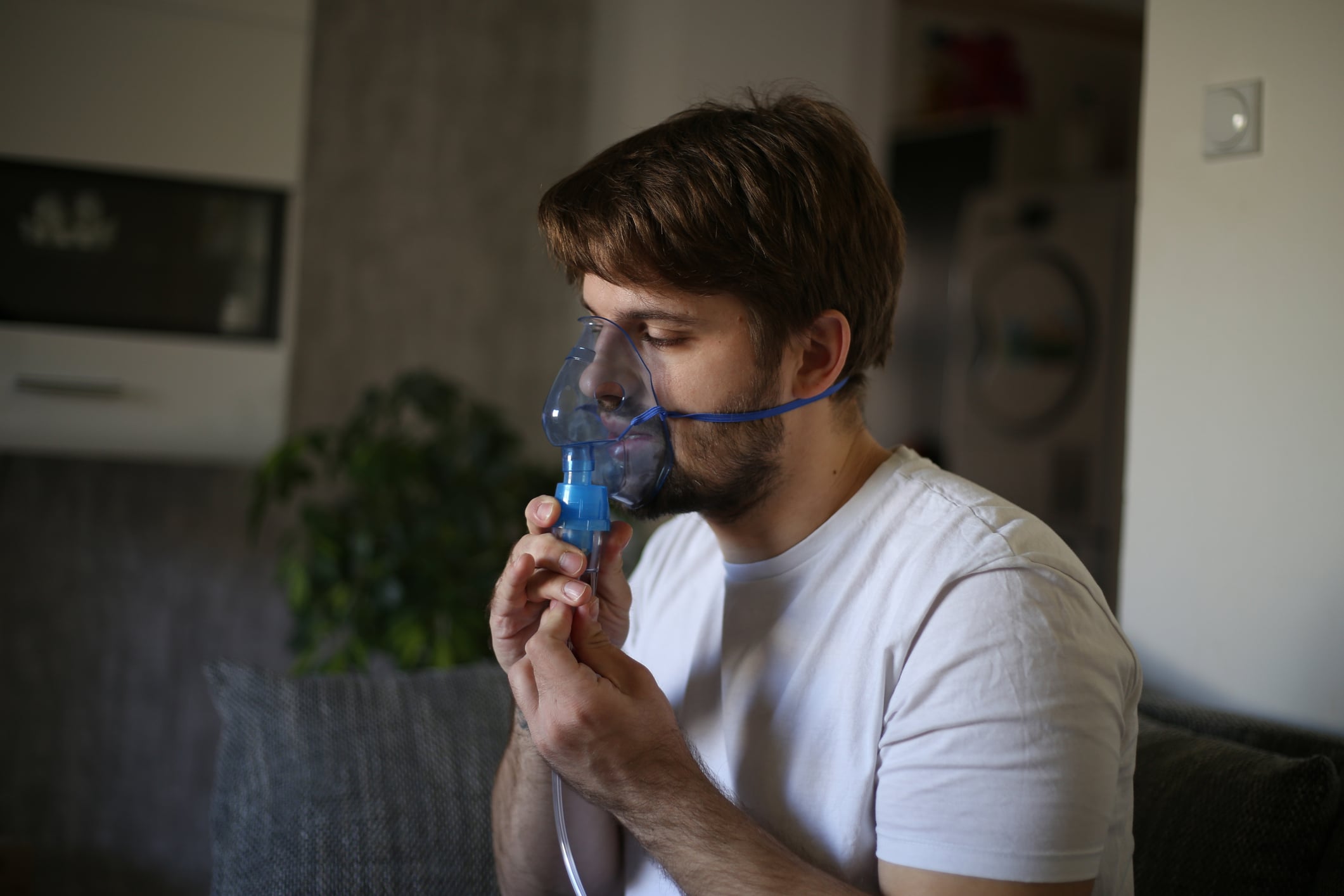
Patients with the lung disease COPD receive medications to improve breathing ability combined with corticosteroids, which reduce the risk of acute lung deterioration. The balance between this reduction and the increase in harmful side effects depends on dosage and patient characteristics, as researchers at the University of Zurich have now shown. Thanks to the findings, COPD sufferers can be treated more specifically.

Patients with chronic obstructive pulmonary disease (COPD) suffer from permanent narrowing of the airways, which makes breathing difficult. The narrowing is caused by inflammation of the small airways, which leads to mucus production and destroys lung tissue. Inhaled corticosteroids are usually used in combination with long-acting bronchodilators to prevent acute worsening of the lung condition in COPD patients. While corticosteroids reduce inflammation or worsening of the condition, bronchodilators improve breathing by dilating the bronchi.

Benefit of corticosteroids depends on three main factors

The use of corticosteroids in the very heterogeneous group of COPD patients has been debated for years. Although guidelines suggest a personalized treatment approach. But these remain quite vague, as it is unclear for whom the benefits outweigh the harmful side effects. A study led by Henock Yebyo, a postdoctoral researcher at the Institute of Epidemiology, Biostatistics and Prevention at the University of Zurich (UZH), now sheds light on this question. “Our results show that three main factors influence the balance between treatment benefits and side effects of different doses of corticosteroids: the risk of acute exacerbation, the amount of certain blood cells, and the patient’s age,” said first author Yebyo.

Systematic consideration of treatment and patient characteristics

The researchers considered numerous characteristics of therapies and patients that have an impact on the risk-benefit ratio. They performed extensive statistical analyses to calculate how high the risk of acute exacerbations would have to be in patients for the benefits of reducing that risk to outweigh the side effects: severe pneumonia, fungal infection of the oral mucosa, and hoarseness. They found that patients do not benefit from low-to-moderate-dose corticosteroids if their risk of experiencing an acute exacerbation in the next two years is less than 32 percent. Which is typically those patients whose lung condition has been stable in the past.

Guidelines have not yet addressed corticosteroid dosing. The UZH study now clearly shows that high doses are associated with significant side effects that do not justify the benefits. Patients over 80 years of age are also unlikely to benefit from therapy because their risk of developing pneumonia is higher than the reduction in acute exacerbation. In contrast, patients with larger amounts of certain blood cells typical for asthma – so-called eosinophils – are more likely to benefit. 

Systematic approach enables more individualized treatments

When the researchers reviewed their findings using data from two groups of patients from Switzerland and the Netherlands, they found that some patients are overtreated with corticosteroids while others are undertreated. “Our results do not necessarily lead to less corticosteroid use. But they do help minimize overuse and underuse by tailoring therapy in terms of dosage and patient characteristics,” explains Henock Yebyo.


Source:

Yebyo HG, Braun J, Menges D, Riet Gt, Sadatsafavi M, Puhan MA. Personalising add-on treatment with inhaled corticosteroids in patients with chronic obstructive pulmonary disease: a benefit-harm modelling study. Lancet Digital Health. 25 August 2021. DOI: 10.1016/S2589-7500(21)00130-8


Previous Article
  • Modern treatment of type 2 diabetes

Combine metformin with new substance classes at an early stage

  • Congress Reports
  • Endocrinology and Diabetology
  • General Internal Medicine
  • Partner Content
  • RX
  • Studies
View Post
Next Article
  • New molecular mechanism of IPF pathogenesis discovered.

miRNA-506 quaking axis regulates associated gene networks.

  • Pneumology
  • RX
View Post
You May Also Like
View Post
  • 8 min
  • Hyperhidrosis: Keep a Cool Head

An Overview of Important Treatment Options

    • RX
    • Dermatology and venereology
    • Education
    • General Internal Medicine
    • Pharmacology and toxicology
    • Studies
View Post
  • 6 min
  • This article was sponsored by Johnson & Johnson.

Give your patients a chance to live longer without progression with TECVAYLI® + DARZALEX® compared to DPd/DVd1

    • RX
    • Hematology
    • Oncology
    • Partner Content
    • Studies
View Post
  • 6 min
  • Sjögren's Syndrome in Early Childhood

Children often develop lymphomas

    • RX
    • Education
    • Pediatrics
    • Rheumatology
    • Studies
View Post
  • 12 min
  • Multidrug-Resistant Pathogens in Wound Care

An Enemy in the Microbiome?

    • Dermatology and venereology
    • CME continuing education
    • Infectiology
    • Physical medicine and rehabilitation
    • Prevention and health care
    • RX
    • Surgery
View Post
  • 14 min
  • Rare Genodermatoses: From Diagnosis to Treatment

Darier’s Disease, also known as Follicular Keratosis – Update 2026

    • CME continuing education
    • Cases
    • Dermatology and venereology
    • Pharmacology and toxicology
    • RX
    • Studies
View Post
  • 9 min
  • Psychedelic-assisted therapy

Current status of PAT

    • RX
    • CME continuing education
    • General Internal Medicine
    • Pharmacology and toxicology
    • Psychiatry and psychotherapy
    • Studies
View Post
  • 7 min
  • Osgood-Schlatter Disease

Clinical Presentation, Diagnosis, and Treatment

    • RX
    • Cases
    • Education
    • Orthopedics
    • Pediatrics
View Post
  • 4 min
  • Cardiovascular Risk in Rheumatoid Arthritis

What is the most dangerous thing for RA?

    • RX
    • Cardiology
    • Education
    • General Internal Medicine
    • Rheumatology
    • Studies
  • IBD matters

    Zum Thema
Top CME content
  • 1
    Darier’s Disease, also known as Follicular Keratosis – Update 2026
  • 2
    An Enemy in the Microbiome?
  • 3
    Evidence-Based Neuromodulation Based on Clinical Trials and Real-World Data
  • 4
    Current status of PAT
  • 5
    Development, Diagnosis, Epidemiology, and Treatment of a Disease Entity

Newsletter

Sign up and stay up to date

Subscribe
Medizinonline Medizinonline
  • Contact
  • General terms and conditions
  • Imprint

Input your search keywords and press Enter.