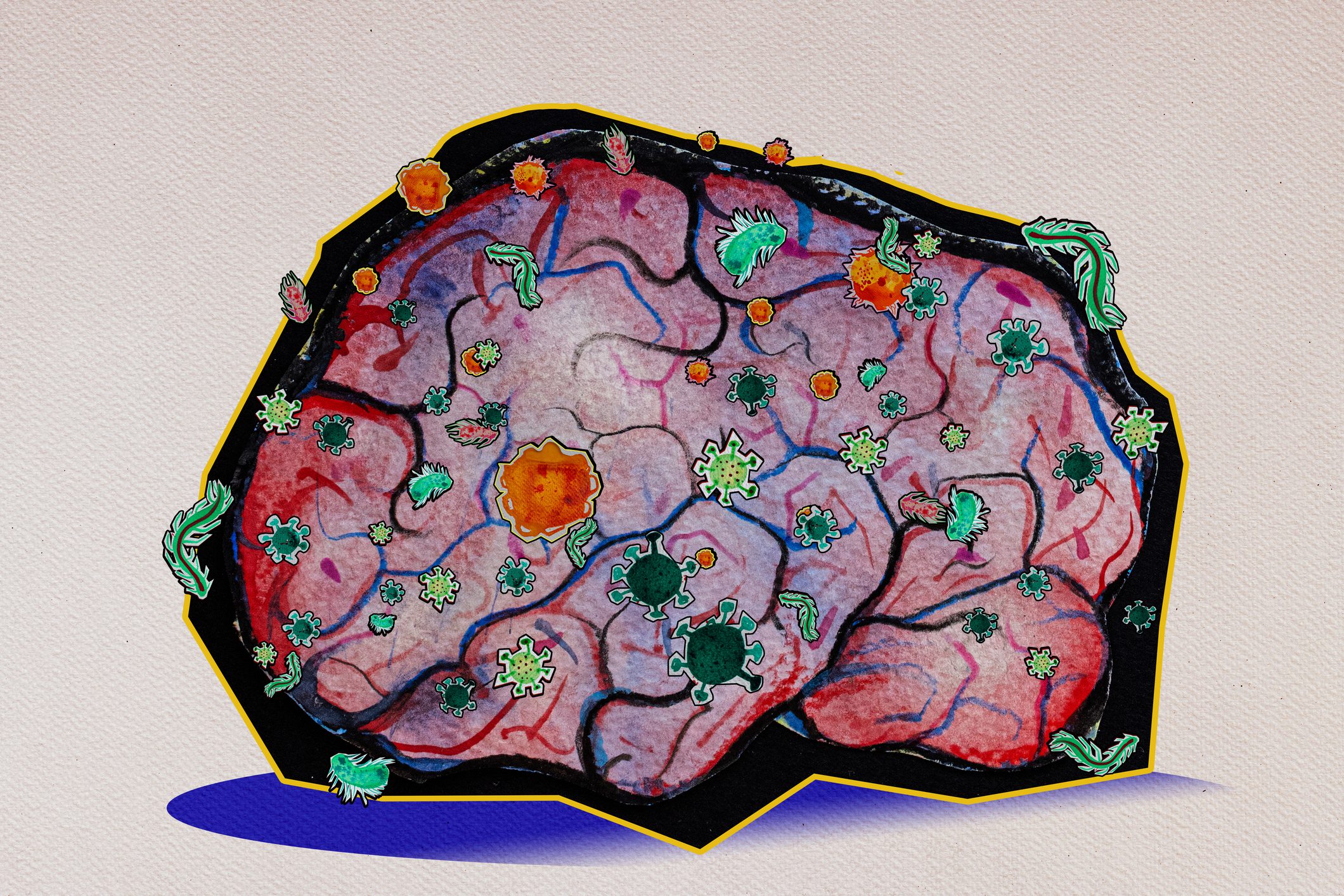
Infectious strokes are rarer than those caused by classic vascular risk factors, but play a significant role, particularly in resource-poor regions. Bacterial, viral, fungal and parasitic pathogens can directly damage blood vessels or lead to cerebral infarctions and hemorrhages via systemic inflammatory and coagulation mechanisms.
Autoren
- Tanja Schliebe
Publikation
- InFo NEUROLOGIE & PSYCHIATRIE
Related Topics
You May Also Like
- Hidradenitis suppurativa: biologics reduce inflammatory processes
Treatment recommendations depend on the severity and inflammatory activity
- Dizziness as a leading symptom: new consensus paper
Current recommendations for handling in everyday practice
- Endometrial carcinoma, malignant melanoma and NSCLC in focus
Personalized mRNA and neoantigen vaccines in oncology
- Consequences for pathophysiology, clinic and therapy
The inflammatory subgroup of major depression
- Adherence of GLP1-RA
Half of patients discontinue treatment within a year
- RSV infection in adult patients at risk
Vaccination as a simple and sensible prophylaxis
- A case-based, practical overview from Canada
Vaccinations for heart patients
- Acne treatment: current trends